Taxation in Sri Lanka
Introduction to Taxation
The Purpose of Taxes
At its core, a tax is a compulsory financial charge imposed by a government on an individual or a company. Think of it as a subscription fee for living in a civilized society. The government collects these fees to fund public services that benefit everyone. This includes everything from building roads and bridges to paying for schools, hospitals, and national defense.
Taxation is the primary way governments raise revenue to pay for public goods and services.
Without taxes, the government wouldn't have the funds to operate. These services, often called public goods, are things that are difficult for the private market to provide efficiently. For example, it wouldn't make sense for a private company to build a road and then try to charge every single car that uses it. It's much more efficient for the government to provide the road and fund it through taxes collected from the public.
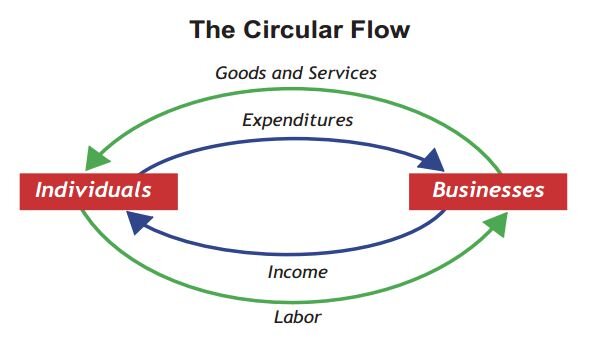
This collection and spending process is a key part of the economy. Money flows from households and businesses to the government in the form of taxes, and then flows back into the economy as government spending on goods, services, and employee salaries.
Beyond just funding services, taxes can also be used to influence behavior. A high tax on sugary drinks, for instance, might encourage people to choose healthier options. Similarly, tax breaks for businesses that invest in green energy can promote environmentally friendly practices.
Principles of Good Taxation
What makes a tax system fair and effective? Economists generally point to a few key principles. A good tax system should be equitable, efficient, and easy to understand.
Equity means fairness. But fairness can be defined in two ways:
- Horizontal Equity: People in similar financial situations should pay a similar amount of tax. Two people earning the same salary should have roughly the same tax bill.
- Vertical Equity: People with a greater ability to pay should contribute a larger amount. This is the logic behind progressive tax systems, where higher earners pay a higher percentage of their income in taxes.
Efficiency means the tax system shouldn't interfere too much with the economy. A tax is inefficient if it discourages work or investment, or if it costs a lot to collect. The goal is to raise the necessary revenue with the least amount of economic distortion.
Finally, a tax system should be simple and transparent. Taxpayers should be able to understand how much they owe and why. Complex tax codes can be expensive for individuals and businesses to comply with and can create loopholes that some can exploit.
Direct vs. Indirect Taxes
Taxes can be broadly sorted into two categories: direct and indirect. The difference lies in who pays the tax and how it's collected.
A direct tax is levied directly on a person's or company's income or wealth. You are aware that you are paying it, and you pay it straight to the government. The most common example is the personal income tax, which is taken from your salary.
Direct taxes are paid by the person or organization they are levied on.
An indirect tax is collected by an intermediary, like a retail store, from the person who ultimately bears the cost of the tax—the consumer. The tax is included in the price of a good or service. Value-Added Tax (VAT) or a sales tax are classic examples. When you buy a coffee, the price you pay includes a tax that the coffee shop owner collects and later passes on to the government.
Indirect taxes are passed on to the final consumer as part of the price of a good or service.
| Feature | Direct Tax | Indirect Tax |
|---|---|---|
| Paid by | Individual or company | Final consumer |
| Levied on | Income, wealth, profit | Goods and services |
| Collection | Paid directly to government | Collected by an intermediary |
| Examples | Income Tax, Corporate Tax | Sales Tax, VAT, Excise Duty |
A Look at Global Systems
Every country has its own unique tax system, shaped by its economic goals, social values, and political history. However, we can see some common structures.
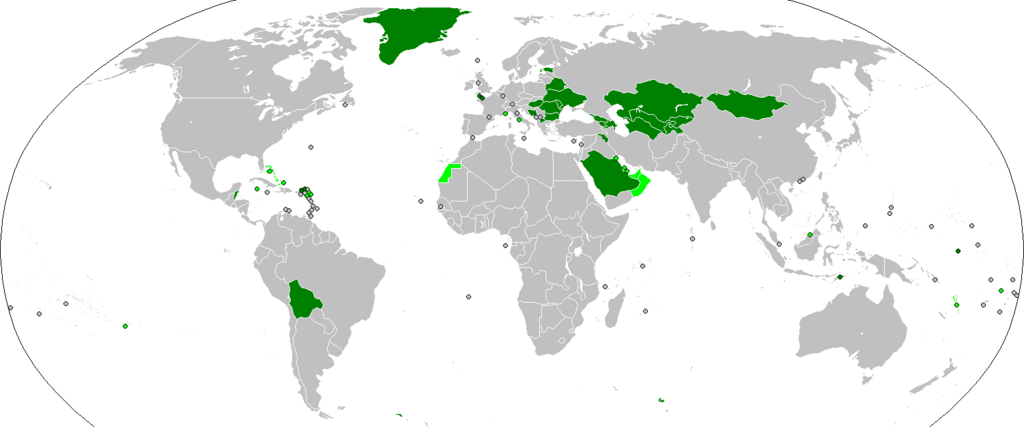
Most countries use a mix of direct and indirect taxes to fund their operations. Some countries, particularly in Scandinavia, have very high income taxes to fund extensive social welfare programs. Others, like many Gulf states, have no personal income tax at all, relying instead on revenue from natural resources and taxes on consumption.
The way income is taxed also varies. Many countries, including the United States and Germany, use a progressive system where tax rates increase as income increases. Others use a flat tax system, where everyone pays the same percentage of their income, regardless of how much they earn. There are also regressive taxes, where the tax rate decreases as the amount subject to taxation increases. A sales tax can be considered regressive because lower-income individuals spend a larger percentage of their income on taxable goods, meaning the tax burden falls more heavily on them.
Understanding these basic building blocks—the purpose of taxes, the principles of a good system, and the different types of taxes—is the first step to analyzing any specific country's tax policies.
Ready to check your understanding? Let's see what you've learned.
What is the primary purpose of a government levying taxes?
A tax system where the tax rate increases as the taxable amount increases is known as a __________ system.
Now that you have a solid grasp of the basics, you're ready to explore how these concepts apply in a real-world context.