Tax Reduction Strategies
Understanding Tax Basics
The Journey to Taxable Income
When you think about your income, you probably think of your total salary. But the government doesn't tax every dollar you earn. Instead, it taxes a specific amount called your taxable income. Figuring this number out is the first major step in filing your taxes.
The process starts with your Gross Income, which is all the money you receive during the year. This includes your salary, freelance earnings, investment returns, and other sources.
From there, you subtract certain expenses, called above-the-line deductions, to get to your Adjusted Gross Income (AGI). Think of AGI as a refined version of your income. It’s a key number because it's often used to determine your eligibility for certain tax benefits.
Understand adjusted gross income (AGI). AGI and tax rate are important factors in figuring taxes.
After calculating your AGI, you take more deductions. These are typically the standard deduction or itemized deductions. Subtracting these from your AGI gives you your Taxable Income. This is the final amount of your income that is subject to tax.
Deductions vs. Credits
People often use the terms “deduction” and “credit” interchangeably, but they have very different effects on your tax bill. Understanding the difference is key to lowering the amount you owe.
A deduction reduces your taxable income. A credit reduces your final tax bill.
Think of it like this: a tax deduction is a discount on the price of an item before the sales tax is calculated. Because the starting price is lower, you end up paying less tax. The actual savings from a deduction depends on your tax rate.
A tax credit, on the other hand, is like a gift card you apply after the sales tax is calculated. It reduces the final amount you have to pay, dollar for dollar.
Let’s look at an example. Suppose your taxable income is $50,000 and your tax rate is 20%. Your initial tax bill would be $10,000. Now let's see how a $1,000 deduction compares to a $1,000 credit.
| Scenario | Calculation | Final Tax Bill | Savings |
|---|---|---|---|
| $1,000 Deduction | ($50,000 - $1,000) * 0.20 | $9,800 | $200 |
| $1,000 Credit | ($50,000 * 0.20) - $1,000 | $9,000 | $1,000 |
As you can see, a tax credit is generally more valuable than a deduction of the same amount because it provides a direct, dollar-for-dollar reduction of your tax liability.
Calculating Your Tax Liability
Once you have your taxable income, you can calculate your total tax, also known as your tax liability. This isn't as simple as multiplying your taxable income by a single percentage. The U.S. uses a progressive tax system with different tax brackets.
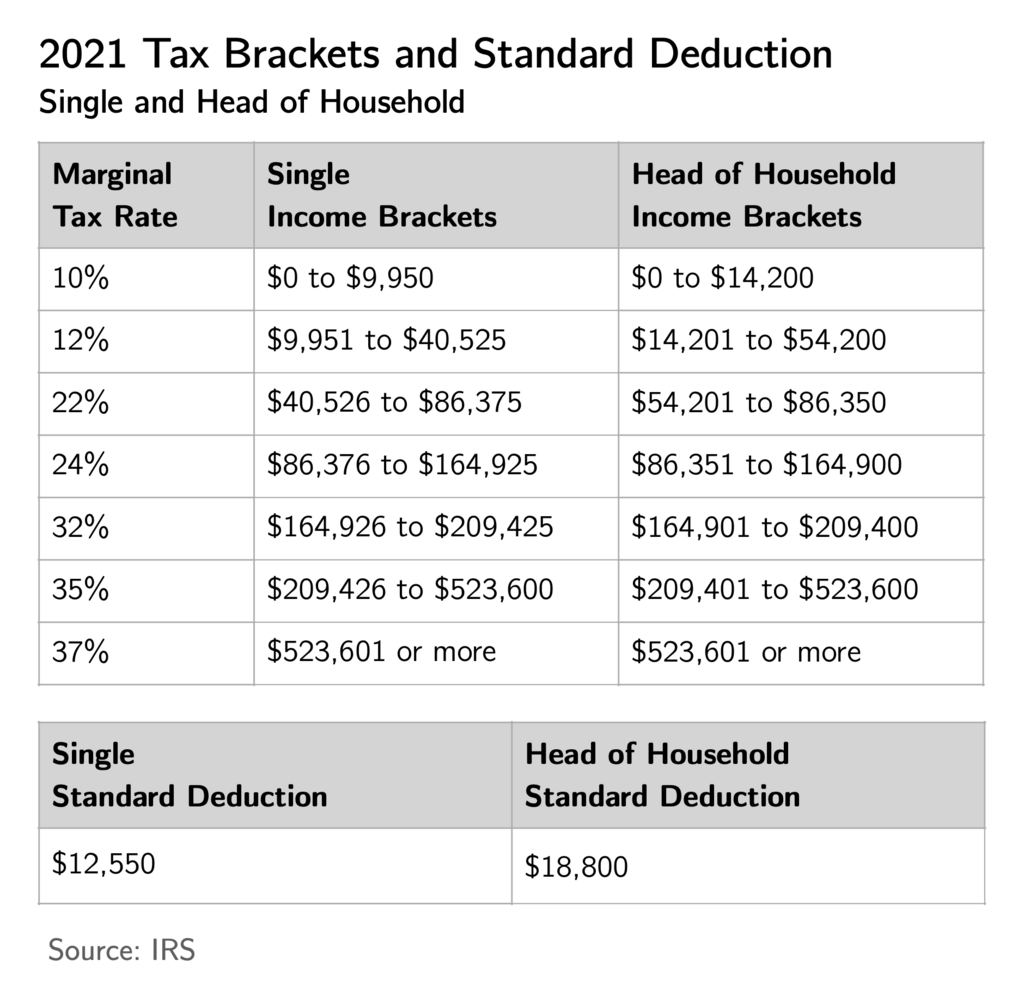
This means different portions of your income are taxed at different rates. For example, the first chunk of your income is taxed at a low rate, the next chunk is taxed at a slightly higher rate, and so on. We won't dive into the specific brackets here, but the result of this calculation is your initial tax amount.
The basic formula to find your final tax liability looks like this:
You start with the tax calculated from the brackets, then subtract any tax credits you're eligible for. The final number is what you owe the government. If you've already paid more than this amount through withholdings from your paycheck, you get a refund. If you've paid less, you'll need to pay the difference.
Which of the following represents the total amount of money you receive during a year before any deductions are taken?
Which of the following generally offers a more significant reduction to your final tax bill?
And that's the basic flow of how your tax bill is determined. It starts with your total income and, after a series of adjustments and calculations, ends with your final tax liability.