Tax Planning for Investors
Taxation Basics
Taxes and Your Investments
When you invest, the goal is to make your money grow. But as your investments earn money, the government often takes a share. This share is a tax. Thinking about taxes isn't just about what you owe at the end of the year; it's a key part of making smart investment decisions. Understanding how investment income is taxed can help you keep more of your returns.
There are three main ways your investments can generate taxable income: through interest, dividends, or capital gains. Each is treated a bit differently by the tax system.
Interest and Dividends
Interest is perhaps the simplest form of investment income. When you lend money to an entity, like buying a bond or putting cash in a high-yield savings account, you earn interest. This income is generally taxed at your ordinary income tax rate, the same rate that applies to your salary or wages.
Dividends are payments that some companies make to their shareholders, distributing a portion of their profits. They come in two main flavors: qualified and non-qualified. The difference matters because they are taxed at different rates.
Qualified dividends are taxed at lower, long-term capital gains rates. Non-qualified dividends are taxed at your higher, ordinary income tax rate.
For a dividend to be "qualified," you generally must have held the stock for more than 60 days during a specific 121-day period. Most regular dividends from U.S. corporations and many foreign corporations are qualified.
| Dividend Type | Tax Rate | Common Sources |
|---|---|---|
| Qualified | 0%, 15%, or 20% | Most common stocks |
| Non-Qualified | Ordinary Income Rate | REITs, Employee stock options |
Capital Gains Explained
The most common taxable event for many investors is a capital gain. This happens when you sell an investment for more than you paid for it. The original price you paid is called your cost basis.
For example, if you buy 10 shares of a stock for $100 each (a basis of $1,000) and later sell them for $150 each (a sale price of $1,500), your capital gain is $500.
But not all capital gains are taxed the same way. The crucial factor is how long you held the investment before selling it.
As long as you hold investments in your taxable account for more than a year, gains will qualify for a long-term capital gains rate that’s likely lower than your income tax rate — the rate that applies to short-term gains for investments held in your account for one year or less.
This distinction creates two categories of capital gains: short-term and long-term.
Short-Term Capital Gains are profits from selling an asset you've owned for one year or less. These are taxed at your ordinary income tax rate, which can be significantly higher.
Long-Term Capital Gains are profits from selling an asset you've owned for more than one year. These are taxed at preferential rates, which are 0%, 15%, or 20%, depending on your total taxable income.
The government incentivizes long-term investing by offering these lower rates. The policy encourages investors to hold onto assets, which can contribute to market stability.
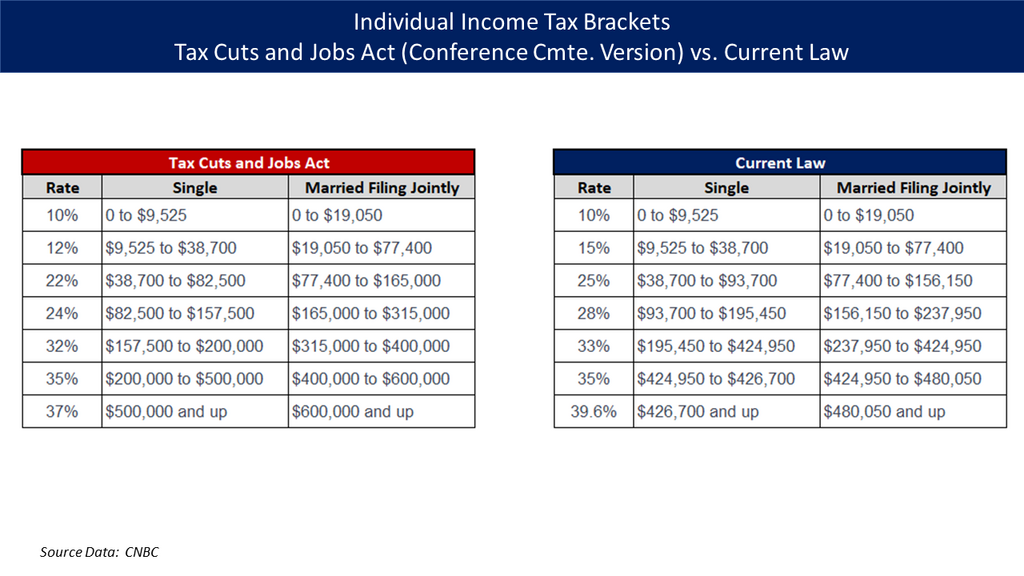
To see the difference, let’s imagine an investor named Alex who is in the 24% income tax bracket. Alex sells two investments:
- Stock A: Bought for $2,000 and sold 10 months later for $3,000. This is a $1,000 short-term gain.
- Stock B: Bought for $5,000 and sold 2 years later for $6,000. This is a $1,000 long-term gain.
The tax on the short-term gain would be . Assuming Alex falls into the 15% long-term capital gains bracket, the tax on the long-term gain would be just . By holding the second investment for over a year, Alex saved $90 in taxes on the same amount of profit.
These basic tax rules are the foundation of tax-efficient investing. While there are many complex strategies, simply understanding how different types of investment income are taxed and the benefit of holding investments for the long term can make a substantial difference in your overall returns.
What is the primary factor that determines whether a capital gain is considered short-term or long-term?
An investor in the 24% income tax bracket buys a stock for 700. How much tax will they owe on the profit?
Knowing these core concepts is the first step toward building a smarter investment strategy.