Tax Filing Essentials
Introduction to Taxation
Why We Pay Taxes
Taxes are how we pool our money to pay for public goods and services. Think of the roads you drive on, the schools that educate children, and the military that protects the country. These are all funded by tax dollars.
Governments at the federal, state, and local levels use tax revenue to operate. This money funds everything from national parks and scientific research to social programs like Social Security and Medicare, which provide income and healthcare for retirees and the elderly. Without taxes, these essential services wouldn't exist.
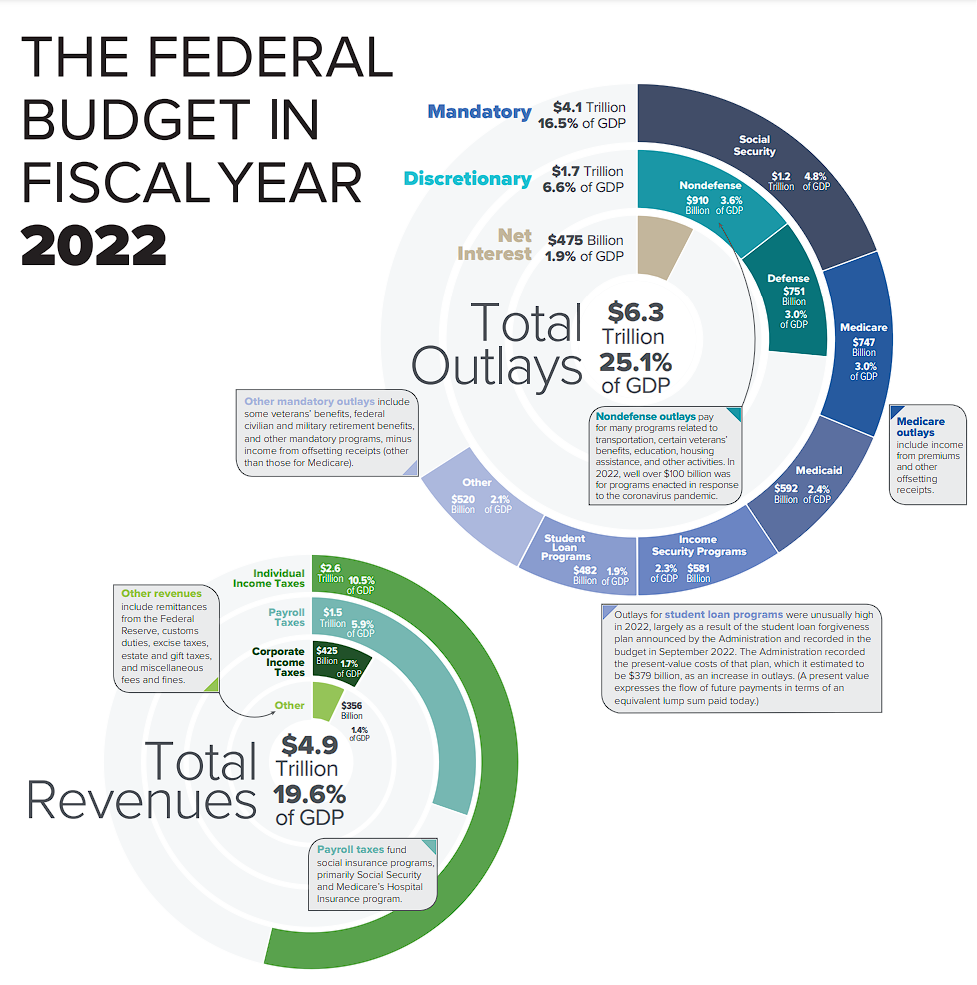
There are many types of taxes, including sales tax on goods you buy and property tax on a home you own. This article focuses on federal income tax, which is a tax on the money you earn throughout the year.
The Role of the IRS
The Internal Revenue Service, or IRS, is the U.S. government agency responsible for collecting taxes. It's their job to administer the nation's tax laws, which are written by Congress.
But the IRS does more than just collect money. It also helps taxpayers understand their responsibilities. The agency provides forms, instructions, and customer service to guide people through the tax-filing process. Its goal is to ensure the system is applied with integrity and fairness to everyone.

The IRS ensures that everyone pays their fair share, so the system can fund the services we all rely on.
Your Legal Obligation
In the United States, the tax system is based on voluntary compliance. This means each person is responsible for calculating and paying the correct amount of tax on time. It's a legal requirement for all citizens and residents who meet certain income thresholds.
All U.S. citizens, residents, and certain nonresidents with income from U.S. sources are obligated to comply with the federal tax system based on their income and financial transactions.
This pay-as-you-go system means you're expected to pay tax on your income as you earn it during the year, not just in one lump sum when you file your return. For most people with jobs, this is handled automatically through tax withholding from their paychecks. If you're self-employed or have other sources of income, you may need to make estimated tax payments periodically.
Failing to meet your tax obligations can result in penalties, interest charges, and legal consequences. Understanding the purpose of taxes and your role in the system is the first step toward managing your finances responsibly.
What is the primary purpose of taxes in the United States?
Which U.S. government agency is responsible for collecting taxes and administering tax law?