Tarot Fundamentals Your First Readings
Introduction to Tarot
The Structure of the Deck
A standard tarot deck contains 78 cards, each rich with symbolism. Think of it not as 78 separate pictures, but as a single, cohesive system for storytelling and self-reflection. The deck is split into two distinct parts: the Major Arcana and the Minor Arcana.
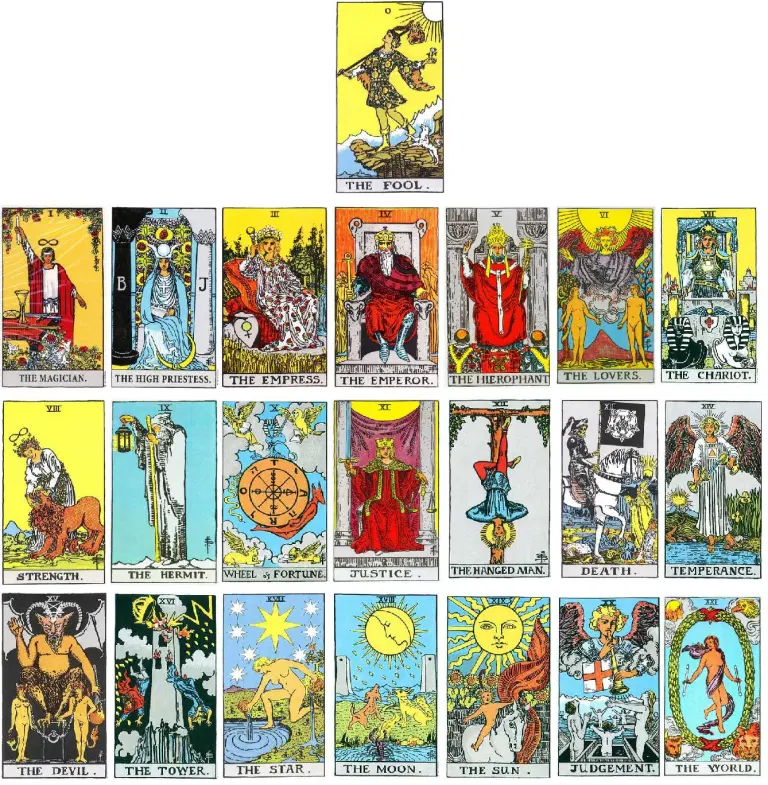
The Major Arcana consists of 22 trump cards that represent major life events, spiritual lessons, and universal archetypes. The Minor Arcana has 56 cards, divided into four suits, which typically reflect the day-to-day challenges and triumphs we all experience.
The Two Arcana
The word arcana comes from the Latin arcanum, meaning "secret." The Major Arcana cards are the "big secrets"—the foundational pillars of the human experience. When one of these cards appears in a reading, it signals a moment of significant importance. The Minor Arcana, or "small secrets," fill in the details of these larger themes.
Major Arcana cards point to the why, while Minor Arcana cards often describe the how and what.
The Minor Arcana's four suits—typically Wands, Cups, Swords, and Pentacles—correspond to different areas of life, such as passion, emotions, intellect, and the material world. Together, the two arcana create a complete picture, blending profound life lessons with everyday practicalities.
| Arcana | Number of Cards | Focus |
|---|---|---|
| Major | 22 | Major life events, spiritual lessons, archetypes |
| Minor | 56 | Daily situations, smaller challenges, details |
The Fool's Journey Begins
The Major Arcana tells a story known as the Fool's Journey. This narrative follows an archetype, The Fool (card 0), as he embarks on a path of self-discovery. Each card from 1 to 21 represents a stage in this journey, an encounter with a new teacher, or a lesson learned. The journey is a metaphor for our own lives, from innocent beginnings to eventual wisdom and completion.
The Major Arcana cards tell the story of the Fool’s journey, representing significant life events and spiritual lessons.
The first part of this journey, cards 0 through 10, lays the foundation. It begins with the pure potential of The Fool. He then meets foundational figures like The Magician, who masters his tools; The High Priestess, who trusts her intuition; The Empress, who nurtures growth; and The Emperor, who establishes order. This first half of the journey is about discovering the self, building structure, and understanding the forces that shape our world, culminating with the Wheel of Fortune (card 10), which represents the cycles and turning points in life.
Time and Direction
Tarot doesn't just predict the future. It's a tool for exploring the flow of energy in your life. Many readings use a simple structure of past, present, and future to frame the story the cards tell. This isn't about rigid predictions, but about understanding a situation's trajectory.
The card in the Past position illuminates the background of the situation—the events or energies that led to the current moment. The Present card offers a snapshot of what's happening now, clarifying the central issue. The Future card suggests a potential outcome if the current path is maintained. It shows a direction, not a destiny. By understanding these three aspects, you gain a clearer perspective on your journey and the choices available to you.