Tarot Foundations from Fear to Flow
Introduction to Tarot
From Game to Guidance
Tarot cards didn't start as a mystical tool for peering into the future. They began in 15th-century Italy as a card game called tarocchi. Wealthy families commissioned artists to create elaborate, hand-painted decks for playing. These early cards featured symbolic, allegorical images that reflected the art and culture of the Renaissance.
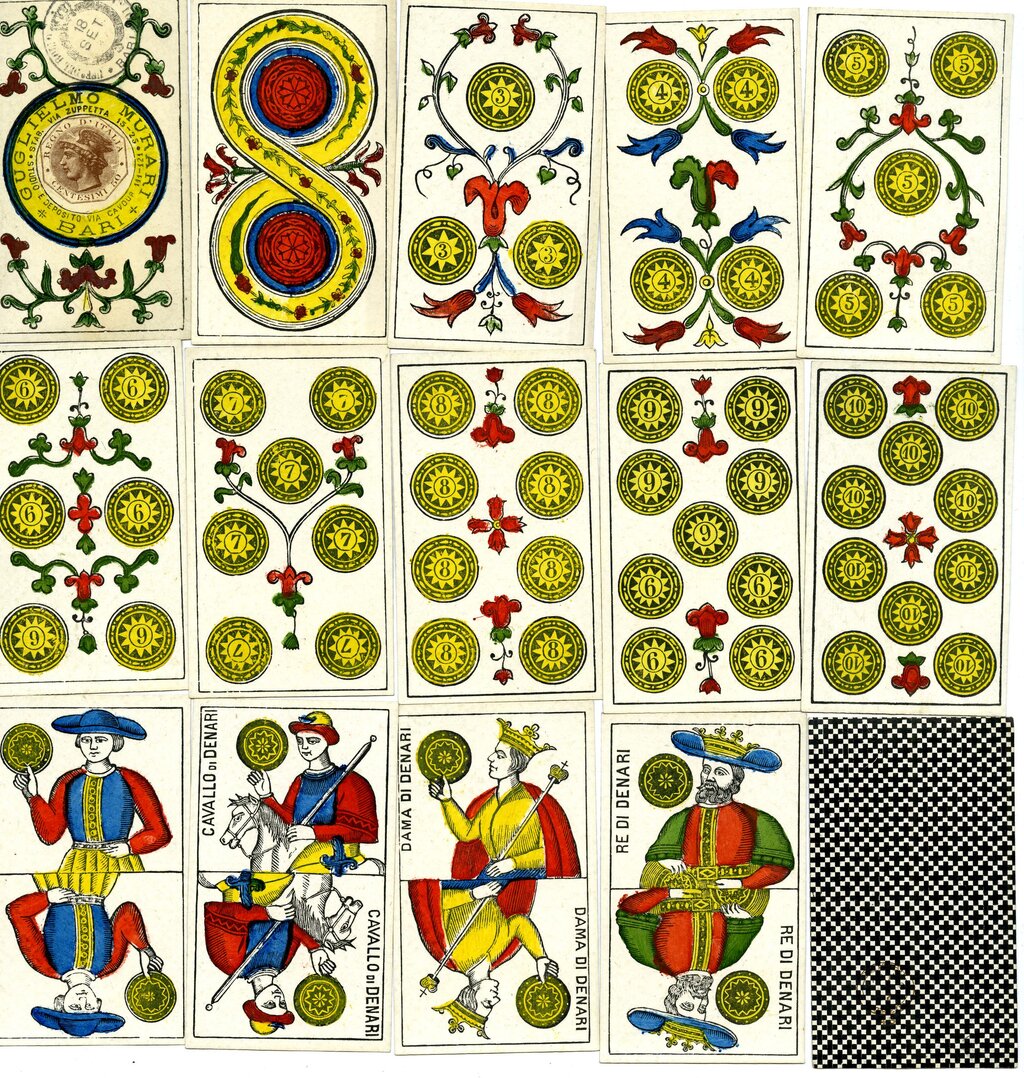
It wasn't until the 18th century that the practice of using tarot for divination, or cartomancy, began to take hold, primarily in France. Mystics and occultists saw deeper meaning in the cards' rich symbolism. They connected the imagery to ancient Egyptian wisdom, Kabbalah, and astrology, creating the interpretive systems that modern tarot is built on.
Over time, the focus shifted from a game of chance to a method of self-exploration. The cards evolved into a tool for reflection, helping people understand their own lives, challenges, and potential paths forward.
The Structure of a Deck
A standard tarot deck contains 78 cards, divided into two main parts: the Major Arcana and the Minor Arcana. Think of it like a storybook. The Major Arcana represents the big, overarching themes of life, while the Minor Arcana fills in the details of the day-to-day.
The Major Arcana cards are like the major milestones or turning points in a journey. The Minor Arcana cards are the smaller events and choices that happen along the way.
The Major Arcana consists of 22 cards, each depicting a significant life lesson or archetype. These cards, like The Fool, The Magician, and The World, tell a story of a soul's journey from innocence to enlightenment. When one of these cards appears in a reading, it points to a major life event or a powerful universal theme at play.
The Minor Arcana is made up of the remaining 56 cards. It functions much like a standard deck of playing cards, divided into four suits. Each suit represents a different area of everyday life.
| Suit | Element | Represents |
|---|---|---|
| Wands | Fire | Passion, energy, creativity |
| Cups | Water | Emotions, relationships, intuition |
| Swords | Air | Thoughts, challenges, communication |
| Pentacles | Earth | The material world, finances, work |
Each of these four suits contains ten numbered cards (Ace through 10) and four Court Cards: the Page, Knight, Queen, and King. The numbered cards show the progression of the suit's theme, from the initial spark of the Ace to the culmination of the 10. The Court Cards often represent people, personality types, or different levels of mastery over the suit's element.
Reading with Responsibility
Using tarot cards for insight comes with a few ethical guideposts. The goal isn't to predict a fixed, unchangeable future. Instead, tarot is a tool for empowerment. It helps you explore possibilities and understand the energies surrounding a situation so you can make more informed choices.
A responsible reader respects privacy and consent. They don't perform readings about a third party without permission. The focus should always be on the person asking the questions, known as the querent. The reading is for their guidance, not for prying into someone else's life.
Reading tarot is about gaining understanding and insight to help you see things from a different perspective.
Finally, a tarot reader is a guide, not a guru. They interpret the symbols on the cards, but the ultimate power and decision-making authority rests with the querent. The cards can illuminate a path, but it's up to you to decide whether to walk it.
Now, let's review the key concepts we've covered.
Ready to test your knowledge?
Tarot cards originally began in 15th-century Italy as what?
A standard Tarot deck is divided into which two main sections?
With this foundation, you're ready to start exploring the rich symbolism and stories contained within the 78 cards of the tarot.