Tarot Card Fundamentals
Origins of Tarot
A Game of Trumps
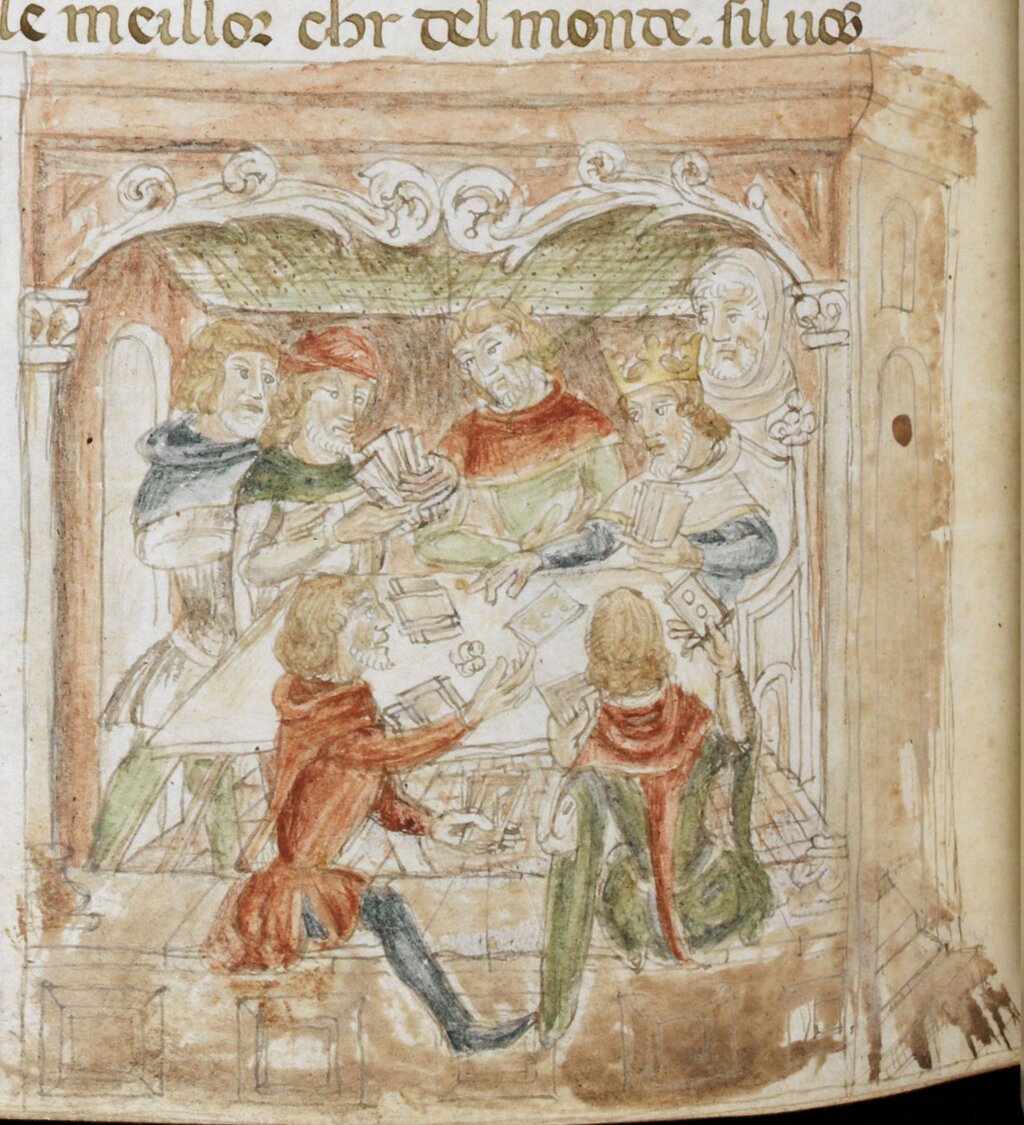
Before they were used to glimpse the future, tarot cards were for playing games. Their story begins in 15th-century Italy, a time of artistic flourishing and cultural exchange. Playing cards themselves weren't new; they had likely arrived in Europe from the Mamluk Sultanate in Egypt, featuring suits of cups, coins, swords, and polo-sticks.
Italian card makers adapted these suits, changing polo-sticks to batons or wands. But their key innovation was adding a fifth suit of illustrated trump cards, known as trionfi or "triumphs." These special cards, depicting allegorical figures and symbols, outranked all others. This new game was called carte da trionfi, the ancestor of modern tarot.
Hand-Painted Works of Art
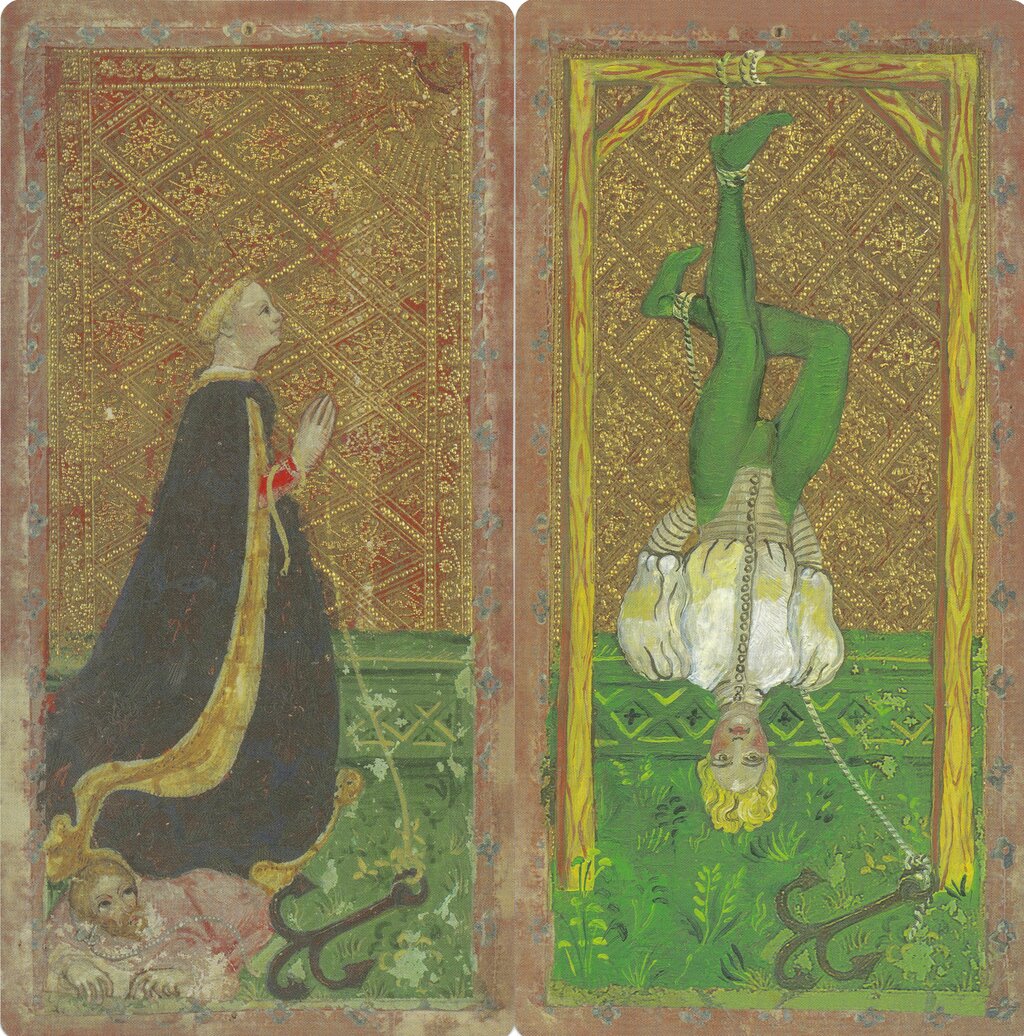
The earliest surviving tarot decks were luxury items, hand-painted for noble families like the Visconti and Sforza in Milan. These weren't mass-produced decks for the common person. They were intricate works of art, reflecting the culture and interests of the Italian Renaissance court.
The game played with these cards was a trick-taking game called tarocchi. It was a game of skill and strategy, similar to bridge, and immensely popular among the aristocracy. For several centuries, this was the sole purpose of the cards. The idea of using them for divination was still far in the future.
The Occult Connection
The great shift happened in late 18th-century France. In the 1780s, a French scholar and Freemason named Antoine Court de Gébelin encountered a deck of tarot cards. He became convinced that their symbols were not merely Renaissance art, but relics of ancient Egyptian wisdom from the mythical Book of Thoth.
Though his theories were based on faulty historical assumptions (the hieroglyphs had not yet been deciphered), his ideas were incredibly influential. They captured the imagination of a public fascinated with all things mystical and ancient.
Almost overnight, the tarot was transformed from a simple card game into a profound esoteric tool.
Soon after, a professional fortune-teller named Jean-Baptiste Alliette, who went by the name Etteilla, took Court de Gébelin's ideas and ran with them. Etteilla created the first known tarot deck designed exclusively for occult purposes and published a book explaining how to use it for divination. He assigned specific meanings to each card and linked them to astrology and the four classical elements.
From Italy to the World
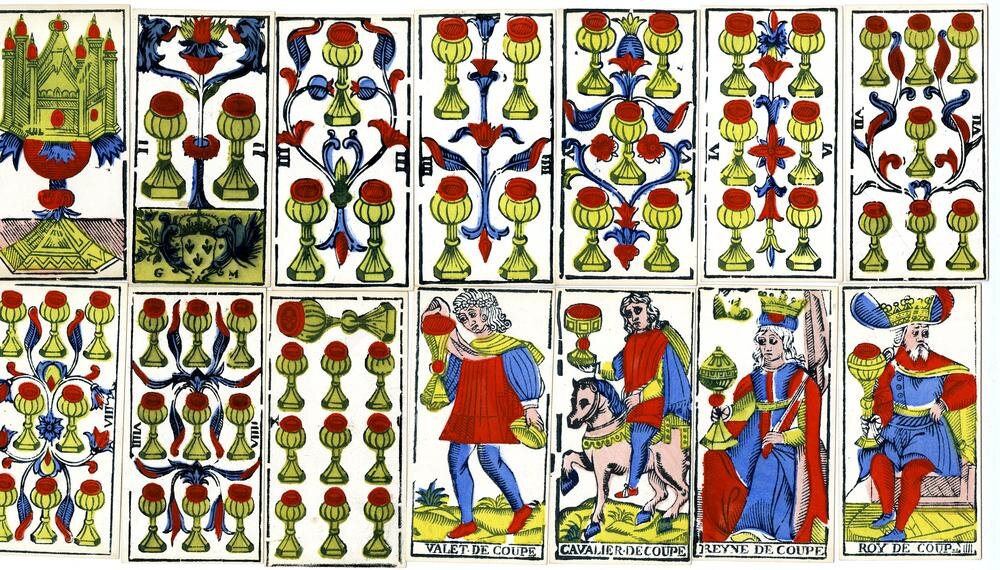
As these new ideas spread, so did the cards themselves. The Tarot of Marseilles, a woodcut-printed deck, became one of the most common patterns and heavily influenced decks that came later. The printing press made cards more accessible, moving them from the hands of nobles to the general public.
The 19th century saw a surge of interest in occultism, and French esotericists like Eliphas Lévi further developed the mystical interpretation of tarot, linking it to Kabbalah and other traditions. This set the stage for later groups like the Hermetic Order of the Golden Dawn, whose members would create some of the most famous tarot decks in history.
From a parlor game in Renaissance Italy to a tool for divination in occult circles, the tarot deck's journey is a fascinating story of reinvention. The cards themselves changed little, but the way people saw them changed completely.
What was the original purpose of tarot cards when they were created in 15th-century Italy?
The key innovation that Italian card makers added to the four-suited decks arriving from Egypt was a fifth suit of illustrated trump cards known as ______.