Tanzania's Natural Resources Flow
Introduction to Tanzania's Natural Resources
Tanzania's Treasure Trove
Tanzania is a country gifted with immense natural wealth. Beneath its famous savannas and mountains lies a vast array of minerals and energy resources. This natural endowment is a cornerstone of the nation's economy, shaping its development and providing opportunities for its people.
More Than Just Gold
When people think of African minerals, gold often comes to mind, and Tanzania is a major player. The country is one of Africa's largest gold producers. Most of this activity is centered around the Lake Victoria Greenstone Belt in the northwest, a region with a long history of mining.
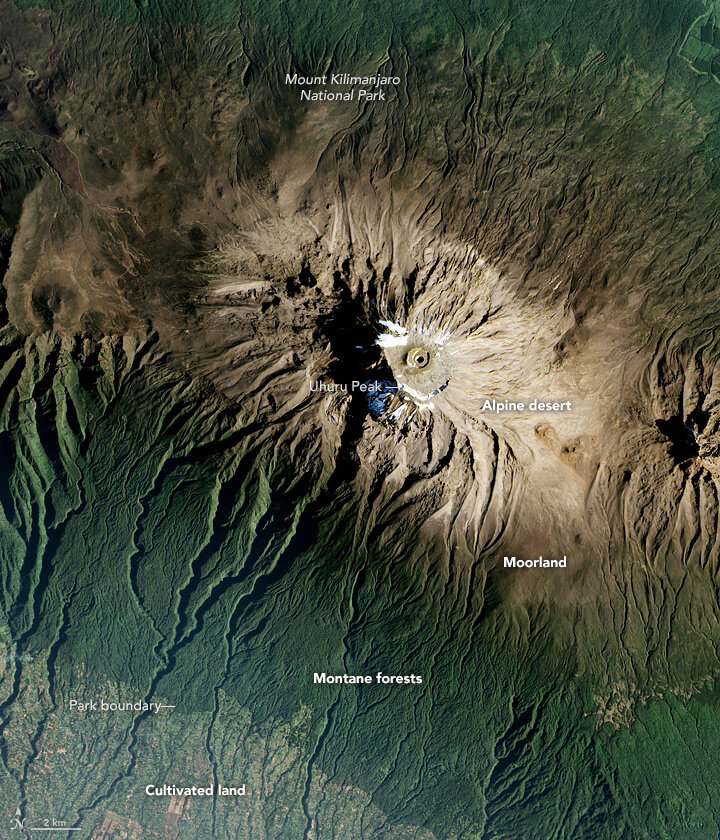
But Tanzania holds a gem that is uniquely its own: tanzanite. This striking blue-violet gemstone is found in only one place on Earth—a small mining area near the base of Mount Kilimanjaro. Its rarity makes it highly prized around the world. The discovery of tanzanite in the 1960s was a remarkable stroke of geological luck, adding a splash of vibrant blue to the country's mineral portfolio.
Beyond these two, Tanzania's mineral wealth is diverse. The Williamson diamond mine, once owned by a Canadian geologist, has been a significant source of diamonds for decades. The country also has substantial deposits of other resources, including nickel, copper, uranium, and various other gemstones like sapphires and rubies.
Powering the Nation
Tanzania's resource wealth isn't limited to solid minerals. The country has discovered significant reserves of natural gas, primarily in offshore fields deep beneath the Indian Ocean. These discoveries have been a game-changer for the country's energy sector.
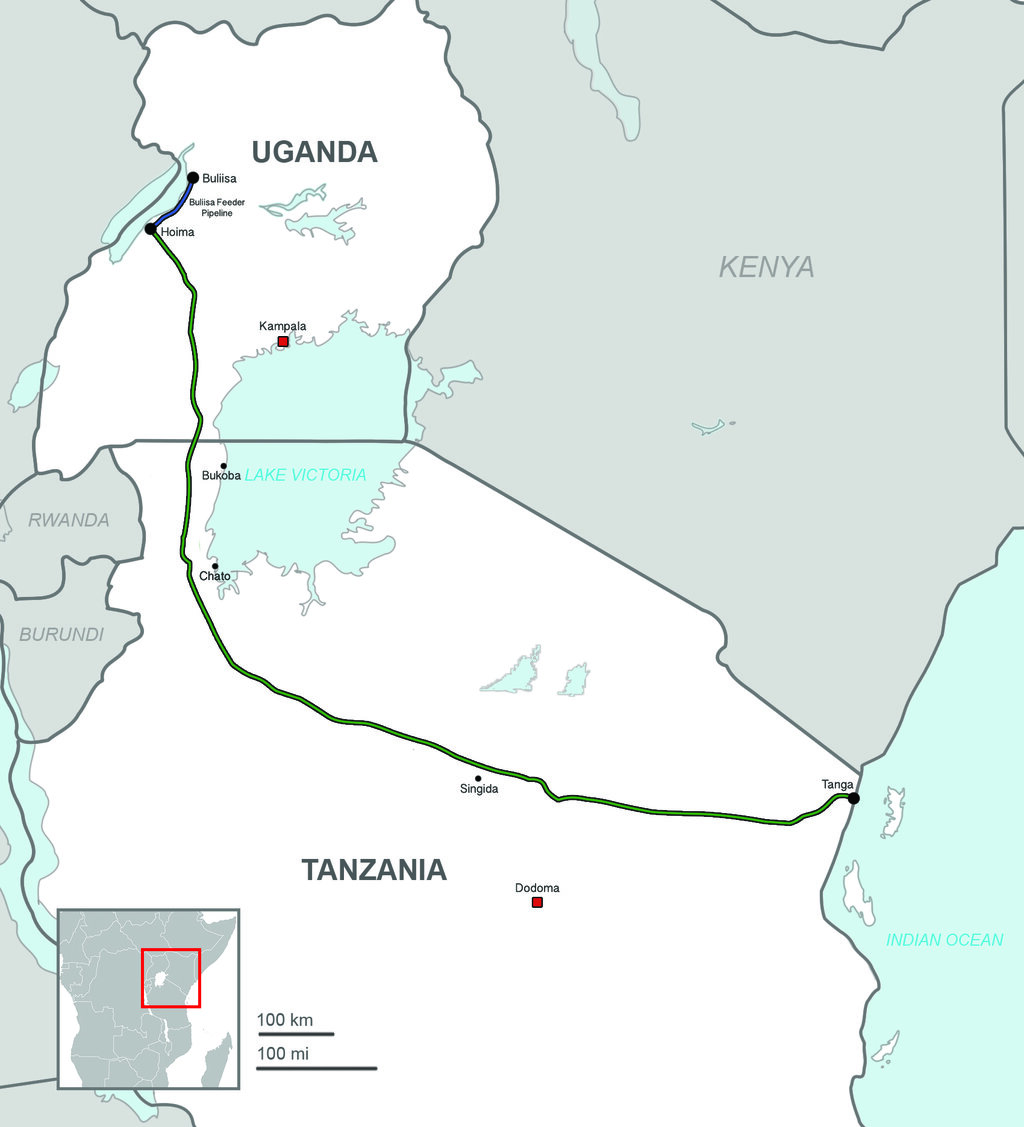
Natural gas is now a critical component of Tanzania's energy mix, used to generate electricity that powers homes and industries. This reduces the country's reliance on more expensive and less reliable energy sources. Pipelines carry this gas from the southern coastal regions to the commercial capital, Dar es Salaam, fueling economic activity along the way.
While natural gas is the current star, Tanzania also has other energy resources. There are large coal reserves in the southern part of the country, and its many rivers give it significant potential for hydropower, which has long been a part of its electricity grid.
A Land of Diverse Riches
Tanzania's resources are not spread evenly across the country. Their locations are dictated by millions of years of geological history. The Great Rift Valley, a massive tear in the Earth's crust that runs through the country, created the unique conditions for many of these mineral and gemstone deposits to form.
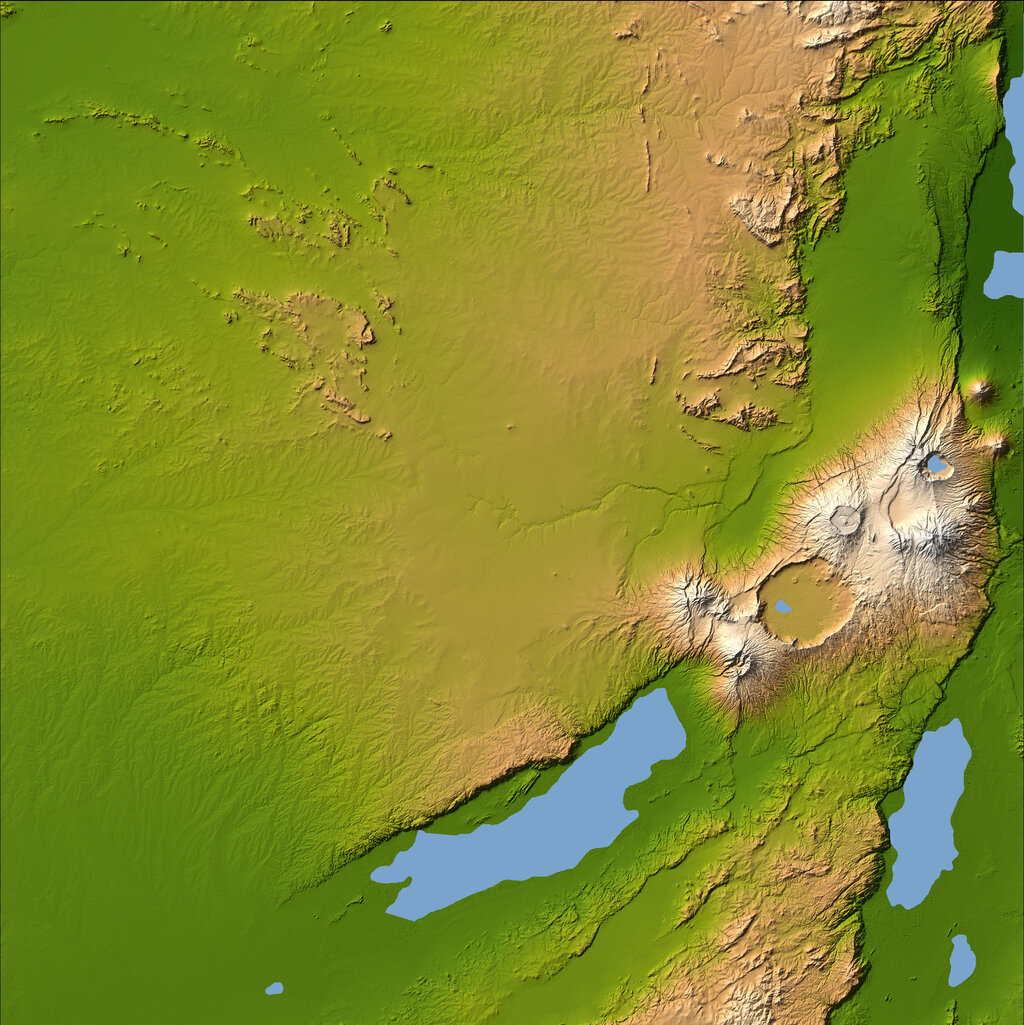
This geographical distribution means that different regions have distinct economic identities. The northwest is the heart of the gold mining industry. The area around Arusha in the north is the global center for tanzanite. The southern coast, with cities like Mtwara and Lindi, is the hub for the natural gas industry. This patchwork of resources creates a complex economic map, with each region contributing its unique part to the national economy.
The mining and energy sectors are major contributors to Tanzania's Gross Domestic Product (GDP) and are a vital source of foreign currency through exports.
Economically, these resources are vital. They attract foreign investment, create jobs, and generate revenue for the government through taxes and royalties. This income helps fund essential public services, such as building schools, hospitals, and roads. The development of these resources is a key part of Tanzania's strategy to foster economic growth and improve the standard of living for its citizens.
Ready to test your knowledge?
What is unique about the gemstone tanzanite?
The major gold mining activities in Tanzania are concentrated around which geographical area?
Understanding where these resources are and their role in the economy is the first step in appreciating the journey they take from the ground to the global market.