Taming Screen Time for Kids
Understanding Screen Time Impact
The Effects of Screen Time
Screens are a part of modern life, but it's important to understand how they affect a child's development. Too much time spent looking at a device can have real consequences for their physical health, mental well-being, and social skills.
Physically, the most obvious impact is a more sedentary lifestyle. When kids are on tablets or watching TV, they aren't running, jumping, or playing outside. This lack of activity can contribute to health problems down the line. It can also lead to physical discomfort like eye strain from staring at bright screens and poor posture from hunching over a device.
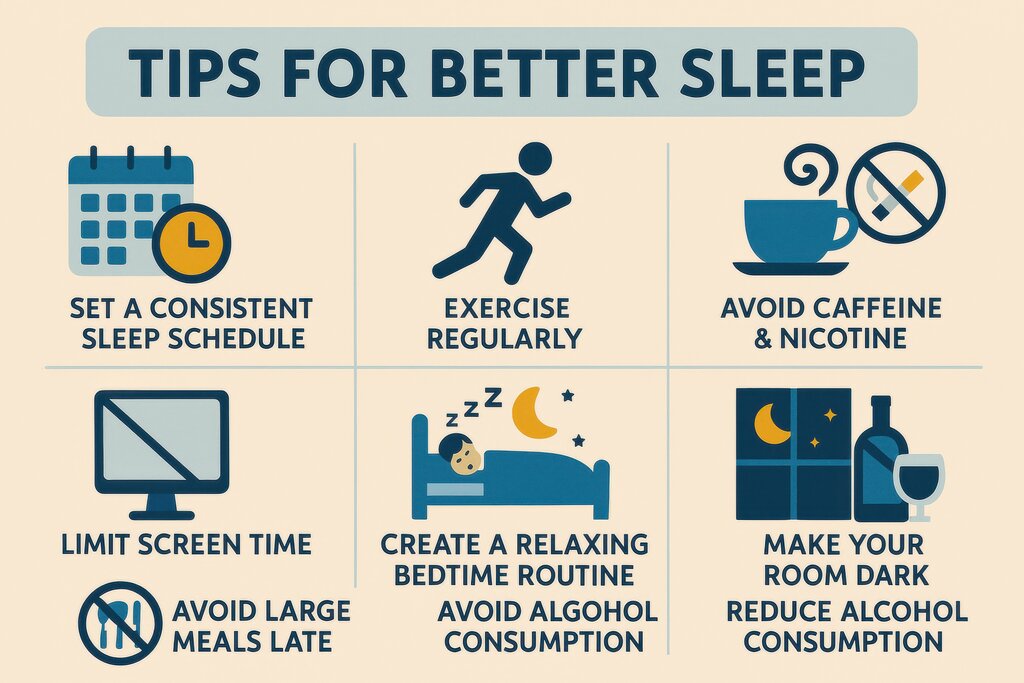
One of the biggest concerns is sleep. The blue light emitted by screens can disrupt the body's production of melatonin, a hormone that signals it's time to sleep. This can make it harder for children to fall asleep and can reduce the quality of the sleep they do get, leaving them tired and irritable the next day.
Mental and Social Impact
A child's brain is constantly developing, and excessive screen time can shape that process. The fast-paced, instantly gratifying nature of many apps and videos can make it harder for children to focus on slower, real-world activities that require sustained attention. This can potentially affect their patience and ability to persevere through challenging tasks.
The constant stimulation from digital devices can be overwhelming for young, developing brains, sometimes affecting their ability to self-regulate emotions.
From a social perspective, screen time can take the place of crucial face-to-face interaction. Children learn social cues, empathy, and communication skills by talking and playing with family and peers. When these interactions are replaced by solo screen time, there are fewer opportunities to practice these essential life skills.
Too much time spent on devices can reduce face-to-face interactions with peers and adults, potentially hindering the development of key social skills like empathy, conflict resolution, and communication.
How Much Is Too Much?
Health organizations provide general guidelines to help parents manage screen time. These aren't rigid rules but are helpful benchmarks for thinking about what's appropriate at different stages of development.
| Age Group | Recommended Screen Time |
|---|---|
| Under 18-24 months | Avoid screen media other than video-chatting. |
| 2 to 5 years | Limit to 1 hour per day of high-quality programming. |
| 6 years and older | Place consistent limits on time and types of media. |
The goal isn't to eliminate screens entirely, but to ensure they don't displace other important activities. A healthy childhood involves a wide range of experiences, both digital and analog.
Balance screen time with physical activity, outdoor play, and face-to-face social interactions to support overall cognitive health.
When technology use is balanced with hands-on activities, outdoor play, and social time, children get the best of both worlds. They can develop the skills needed to thrive in a digital age without missing out on the essential experiences that shape a healthy, well-rounded person.
Now, let's check your understanding of these concepts.
Excessive screen time can contribute to physical health problems in children primarily because it:
The blue light emitted from screens can negatively impact a child's sleep by:
Understanding these impacts is the first step toward fostering a healthy relationship with technology.