Takaful Insurance Explained
Introduction to Takaful
An Insurance of Mutual Guarantee
Conventional insurance is a massive global industry, but it operates on principles that can conflict with Islamic law, or Shariah. To meet the need for ethical, Shariah-compliant financial protection, a different system was developed: Takaful.
guaranteeing each other
The word Takaful is an Arabic term that means “guaranteeing each other” or “joint guarantee.” At its heart, it's a system where participants contribute money to a shared pool. This pool is used to provide mutual financial aid to any member who suffers a specified loss. It’s not about transferring risk to a company; it’s about sharing risk among a community.
Think of it like a neighborhood pact. Everyone chips in a little, and if someone's house is damaged in a storm, the community fund helps them rebuild. The core idea is cooperation and shared responsibility.
The concept isn't new. It traces its roots back to ancient Arab tribal customs where members of a clan would contribute to a fund to help pay “blood money” (diyah) for a member who had unintentionally harmed someone from another tribe. Early Muslims adopted and refined this practice, grounding it in the Islamic principles of mutual support and charity (sadaqa).
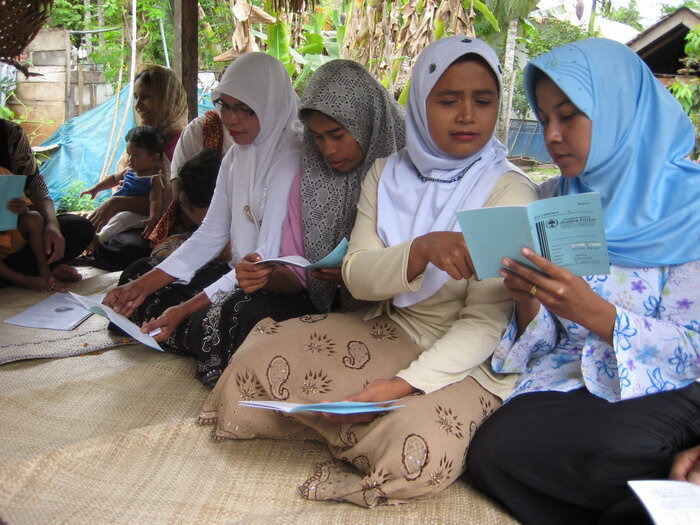
This makes Takaful a significant pillar of Islamic finance. It offers a way for individuals and businesses to manage risk without violating key Shariah prohibitions, such as the ban on interest and excessive uncertainty.
Takaful vs. Conventional Insurance
While both Takaful and conventional insurance aim to provide financial protection, their underlying philosophies and operations are fundamentally different. The main distinction lies in how they handle risk and the ethical framework they follow.
| Feature | Conventional Insurance | Takaful |
|---|---|---|
| Core Principle | Risk Transfer | Risk Sharing |
| Relationship | The company bears the risk for a premium. | Participants pool funds to share risk among themselves. |
| Ownership | Policyholders are clients; the company is owned by shareholders. | Participants are co-owners of the Takaful fund. |
| Investment | Funds are invested for profit, often in interest-bearing assets. | Funds must be invested in Shariah-compliant assets (no interest). |
| Surplus | Profits belong to the company's shareholders. | Any surplus is distributed among participants or donated. |
Conventional insurance involves elements that are prohibited (haram) in Islam:
- Riba (Interest): Insurance companies invest premiums in interest-bearing securities.
- Gharar (Excessive Uncertainty): The outcome of an insurance contract is uncertain. You might pay premiums for years and never make a claim, or receive a huge payout after one payment.
- Maysir (Gambling): This uncertainty can be seen as a form of gambling, where one party's gain is based on another's loss.
Takaful is structured to avoid these issues. The Takaful operator acts as a manager of the fund, not the owner of it. The relationship is based on a cooperative contract, not a purely commercial one.
Ready to check your understanding?
What is the core principle behind the Takaful system?
Conventional insurance is often considered non-compliant with Islamic law (Shariah) because it involves 'Gharar'. What does 'Gharar' refer to?
By operating on principles of cooperation, community support, and ethical investment, Takaful provides a vital financial service that aligns with Islamic values.