Taiwanese Mandarin Mastery
Taiwanese Pronunciation Shifts
The Sound of Taiwan
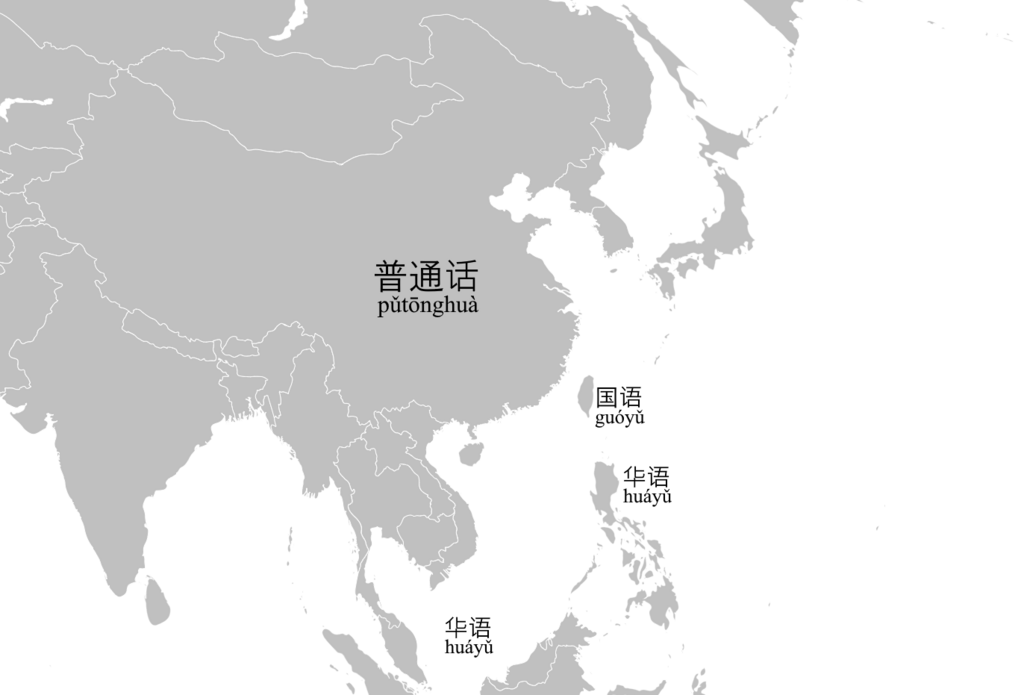
If you've learned Mandarin using standard Putonghua materials, you might be surprised the first time you hear it spoken in Taiwan. While it's the same language, the accent, known as Guóyǔ (國語), has its own distinct flavor. Think of it like the difference between British and American English. The fundamentals are the same, but the pronunciation, vocabulary, and rhythm can be quite different. Understanding these shifts is key to both comprehending native speakers and sounding more natural yourself.
Flattening the Curls
The most noticeable difference is the treatment of — the 'curled tongue' initials zh, ch, and sh. In Taiwanese Guóyǔ, these often lose their curl and become flat-tongued dental sibilants: z, c, and s. This process is sometimes called 'de-retroflexion'.
For example, the number ten, shí, often sounds like the number four, sì. The verb 'to be', shì, also becomes sì. And zhīdào (to know) frequently becomes zīdào. Context becomes your best friend for telling these words apart.
Similarly, the initial r sound often softens. For example, rén (person) might be pronounced closer to lén, and rìběn (Japan) can sound like lìběn. This isn't a universal rule, but it's a very common tendency.
Other Signature Shifts
Beyond the retroflex sounds, a few other key features define the Taiwanese accent. One is the near-total absence of erhua (儿化), the r-coloring common in Beijing and other northern dialects. Where a Beijinger might say nǎr (where?), a Taiwanese speaker will almost always say nǎlǐ. This makes the speech sound clearer and less complicated by r-endings.
Another common shift involves nasal finals. The finals -eng and -ing often merge into -en and -in. This means a word like péngyǒu (friend) might sound more like pényǒu, and Míngtiān (tomorrow) can sound like Míntiān.
Perhaps the most famous individual word change is the pronunciation of 和, meaning 'and'. In Mainland China, it's pronounced hé. In Taiwan, you will almost exclusively hear it pronounced as in this context. This is a holdover from an older, more classical reading of the character.
| Feature | Standard Putonghua (Mainland) | Taiwanese Guóyǔ |
|---|---|---|
Retroflex zh, ch, sh | Strong curl (zhīdào) | Flat tongue (zīdào) |
Initial r | Curled r sound (rén) | Soft l sound (lén) |
| R-coloring | Common (nǎr) | Absent (nǎlǐ) |
| Nasal Finals | Distinct eng/ing (péngyǒu) | Merged en/in (pényǒu) |
| Conjunction 'and' | hé | hàn |
Finally, the overall melody of the language feels different. Taiwanese Guóyǔ often has a gentler, more melodic intonation pattern compared to the more forceful enunciation sometimes heard in the north. The neutral tone is also used less frequently, with many syllables retaining their original tone. Ready to test your ear?
In Taiwanese Guóyǔ, how are the retroflex initials zh, ch, and sh often pronounced?
A speaker from Beijing might ask "where?" by saying nǎr. How would a typical Taiwanese speaker ask the same question?
Being aware of these shifts will dramatically improve your listening skills and help you adapt your own speech to be better understood in Taiwan.