Taiwanese Mandarin Essentials
Pronunciation and Tones
Sounds You Can See
Before diving into Chinese characters, you need to learn the sounds of Mandarin. The most common tool for this is Pinyin, a system that uses the familiar Roman alphabet to write out Mandarin pronunciation. Think of it as a set of instructions for your mouth.
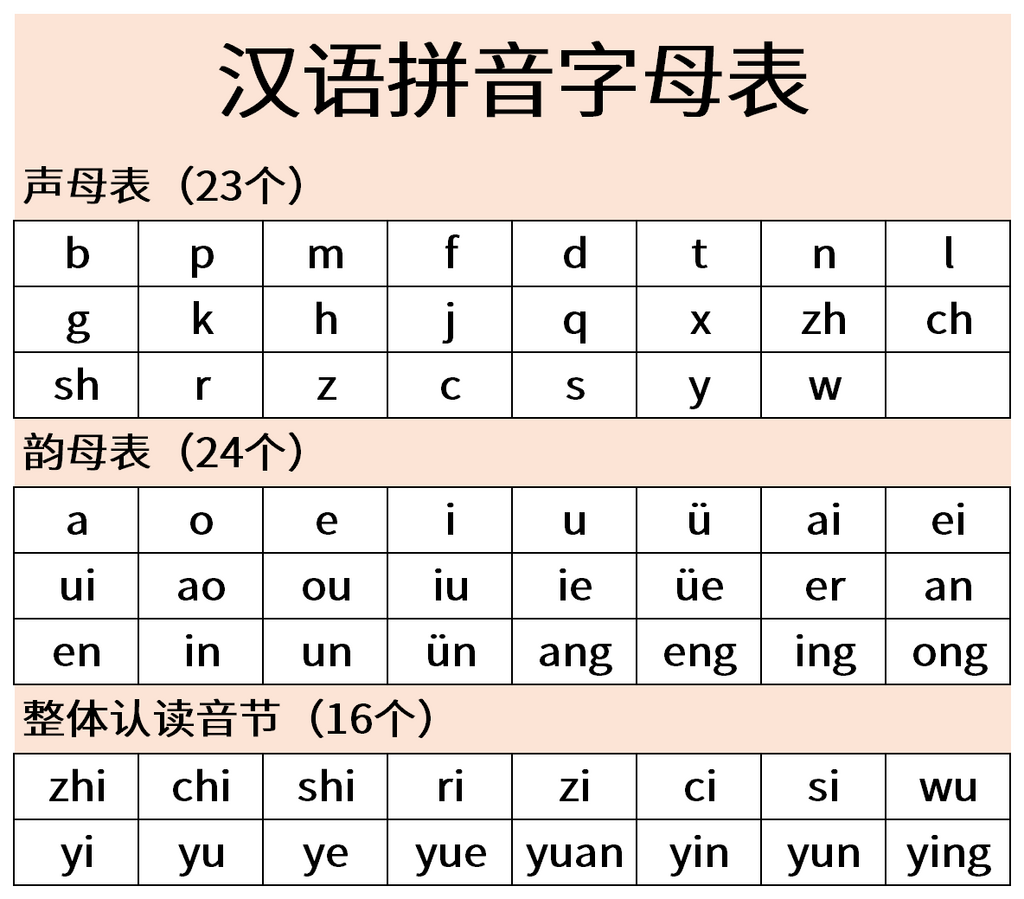
Every Pinyin syllable has up to three parts: an initial, a final, and a tone. The initial is the starting consonant sound, and the final is the vowel sound that follows. For example, in the syllable hǎo (good), h is the initial and ao is the final. The little mark above the a represents the tone, which is the pitch you use to say the syllable.
The Music of Mandarin
Mandarin is a tonal language. This means the pitch of your voice changes the meaning of a word completely. The same syllable can mean
The same syllable, like ma, can mean “mother,” “hemp,” “horse,” or “to scold,” all depending on how you say it. Getting the tones right is essential for being understood.
There are four main tones, plus a fifth “neutral” tone.
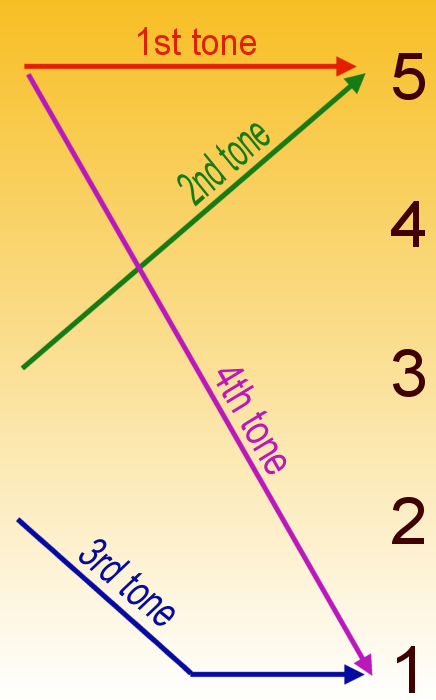
Here’s a breakdown:
- First Tone (mā): A high, flat sound. Imagine a doctor asking you to say “Ahhh.” The tone mark is a flat line: ¯
- Second Tone (má): A rising sound, like you're asking a question: “Huh?” The tone mark slants up: ´
- Third Tone (mǎ): A dipping and then rising sound. It’s the most complex tone. It goes down, then back up. The tone mark is a little checkmark: ˇ
- Fourth Tone (mà): A sharp, falling sound, like a command: “Stop!” The tone mark slants down: `
There's also a Neutral Tone, which has no tone mark. It's pronounced lightly and quickly, taking its pitch from the syllable before it. For example, in māma (mother), the second ma is neutral.
| Pinyin | Tone | Meaning |
|---|---|---|
| mā | First (High) | mother (媽) |
| má | Second (Rising) | hemp (麻) |
| mǎ | Third (Dipping) | horse (馬) |
| mà | Fourth (Falling) | to scold (罵) |
Building Blocks of Sound
Pinyin syllables are built from initials and finals. Most initials are consonant sounds similar to English, but some can be tricky. Finals are the vowel sounds, and they can be simple vowels like a, o, and e, or compound vowels like ai, ei, and ao.
Think of initials and finals like a simple grid. You pick one sound from the initial column and one from the final row to form a syllable. For example, combine the initial b with the final a to get ba, or the initial n with the final i to get ni.
Let’s look at some common sounds that often trip up English speakers:
- q is pronounced like the ch in “cheese.”
- x is like a soft sh sound. To make it, touch the tip of your tongue to the back of your bottom teeth and hiss, as if you’re saying “she.”
- zh sounds like the j in “jeep.”
- c is like the ts in “cats.”
- z is like the ds in “beds.”
- r is similar to the s sound in the English word “pleasure.”
For finals, the vowel ü (written as u after j, q, x, and y) can be challenging. It's the sound you make when you say the letter “u” in French. To pronounce it, shape your lips as if you're whistling and try to say “ee.”
What are the three potential components of a Pinyin syllable?
Which tone is described as a sharp, falling sound, similar to a command like "Stop!"?
Mastering Pinyin and tones takes practice. Listen to native speakers, record yourself, and don't be afraid to make mistakes. It's the first and most important step to speaking Mandarin clearly.