Tai Chi Walking Effectiveness
Introduction to Tai Chi Walking
From Martial Art to Moving Meditation
Tai Chi, at its core, is an ancient Chinese practice that began as a martial art. Its name, often translated as “supreme ultimate fist,” hints at these combative origins. Developed centuries ago, it was a system of self-defense known for its soft, flowing movements that could neutralize an opponent's force.

Over time, however, the focus shifted. Practitioners discovered that the slow, deliberate movements and deep breathing had profound health benefits. It evolved from a fighting technique into a practice for cultivating physical and mental well-being. Today, most people practice Tai Chi not for combat, but as a form of moving meditation, a way to connect mind and body through gentle, continuous motion.
The Essence of Tai Chi Walking
You don't need to learn complex sequences to benefit from Tai Chi. The same principles can be applied to one of our most basic activities: walking. Tai Chi walking transforms a simple stroll into a mindful practice. It’s built on three core ideas.
Mindful Movement: Pay attention to your body. Feel the way your weight shifts from one foot to the other. Notice the sensation of your sole connecting with the ground. This isn't about getting somewhere quickly; it's about being present in each step.
Balance and Stability: Walking with intention helps you find your center. The slow pace forces you to engage your core and maintain stability through each phase of a step. It's a continuous, dynamic way to train your balance.
The slow, deliberate weight-shifting of Tai Chi is a continuous, dynamic balance training.
Breath Coordination: Your breath guides your movement. A simple way to start is to inhale as you lift your foot and prepare to step, and exhale as you slowly place it on the ground. This rhythm helps calm the nervous system and focuses the mind.
A Practice for Everyone, Everywhere
One of the greatest strengths of Tai Chi walking is its accessibility. It requires no special equipment or clothing. Because it’s a low-impact activity, people of all ages and fitness levels can practice it safely. You’re simply modifying an action you already do every day.
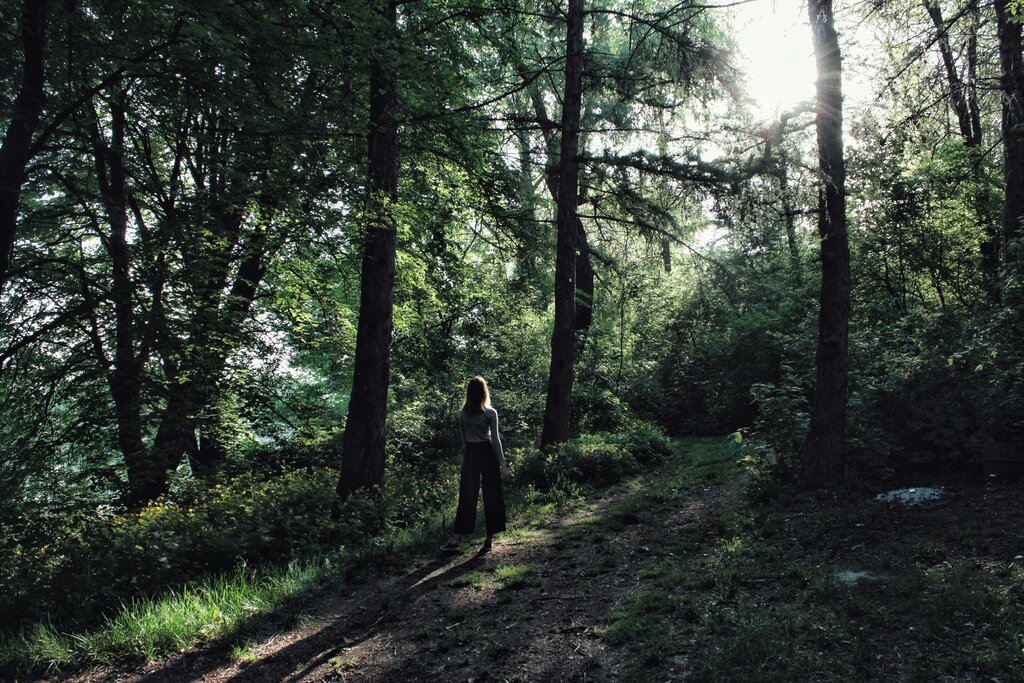
You can do it anywhere—in a park, down a quiet hallway at work, or even in your own backyard. The goal isn't to cover distance, but to cultivate awareness and harmony in movement. It's a simple, powerful tool for improving both physical balance and mental clarity.
Ready to test what you've learned about the fundamentals of this practice?
What were the original roots of Tai Chi?
According to the text, what is the primary goal of Tai Chi walking?