Tai Chi for Beginners Over 40
Introduction to Tai Chi
Meditation in Motion
Tai Chi is an ancient Chinese practice that looks like a slow, graceful dance. But it's more than just movement. It’s a mind-body exercise that combines gentle physical activity with mental focus, earning it the name "meditation in motion."
Originally developed as a martial art, Tai Chi has evolved into a powerful practice for promoting health and longevity. It involves a series of flowing postures that are performed in a slow, focused manner, coordinated with deep breathing.
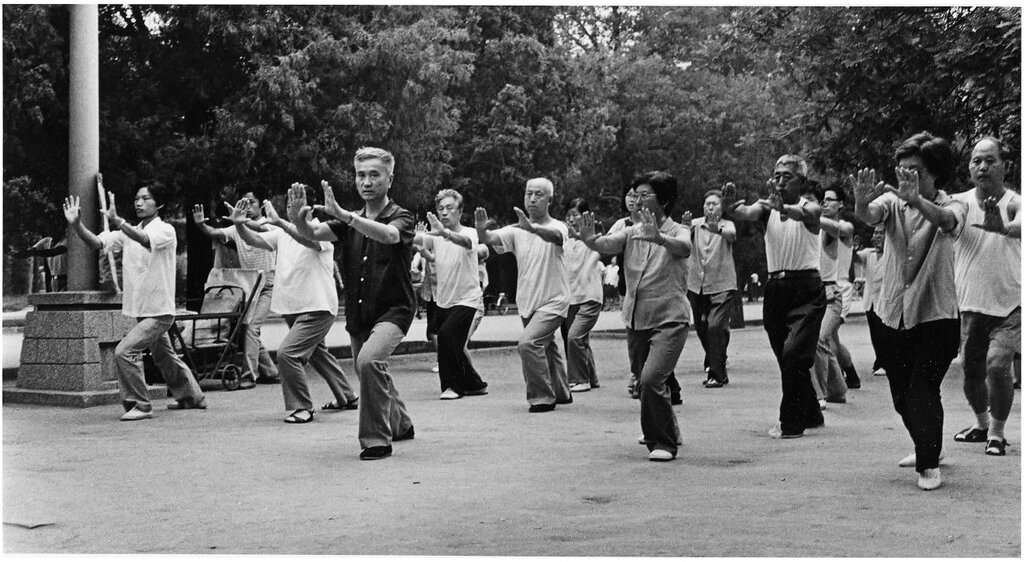
Tai Chi, also called Shadow Boxing, is a traditional Chinese martial art and mind-body practice characterized by slow, deliberate movements, rhythmic breathing, and mindfulness to promote physical health, mental relaxation, and spiritual well-being.
From Martial Art to Health Practice
The exact origins of Tai Chi are debated, but it's believed to have roots in Daoist philosophy and traditional Chinese medicine stretching back centuries. The full name, T'ai Chi Ch'üan, reflects its dual nature.
Supreme Ultimate Fist
This name points to its beginnings as a formidable self-defense system. Over time, however, its health benefits became more widely recognized. Practitioners discovered that the same principles that made it an effective martial art also made it an excellent tool for cultivating internal energy, or Qi, and improving overall wellness.
The Core Principles
Tai Chi is built on a few fundamental ideas. The most important is relaxation. Movements are never forced; they are soft, circular, and continuous. This gentleness allows for better circulation and reduces stress on the joints.
Balance is central to the practice. You learn to shift your weight smoothly from one foot to the other, developing a strong sense of grounding and stability. This isn't just physical balance, but also a mental and emotional equilibrium.
Mindfulness is woven into every posture. The practice demands your full attention, asking you to focus on the sensations in your body and the rhythm of your breath. This helps quiet the mind and brings a sense of inner calm.
Qi
noun
The circulating life force or vital energy that is thought to be inherent in all things, according to traditional Chinese culture.
The slow, deliberate movements help you become deeply aware of your body, cultivating a connection between your mind and your physical self.
Benefits After 40
While Tai Chi is beneficial for all ages, it offers particular advantages for those over 40. As we age, maintaining balance, flexibility, and muscle strength becomes increasingly important for preventing falls and staying active.
Studies have shown that regular Tai Chi practice can significantly improve balance and reduce the risk of falls in older adults. The slow, weight-bearing movements strengthen the muscles in the legs and core, while the focus on posture improves stability.
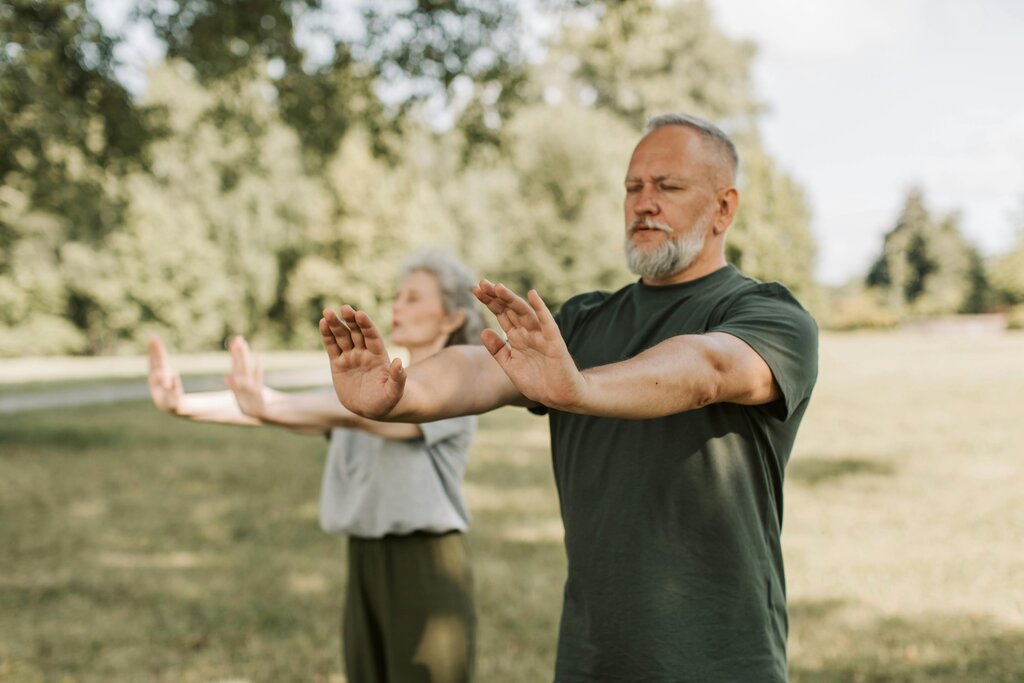
Beyond the physical, Tai Chi is a powerful stress-reliever. The combination of gentle movement, deep breathing, and mental focus helps lower blood pressure and reduce anxiety. It provides a quiet space to disconnect from daily pressures and reconnect with yourself.
The benefits of doing tai chi for seniors are numerous, including improved balance, strength, flexibility, and mental clarity, all of which are crucial for maintaining autonomy and preventing falls.
Finding Your Style
There isn't just one type of Tai Chi. Over the centuries, different masters developed their own approaches, leading to several distinct styles. Each has its own flavor, but all share the same core principles.
| Style | Characteristics |
|---|---|
| Yang | The most popular style, known for its large, gentle, and slow movements. Great for beginners. |
| Chen | The oldest style, mixing slow movements with faster, explosive ones. More physically demanding. |
| Wu | Features smaller, more compact movements with a slight forward lean. Emphasizes internal energy. |
| Sun | A younger style that incorporates movements from other martial arts. It's known for its lively steps. |
Choosing a style isn't as important as finding a good teacher and a class that feels right for you. Many community centers and parks offer beginner-friendly classes that focus on the health aspects of the practice.
Ready to check your understanding?
What is Tai Chi often called, reflecting its combination of gentle physical activity and mental focus?
Tai Chi was originally developed as a gentle exercise for relaxation and has no connection to martial arts.
Tai Chi is a journey, not a destination. It offers a gentle yet profound way to improve your health, calm your mind, and move through life with greater balance and ease.