T'ai Chi and Yoga for Belly Fat Reduction
Understanding Belly Fat
The Two Types of Belly Fat
Not all fat is created equal. The fat around your midsection comes in two main varieties: subcutaneous and visceral.
Subcutaneous fat is the pinchable layer just beneath your skin. It's the fat you can feel. While having too much of it isn't ideal, it's less harmful than its deeper counterpart.
Visceral fat is the real troublemaker. It lies deep within your abdominal cavity, wrapping around your vital organs like the liver, stomach, and intestines. You can't see or pinch it, but it poses significant health risks. Think of it like packing material that's started to take over, crowding your organs and releasing harmful substances.
This deep-lying visceral fat isn't just passive storage. It's an active endocrine organ that secretes hormones and inflammatory proteins called cytokines. These substances can disrupt your body's normal functions and increase your risk for serious health problems.
Stress and Cortisol
Lifestyle choices like a diet high in sugar and processed foods, along with a lack of physical activity, are well-known contributors to fat gain. But there's a powerful psychological factor at play, too: stress.
When you're under chronic stress, your body is in a constant state of high alert. This triggers the release of a hormone called cortisol from your adrenal glands. While cortisol is useful in short bursts for "fight or flight" situations, consistently high levels can have negative effects.
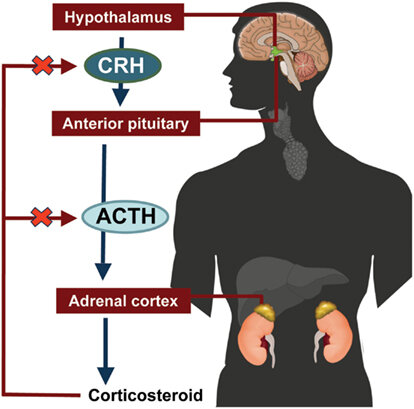
One of cortisol's key jobs is to replenish your energy stores after a stressful event. It does this by increasing your appetite for high-calorie foods and signaling your body to store fat. Unfortunately, it has a preference for storing that fat in one specific place: your abdomen. Over time, chronic stress and elevated cortisol can lead to a significant buildup of visceral fat.
Chronic stress can lead to an increase in cortisol, which may also play a role in the accumulation of visceral fat, according to Dr. Gidwani.
The Health Risks
Excess abdominal fat is more than a cosmetic concern. Because visceral fat is so metabolically active, it directly contributes to a range of chronic diseases. The inflammatory cytokines it releases can promote insulin resistance, which is a precursor to type 2 diabetes. This happens when your body's cells stop responding properly to insulin, leading to higher blood sugar levels.
These inflammatory substances also contribute to higher levels of 'bad' LDL cholesterol and triglycerides in your blood, while lowering 'good' HDL cholesterol. This combination, along with increased blood pressure, significantly raises the risk of cardiovascular diseases like heart attacks and strokes.
This cluster of conditions—high blood sugar, high blood pressure, abnormal cholesterol levels, and excess belly fat—is known as metabolic syndrome. It's a serious diagnosis that dramatically increases your likelihood of developing heart disease, stroke, and diabetes.
Let's check your understanding of these concepts.
Which type of fat is the pinchable layer located just beneath the skin?
Chronic stress contributes to the accumulation of visceral fat primarily through the action of which hormone?
Understanding the roles of visceral fat and cortisol is the first step toward addressing belly fat. It's not just about what you eat, but also how you manage stress and other lifestyle factors.