T-Cell Immunology Explained
Introduction to the Immune System
Your Body's Defense Team
Your body is constantly under attack. Microscopic invaders like bacteria, viruses, and fungi are always trying to get in. Fortunately, you have a sophisticated, built-in security system working 24/7 to protect you. This is your immune system, a complex network of cells, tissues, and organs that work together to keep you healthy.
The primary role of the immune system is to defend the body against foreign invaders or abnormal cells that invade or attack it.
Think of it as a multi-layered defense force. The first line of defense is physical, like your skin, which acts as a barrier. Mucus in your nose and throat traps invaders, and stomach acid can destroy pathogens you swallow. But what happens when something gets past these initial walls?
Two Branches of Immunity
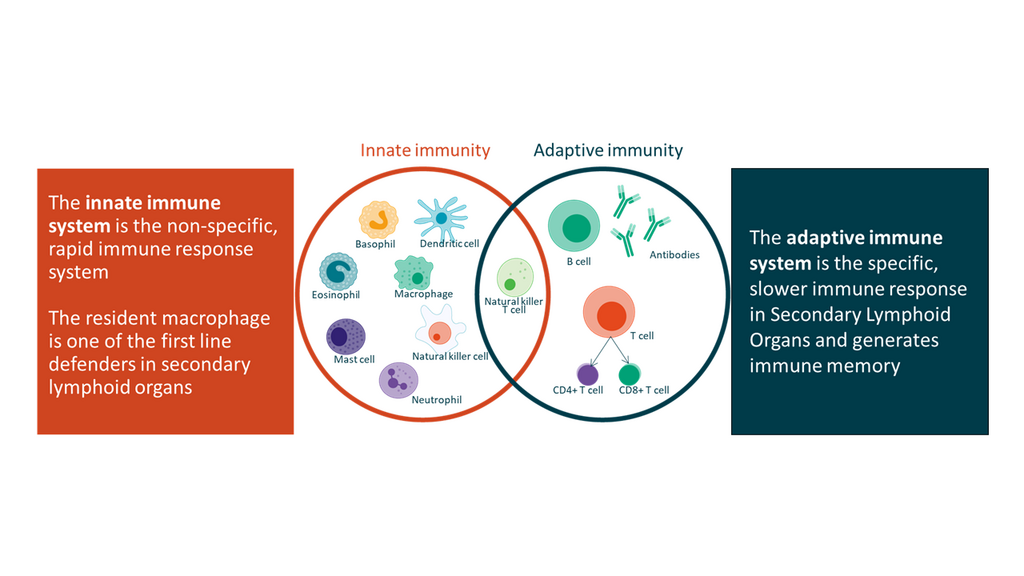
When pathogens breach your physical barriers, the next levels of your immune system kick in. This internal defense system is divided into two main branches: the innate immune system and the adaptive immune system. They work together, but they have very different strategies.
pathogen
noun
A bacterium, virus, or other microorganism that can cause disease.
The innate immune system is your rapid response team. It's the first to the scene of an infection and is always ready to fight. It's nonspecific, meaning it attacks any foreign invader it encounters in the same general way. It doesn't remember past infections; it just recognizes common features of pathogens and goes on the attack.
The adaptive immune system is the specialist force. It's slower to respond the first time it meets a new pathogen, but its response is highly specific and powerful. Crucially, it has a memory. After defeating an invader, it remembers it, allowing for a much faster and stronger response if that same pathogen ever returns. This is why you usually only get sick from certain viruses, like chickenpox, once.
Meet the Immune Cells
Your immune system's power comes from a diverse army of specialized white blood cells. Each type has a unique job in the fight against infection. Let's meet some of the key players.
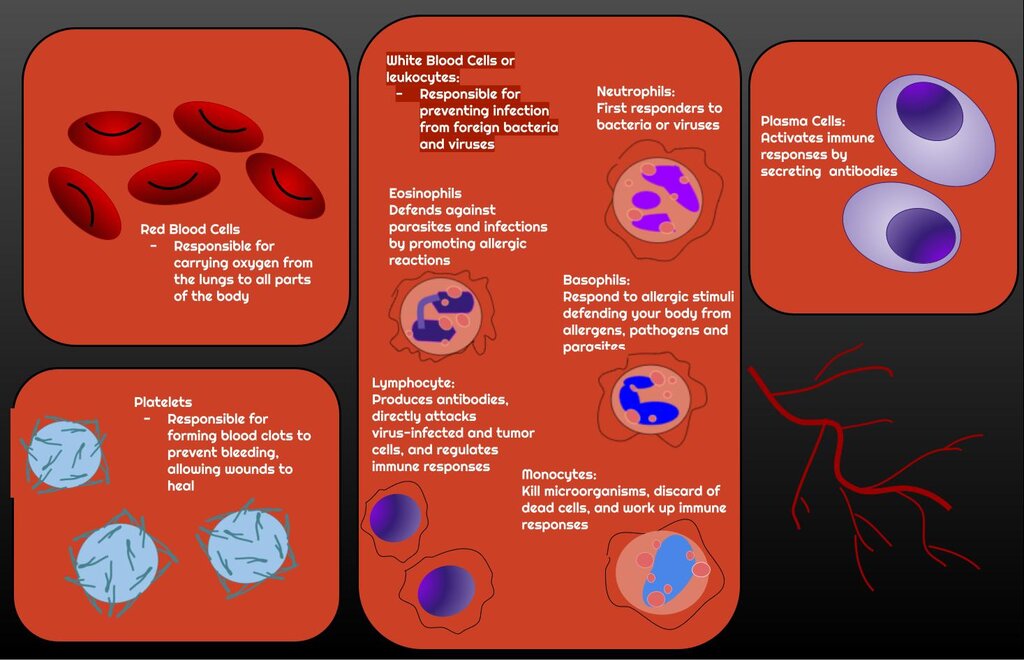
First are the cells of the innate system, the frontline responders:
- Phagocytes: This is a category of cells that act like Pac-Man, engulfing and digesting pathogens. The most common type is the neutrophil, which is often the first to arrive at an infection. Macrophages are larger phagocytes that not only eat invaders but also clean up dead cells and debris.
- Natural Killer (NK) Cells: These cells don't attack pathogens directly. Instead, they patrol the body looking for our own cells that have become infected by viruses or have turned cancerous. When they find one, they destroy it to stop the problem from spreading.
Then there are the specialists from the adaptive system:
- Lymphocytes: These are the masterminds of the adaptive response. There are two main types. B cells are responsible for creating proteins called antibodies that latch onto pathogens, marking them for destruction. T cells have several jobs, including helping to activate B cells and directly killing infected cells.
A key link between the two systems are dendritic cells. These cells act as messengers. After engulfing a pathogen, a dendritic cell travels to a lymph node and presents pieces of the invader to T cells, activating the adaptive immune response.
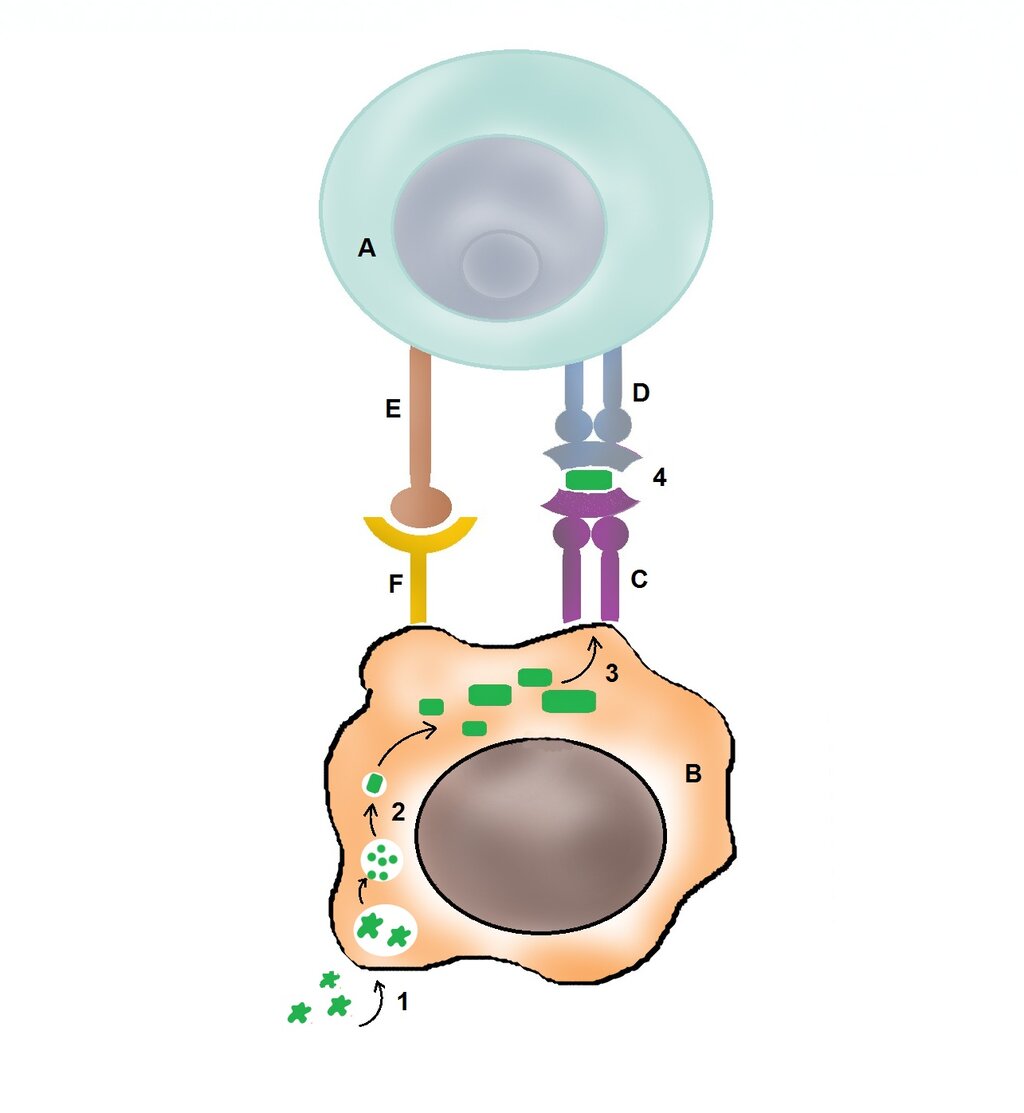
Together, these cells coordinate a sophisticated defense. The innate system holds the line and sounds the alarm, while the adaptive system develops a targeted, long-lasting solution. This teamwork ensures your body can handle a vast range of threats, from a common cold virus to a bacterial infection.
What is the primary characteristic that distinguishes the adaptive immune system from the innate immune system?
Which type of cell is responsible for producing proteins called antibodies that mark invaders for destruction?