Systems Thinking for Goal Achievement
Understanding New Year's Resolutions
The Resolution Rut
It’s a familiar story. The calendar flips to January 1st, full of promise. You set a goal: this is the year you’ll finally learn to code, get in shape, or read a book a week. For a few days, or maybe even a few weeks, you’re on track. But then, life gets in the way. By February, the resolution is a distant memory.
This cycle of excitement followed by disappointment is incredibly common. The failure isn't usually due to a lack of desire. People genuinely want to improve. The problem lies in the way we frame and approach these yearly goals.
Aiming Too High, Too Soon
One of the biggest culprits is setting unrealistic expectations. We often overestimate what we can accomplish in a short time. A person who rarely exercises might resolve to hit the gym seven days a week. Someone who orders takeout most nights might decide to cook every single meal from scratch.
These all-or-nothing goals demand a huge, sudden shift in behavior and willpower. They don't account for our existing habits, energy levels, or the simple fact that change is hard. This approach often leads to burnout and a sense of failure. When you inevitably miss a day, it feels like you've broken your streak and derailed the entire effort.
Setting a goal to run a marathon is great. Trying to run it next week with no training is a recipe for failure.
A Goal Without a Plan
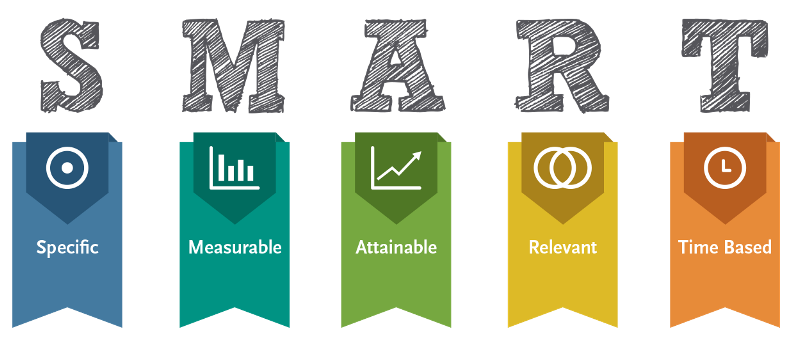
Another major pitfall is vagueness. Resolutions like “be healthier” or “get organized” sound good, but they lack direction. What does “healthier” actually mean? Does it mean walking 10,000 steps a day? Cutting out sugar? Getting more sleep? Without specifics, there’s no clear path forward and no way to measure progress.
A resolution is just a wish without a concrete plan. To be effective, a goal needs structure. It needs to be broken down into smaller, manageable actions. Most resolutions are just the finish line, with no map showing how to get there.
Your Environment Matters
We don’t pursue goals in a vacuum. Our surroundings and social circles play a huge role in our success. If your goal is to save money but your friends plan expensive outings every weekend, you’ll face constant temptation and pressure. If you want to eat healthier but your pantry is stocked with junk food, you're making the task unnecessarily difficult.
Accountability is another key piece. When you keep a resolution to yourself, it’s easy to let it slide. There are no consequences for giving up. Sharing your goal with a supportive friend or family member can create a simple but powerful accountability system. Without that support, it’s just you against your old habits, and old habits are tough to break.
Understanding these common failure points is the first step. By recognizing why resolutions often fall apart, we can start to see the need for a different approach to building lasting habits.