Systems Engineering for Agent Design
Introduction to Systems Engineering
Seeing the Whole Picture
Imagine building a modern car. You need experts in engines, electronics, aerodynamics, and safety. If the engine team builds a powerhouse motor, but the chassis team designs a frame that can't handle it, you have a problem. If the electronics team creates a brilliant infotainment system that drains the battery, you have another problem.
Systems engineering is the discipline that prevents these problems. It’s not about designing a single component, but about making sure all the components work together harmoniously to achieve a common goal. It’s the art and science of designing and managing complex systems over their entire life cycles.
Engineers must consider how different components interact within a system rather than focusing only on individual parts.
This means thinking about everything from the initial idea to the final disposal. A systems engineer asks questions like: What is this system supposed to do? Who will use it? What environment will it operate in? How will we test it? What happens when it breaks? How do we retire it safely?
It’s a holistic approach that focuses on the big picture, ensuring that the final product is more than just the sum of its parts. It's reliable, efficient, and actually meets the user's needs.
Where Did It Come From?
The ideas behind systems engineering have been around for a long time. Think of the complex aqueduct systems of ancient Rome or the intricate construction of cathedrals. These projects required careful planning and integration of different skills and materials.
However, the formal discipline of systems engineering emerged in the 20th century. Early pioneers at Bell Telephone Laboratories developed methods to manage the complexity of the growing nationwide telephone network in the 1940s.
The field truly took off during the Cold War. Organizations like NASA and the U.S. military needed a way to manage massive, high-stakes projects like the Apollo program and intercontinental ballistic missile systems. Failure was not an option, and these projects involved thousands of people and millions of interconnected parts. Systems engineering provided the structured approach needed to succeed.
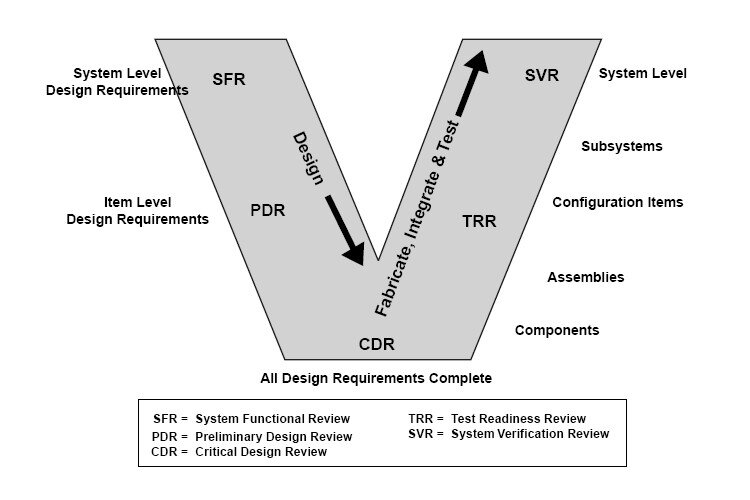
Since then, systems engineering has spread far beyond aerospace and defense. It's now crucial in industries like software development, healthcare, automotive manufacturing, and sustainable energy. Anytime you have a complex problem that requires integrating technology, people, and processes, systems engineering is at the core of the solution.
A Team Sport
No single person can be an expert in every aspect of a complex system. That's why collaboration is fundamental to systems engineering. It serves as the glue that binds together specialists from many different fields.
A project might involve:
- Mechanical engineers designing the physical structure.
- Electrical engineers working on power systems.
- Software engineers writing the code.
- Human factors experts ensuring it's usable.
- Project managers keeping everything on schedule and budget.
- Customers and end-users who define what the system needs to do.
Systems engineering facilitates the communication and coordination between all these groups. It creates a common language and framework so that everyone is working towards the same objectives, understands the trade-offs, and sees how their piece fits into the larger puzzle.
By bringing these diverse perspectives together in a structured way, systems engineering helps teams anticipate problems, manage complexity, and ultimately build better, more reliable products.
What is the primary goal of systems engineering?
The formal discipline of systems engineering saw its most significant growth and application due to the demands of which mid-20th century endeavor?
This structured, collaborative approach is essential for tackling the kinds of complex challenges we face today.