Systems Engineering and the Digital Thread
Introduction to Systems Engineering
What Is Systems Engineering?
Imagine building a modern car. You have an engine team, a software team for the infotainment system, a design team for the body, and an electrical team for the wiring. If these teams work in isolation, you might end up with an engine that doesn't fit the frame or a computer that drains the battery. The car, as a whole, wouldn't work.
Systems engineering is the discipline that prevents this chaos. It's an interdisciplinary approach that focuses on how to design, create, and manage complex systems over their life cycles. Its main job is to make sure all the different parts of a project fit together and work as a single, effective whole.
Think of a systems engineer as the conductor of an orchestra. Each musician is an expert on their instrument, but the conductor ensures they all play together in harmony to create a beautiful symphony.
The Big Picture Approach
At its core, systems engineering is about seeing the forest, not just the individual trees. This is called systems thinking. Instead of breaking a problem down into the smallest possible components and solving for each one separately, systems thinking encourages you to look at the connections and interactions between all the parts. It's a holistic way to solve problems.
This approach helps engineers anticipate issues that might not be obvious when looking at a single component. For example, a decision to use a lighter material for a car's body might save fuel, but a systems thinker would also ask: How does this affect crash safety? Does it increase manufacturing costs? Will it change how the car handles on the road?
Engineers must consider how different components interact within a system rather than focusing only on individual parts.
By asking these questions early, systems engineering ensures the final product meets all the needs of the stakeholders—the customers, the manufacturers, the maintenance crews, and anyone else involved.
The Systems Life Cycle
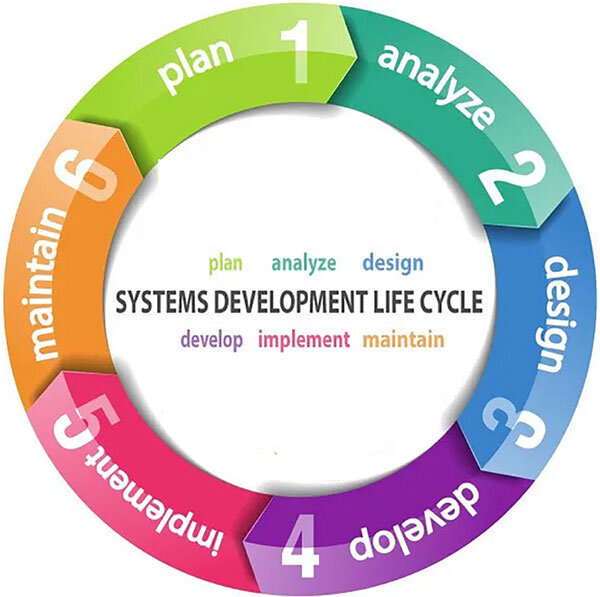
Systems aren't just built; they are born, they live, and they are eventually retired. Systems engineering manages this entire journey, known as the life cycle. While the details can vary, the process generally follows a few key stages.
-
Concept Development: This is the beginning, where the need for a system is identified. What problem are we trying to solve? Who is it for? Engineers define the system's goals and high-level requirements.
-
Design: Once the goals are clear, engineers begin designing the solution. This involves creating the architecture of the system, defining how different components will work together, and making key decisions about technology and materials.
-
Implementation: Here, the system is actually built. This is where the designs are turned into physical hardware, lines of code, or constructed facilities. The systems engineer's role is to ensure the pieces are integrated correctly.
-
Testing & Verification: The system is rigorously tested to ensure it meets the requirements defined in the early stages. Does it do what it's supposed to do? Is it reliable and safe? This phase is crucial for catching errors before the system is deployed.
-
Maintenance & Operation: After the system is deployed, it needs to be operated and maintained. This includes routine updates, fixing bugs, and eventually, planning for its retirement and replacement.
By managing the entire life cycle, systems engineering helps create products that are not only effective when they launch but also sustainable and manageable over the long term.
What is the primary goal of systems engineering?
The holistic approach of looking at the connections and interactions between all parts of a system, rather than just individual components, is called:
This structured, big-picture approach is what makes it possible to build the complex systems that power our world, from aircraft to the internet.