Systemic Racism and Resistance in Minnesota and the Nation
Federal Policy Evolution
The Collapse of Reconstruction
The promise of Reconstruction was anchored in federal law. The Civil Rights Act of 1866 established birthright citizenship and granted all persons the same rights to make and enforce contracts, sue, give evidence, and inherit, purchase, lease, sell, hold, and convey real and personal property. It was a direct countermeasure to the Black Codes enacted across the South. Its focus was on civil and economic personhood.
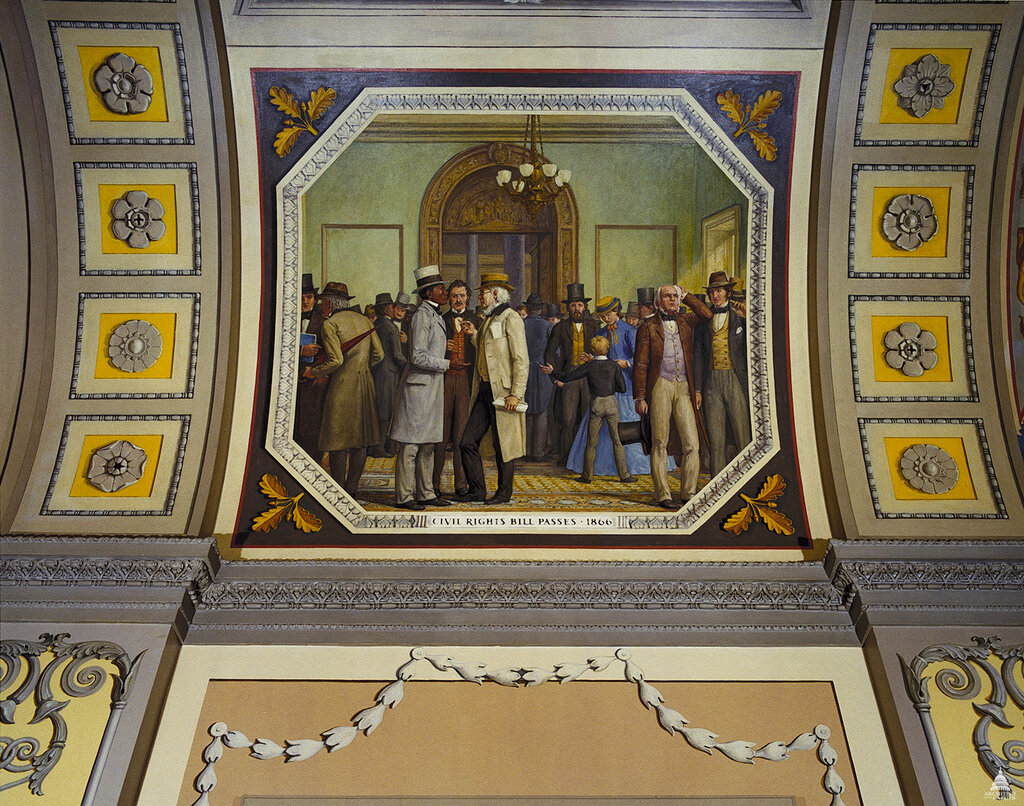
The Civil Rights Act of 1875 went further, aiming to desegregate public accommodations. It guaranteed all people, regardless of race or color, “the full and equal enjoyment of the accommodations, advantages, facilities, and privileges of inns, public conveyances on land or water, theaters, and other places of public amusement.” This law tackled social segregation, not just economic rights.
However, the Supreme Court declared the 1875 act unconstitutional in the Civil Rights Cases of 1883. The Court argued the Fourteenth Amendment did not empower Congress to regulate private discrimination. This ruling effectively gutted federal protections against segregation by private businesses and individuals, opening the door for states to codify racial separation.
The legal foundation for Jim Crow was solidified in [{
}] (1896). The Supreme Court upheld a Louisiana law requiring separate railway cars for Black and white passengers, establishing the "separate but equal" doctrine. This legal fiction justified decades of state-mandated segregation, asserting that racial separation did not imply racial inferiority. In practice, separate was never equal.
Architects of Disparity
The New Deal's programs, while providing a crucial safety net during the Great Depression, also embedded racial discrimination into national policy. The Social Security Act of 1935 is a prime example. By explicitly excluding agricultural and domestic workers from its old-age insurance and unemployment benefits, the act denied coverage to a majority of the nation's Black workforce, particularly in the South. This was a direct concession to Southern Democrats who sought to maintain the existing racial and economic hierarchy.
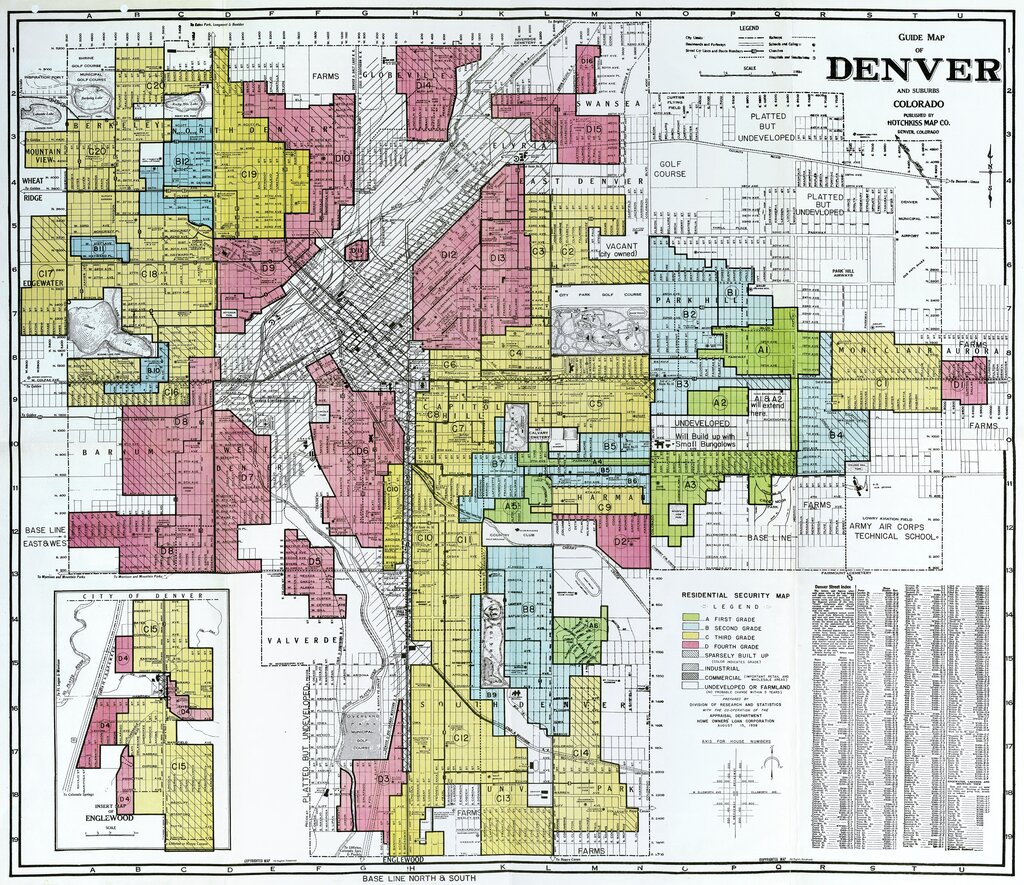
Simultaneously, the federal government began to systematically shape the geography of racial segregation through housing policy. The (FHA), created in 1934, insured private mortgages to make homeownership accessible. But this access was not universal. The FHA's Underwriting Manual explicitly instructed appraisers to consider racial composition when evaluating loan risk.
The manual warned against "inharmonious racial groups" and recommended using highways and other physical barriers to separate Black neighborhoods from white ones. FHA-backed loans were systematically denied for homes in or near Black communities, a practice that decimated property values and locked Black families out of the primary engine of American wealth creation: home equity.
Post-War Policies
The postwar era continued this pattern. The Servicemen's Readjustment Act of 1944, or , is lauded for creating the American middle class. It offered veterans low-interest mortgages, tuition assistance for college, and unemployment benefits. However, its implementation was delegated to state and local authorities, many of which were deeply segregated.
Black veterans were systematically denied access to the very benefits they had earned. They were shut out of the suburban housing boom fueled by FHA and VA-backed loans and often barred from attending the universities their white counterparts entered in droves. This racialized implementation ensured that the largest social welfare program in American history widened, rather than narrowed, the racial wealth gap.
The flaws in that historic legislation created deeply-entrenched racial and financial inequities that persist to the present day — something I’ve witnessed first hand over more than two decades working in planning, urban resilience, economic and community development in multiple major US cities.
These federal policies, from the Supreme Court's retreat on civil rights to the structural biases of New Deal and postwar legislation, created the national framework for systemic inequality. They codified segregation, weaponized credit, and deliberately excluded Black Americans from the pathways to prosperity opened to white citizens. This macro-context is the foundation upon which more localized patterns of disparity were built.
What was the primary focus of the Civil Rights Act of 1866?
The Supreme Court's decision in the Civil Rights Cases of 1883 declared the Civil Rights Act of 1875 unconstitutional. What was the Court's reasoning?