Systematic Anatomy Explained
Introduction to Systemic Anatomy
A Systems Approach
The human body is incredibly complex. To make sense of it all, we can study it from different perspectives. One of the most effective methods is systemic anatomy. Instead of memorizing every individual part in a region, we group organs together based on what they do. This is like organizing a library by genre rather than by the color of the book covers.
An organ system is a group of organs that work together to perform major functions or meet physiological needs of the body.
Think of your body as a highly efficient company. Each department, or organ system, has a specific set of responsibilities. The mailroom (circulatory system) handles deliveries, the security team (integumentary system) protects the building, and the communications department (nervous system) sends messages to coordinate everything. No single department can run the company alone. They all have to work together.
The Major Systems
Let's meet the main departments of the human body. There are about eleven major organ systems, each with a unique role. While we won't dive deep into their mechanics just yet, it's helpful to know who the key players are.
This list gives you a roadmap of the body. We start with the outer layer (integumentary system) and the body's framework (skeletal and muscular systems). Then we move to the control systems (nervous and endocrine). Finally, we cover the systems that transport substances, process energy, remove waste, and ensure continuation of the species.
A Network of Systems
No organ system is an island. They are constantly communicating and collaborating to maintain a stable internal environment, a state called homeostasis. This teamwork is essential for survival.
Imagine you start jogging. Your muscular system needs more oxygen. Your nervous system detects this and signals your respiratory system to breathe faster and your circulatory system to pump blood more quickly. Your integumentary system sweats to cool you down. This complex coordination happens automatically, all thanks to the interconnections between your body's systems.
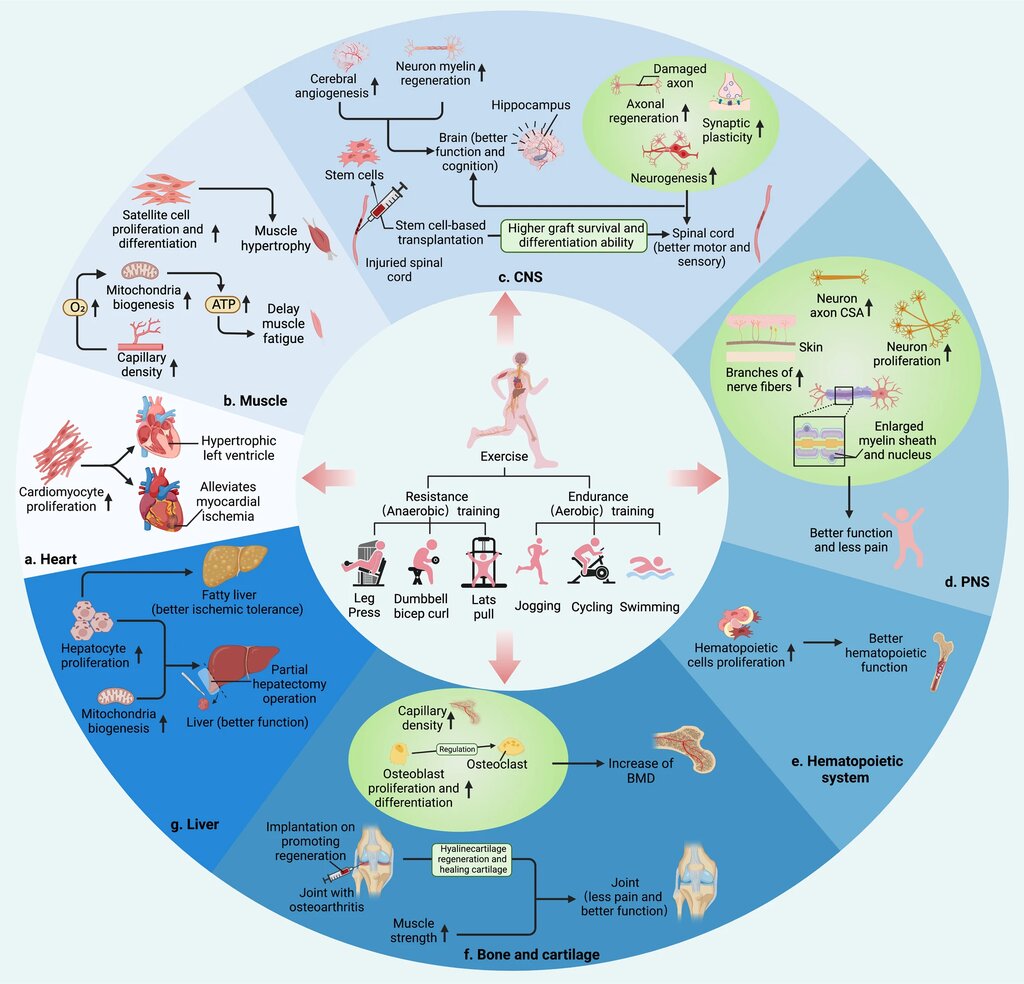
Here's another example: eating a meal.
- Your digestive system breaks down the food into nutrients.
- The circulatory system absorbs these nutrients and transports them to all your cells.
- Your endocrine system releases hormones like insulin to help your cells use the glucose from your meal.
- The urinary system filters waste products from the blood that result from using these nutrients.
Every simple action you take involves a chain reaction across multiple systems. Understanding these relationships is the key to understanding how the human body functions as a whole.
Ready to check your understanding of this big-picture view?
Systemic anatomy is an approach to studying the human body that focuses on:
Which state of stable internal balance is the primary goal of the constant collaboration between organ systems?
Studying the body by its systems provides a logical framework. As we explore each system in more detail, remember to always consider how it connects to the others in this intricate network.