System Design Fundamentals
Introduction to System Design
What Is System Design?
System design is the process of creating a blueprint for a software system. Think of it like an architect designing a house. Before anyone lays a single brick, the architect creates detailed plans that show how every room, window, and electrical outlet will work together. This blueprint ensures the final house is functional, safe, and meets the owner's needs.
In software, system design serves the same purpose. It's where we make high-level decisions about the structure and behavior of the system. We define the components, how they interact, and the data that flows between them. Without a solid design, a software project can quickly become a chaotic mess that's difficult to build, impossible to change, and prone to breaking.
System Design is the process of architecting a system so that all functional and non-functional requirements are met, including APIs, use cases, and integrations.
The Goals of Good Design
Every well-designed system aims to achieve a few key objectives. These goals guide our decisions and help us evaluate trade-offs. The three most important are scalability, reliability, and maintainability.
Scalability
noun
The system's ability to handle a growing amount of work or its potential to be enlarged to accommodate that growth.
A scalable system can grow without breaking a sweat. Imagine a small online store that suddenly becomes popular. If the system is scalable, it can handle the surge in traffic and orders by adding more resources. If not, the website will crash, leading to lost sales and unhappy customers. Scalability ensures your system can adapt to success.
Reliability means the system works as expected and is resilient to failure. A reliable system is like a trustworthy car that starts every morning. Users should be able to depend on your service to be available and correct. This involves anticipating potential problems, like a server crashing, and designing ways to recover from them gracefully.
Maintainability refers to how easily the system can be modified or repaired. A maintainable system makes it simple for developers to fix bugs, add new features, or upgrade components. Clear organization and well-defined parts are crucial. It's the difference between a car with an easily accessible engine and one where you have to take apart half the vehicle to change the oil.
Starting the Design Process
The design process begins long before we draw any diagrams. It starts with understanding the problem we're trying to solve. The first two steps are gathering user requirements and defining system boundaries.

User requirements are the foundation of the entire system. We must first understand what the users need the system to do. What are their goals? What problems are they facing? This involves talking to users, analyzing their workflows, and clearly documenting the functional requirements (what the system does) and non-functional requirements (how the system performs, like its speed or security).
Once we know the requirements, we must define the system boundaries. This means deciding what is part of our system and what is not. For example, if we're building an e-commerce site, is the payment processing part of our system, or do we rely on an external service like Stripe? Defining these boundaries clarifies the scope of the project and prevents it from growing uncontrollably.
Architectural Patterns as Blueprints
After understanding the requirements and boundaries, we can start thinking about the system's structure. We don't have to invent everything from scratch. Just as architects use common layouts for houses (like a ranch or a colonial), software engineers use architectural patterns.
Architectural patterns are general, reusable solutions to commonly occurring problems within a given context in software design. They are templates for how to structure a system.
These patterns provide proven solutions for different types of problems. For example, some patterns are great for systems that process massive amounts of data, while others are ideal for applications that need to respond to user requests in real-time. Choosing the right pattern provides a solid foundation and helps ensure the system meets its goals for scalability, reliability, and maintainability. It’s about applying time-tested solutions to new problems.
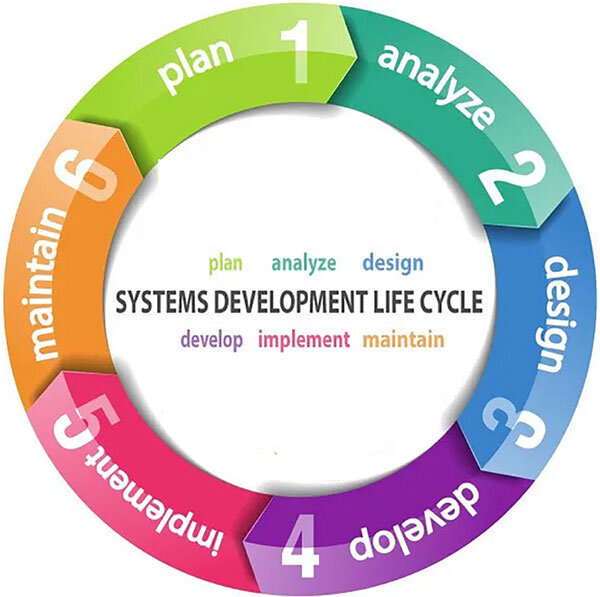
System design is fundamentally about making deliberate choices and understanding their consequences. By focusing on clear goals, understanding user needs, and using established patterns, you can create systems that are robust, flexible, and built to last.
Ready to check your understanding?
Which of the following best describes the primary purpose of system design?
A system's ability to be easily modified to fix bugs or add new features is known as __________.
This first look at system design covers the core ideas you'll need as you dive deeper. It's all about planning before you build.