System Design Fundamentals
Introduction to System Design
What is System Design?
System design is the process of creating a blueprint for a software system. Think of it like an architect designing a house. Before anyone starts pouring concrete or putting up walls, the architect creates a detailed plan that outlines the structure, the layout of the rooms, the electrical wiring, and the plumbing. This plan ensures that the final house is sturdy, functional, and meets the owner's needs.
In the software world, system design does the same thing. It defines the system's architecture, its components, and how they all interact with each other. A good design ensures the system can handle a growing number of users (scalability), operates without crashing (reliability), and is easy to update and fix (maintainability). Without a solid design, a system might work for a while, but it will eventually become slow, buggy, and difficult to manage.
System design is the process of designing the architecture, components, modules, interfaces, and data for a system to satisfy specified requirements.
Starting with Requirements
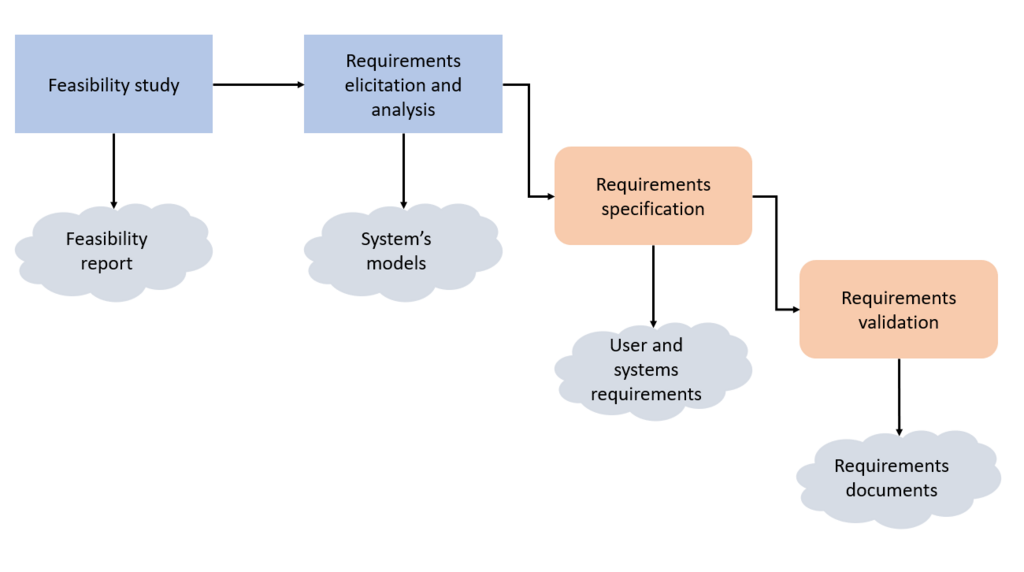
Every design process begins with a simple question: What does this system need to do? The answers are called requirements. These fall into two main categories: functional and non-functional.
Functional requirements describe what the system does. For a photo-sharing app, a functional requirement might be: "Users must be able to upload a photo."
Non-functional requirements describe how the system should perform. For the same app, a non-functional requirement could be: "The photo upload must complete in under two seconds," or "The system must support one million active users simultaneously."
Once you know the requirements, you must define the system's boundaries. This means deciding what is part of your system and what isn't. For example, is the payment processing system that handles premium subscriptions part of your photo app, or is it an external service you connect to? Defining these boundaries helps keep the design focused and manageable.
Key Design Principles
Good system design follows a few core principles that help create clean, efficient, and adaptable systems. These aren't strict rules but guiding ideas that lead to better architectural decisions.
Separation of Concerns
other
The principle of breaking a system into distinct parts, where each part handles a specific function or concern.
Imagine a kitchen. You have a refrigerator for keeping food cold, a stove for cooking, and a sink for washing dishes. Each appliance has one primary job. This is separation of concerns. In system design, this means a component that handles user authentication shouldn't also be responsible for processing payments. This makes the system easier to understand, test, and maintain. If the payment logic needs to change, you only have to modify the payment component.
Another key principle is minimizing dependencies, often called loose coupling. This means that components should know as little about each other as possible. If the stove in your kitchen breaks, you can still use the refrigerator and the sink. They are not tightly dependent on each other. In software, if the user authentication service goes down, a loosely coupled system would still allow users to browse public content. This reduces the risk that a failure in one part of the system will bring down the entire application.
Finally, it's crucial to design for flexibility. Business needs change, new technologies emerge, and user expectations evolve. A flexible system is one that can adapt to these changes without requiring a complete rewrite. This might involve using standardized communication protocols between services or designing components in a way that they can be easily replaced or upgraded. Building for the future means you don't have to start from scratch every time a new requirement comes along.
Let's test your understanding of these foundational concepts.
What is the primary purpose of system design in software development?
An e-commerce website has a dedicated service that only handles user authentication (login and registration). This service does not manage product inventory or process payments. This is an example of which design principle?
These principles and practices form the bedrock of effective system design. By starting with clear requirements and applying these core ideas, you can build systems that are not just functional but also robust and ready for the future.