System Design for Video Streaming Platforms
Video Ingestion and Processing
The Journey of a Video
When you upload a video, you’re not just sending a single file to a server. You're kicking off a complex, automated process designed to make your video playable for anyone, anywhere, on any device. It all starts with the upload workflow, the digital front door for your content.
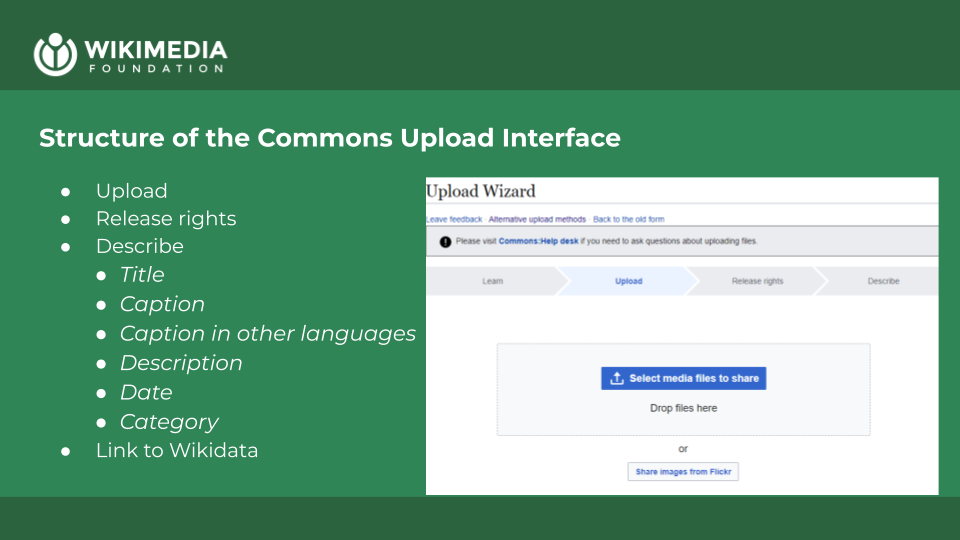
The initial file you upload is the high-quality master copy. But that single file isn't what people will eventually watch. A phone on a slow 3G connection can't handle the same massive 4K video file as a smart TV on a fast fiber connection. To solve this, platforms immediately begin a process of transformation.
One File, Many Versions
Once your video arrives, the first major step is transcoding. Think of it like creating different versions of a book: a large-print hardcover, a standard paperback, and a lightweight digital file for e-readers. Transcoding takes your original video and creates multiple copies, each tailored for a different scenario.
Transcoding
noun
The process of converting a digital video file from one format to another. This often involves changing the codec, resolution, and bitrate.
Each copy has a different resolution (like 1080p, 720p, 480p) and bitrate (the amount of data used to represent one second of video). A lower bitrate means a smaller file size, which is perfect for slower internet connections. This ensures smooth playback without constant buffering.
This process is part of a larger workflow called encoding, where the video is compressed to make it smaller and easier to stream. Modern video codecs are incredibly efficient at shrinking file sizes without sacrificing too much quality.
Giving the Video an ID
A video file alone isn't very useful. How would anyone find it? This is where metadata comes in. Metadata is the data about your video: its title, description, tags, and category. When you fill out these fields during the upload process, you're creating a digital identity card for your content.
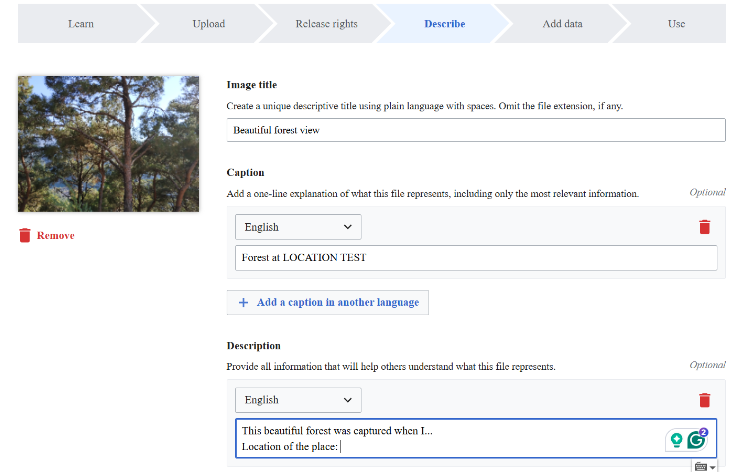
This information is crucial. It powers the platform's search engine and recommendation algorithms. A good title and description help the system understand what your video is about, so it can be shown to people who are likely to be interested.
All of this happens in a highly automated pipeline. From the moment you click 'upload', your video is passed through this workflow of ingestion, transcoding, and metadata processing. The end result is a set of video files and associated data, ready to be streamed to millions of viewers seamlessly.
What is the primary purpose of transcoding a video after it is uploaded?
Which of the following is an example of video metadata?
This complex, behind-the-scenes work is what makes a simple click on a play button possible.