System Design for Beginners
Introduction to System Design
What is System Design?
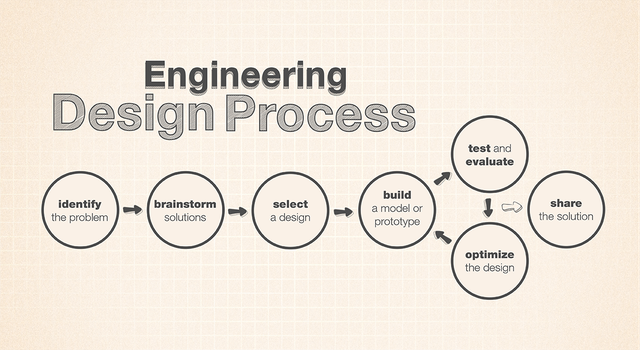
Think about building a house. You wouldn't just start laying bricks and hope for the best. You'd start with a blueprint. This blueprint shows where the rooms go, how the plumbing connects, and how the electrical wiring runs through the walls. It ensures everything works together before a single nail is hammered.
System design is the blueprint for software. It's the process of planning how all the different parts of an application will fit and work together to meet a specific goal. It’s about making high-level decisions, like choosing the right materials for a house, to ensure the final product is strong, efficient, and does what it's supposed to do.
System design is the process of defining the architecture, components, modules, and data flow of a system to satisfy specific requirements.
Whether it's a simple mobile app or a massive global service like a streaming platform, system design is the critical first step that maps out the entire structure.
Why Bother with a Blueprint?
A good blueprint prevents costly mistakes. Imagine building that house without a plan. You might end up with a bathroom on the wrong side of the house, too far from the water pipes. Fixing that later would be a huge, expensive headache.
It's the same with software. Without a solid design, a system might work for a few users, but it could crash when traffic suddenly spikes. It might be impossible to add a new feature without rewriting huge chunks of code. Good system design is about proactive problem-solving. It helps build applications that are not just functional today, but are also prepared for the future.
A well-thought-out system design is crucial for scalability, maintainability, and performance.
Core Principles of Good Design
Architects follow principles of physics and aesthetics to design good buildings. System designers follow a few key principles as well. Let's look at the three most important ones: scalability, reliability, and maintainability.
Scalability
noun
The ability of a system to handle a growing amount of work by adding resources.
Imagine a small bakery that makes amazing croissants. It gets so popular that the line is always out the door. To scale, the owner could hire more bakers, buy more ovens, or even open a new location. Scalability in software is similar. A scalable system can smoothly handle a surge in users or data. A photo-sharing app needs to be able to handle millions of users uploading pictures at the same time without slowing down or crashing. That's scalability in action.
Reliability
noun
The ability of a system to perform its required functions under stated conditions for a specified period of time.
A reliable system is one you can count on. It's like a car that starts every single morning, no matter what. You expect your email to be there when you log in and your bank's app to show your correct balance. Reliability means building a system that is resilient to failure. If one part breaks, the rest of the system can keep running, or at least recover quickly. It’s about ensuring the service is consistently available and correct.
Maintainability
noun
The ease with which a software system or component can be modified to correct faults, improve performance, or adapt to a changed environment.
Systems are never truly "finished." They need updates, bug fixes, and new features. Maintainability is about how easy it is for engineers to make those changes. Think of it like a well-organized toolbox. When every tool has its place, it's easy to find what you need and fix a problem. A maintainable system has clean, organized code and a logical structure, so developers can jump in and make improvements without breaking something else by accident.
The Building Blocks
A system is made up of different parts, or components, that work together. Each component has a specific job. In a food delivery app, you might have one component that handles user accounts, another that shows restaurant menus, and a third that processes payments.
These components need to communicate with each other effectively. This communication happens through something called an API (Application Programming Interface), which is like a standardized menu that one component uses to request information or actions from another. The design specifies what these components are, what they do, and how they talk to each other to fulfill a user's request.
Understanding these fundamental concepts is the first step into the world of system design. It's not about knowing how to code every piece, but about understanding the plan and the principles that ensure a system can grow, adapt, and be relied upon for years to come.