System Administration Fundamentals
Introduction to System Administration
The System's Guardian
Behind every smooth-running app, website, or office network, there’s a system administrator, often called a sysadmin. Think of them as the digital equivalent of a building superintendent. While tenants use the building, the superintendent works behind the scenes to make sure the electricity stays on, the plumbing works, and the structure is safe. Sysadmins do the same for our digital world.
A system administrator is a professional who maintains computer systems, servers, and networks of their clients.
Their job is a blend of planning, maintenance, and problem-solving. A sysadmin’s daily tasks can vary wildly, but they generally revolve around a few core responsibilities:
- User Management: Creating, modifying, and deleting user accounts and permissions.
- Software Installation & Updates: Installing new software and applying patches to keep everything current and secure.
- System Monitoring: Watching the performance of the IT infrastructure to catch problems before they affect users.
- Backups and Recovery: Ensuring that important data is regularly backed up and can be restored if something goes wrong.
- Troubleshooting: Acting as the first line of defense when a system fails or a user runs into an issue.
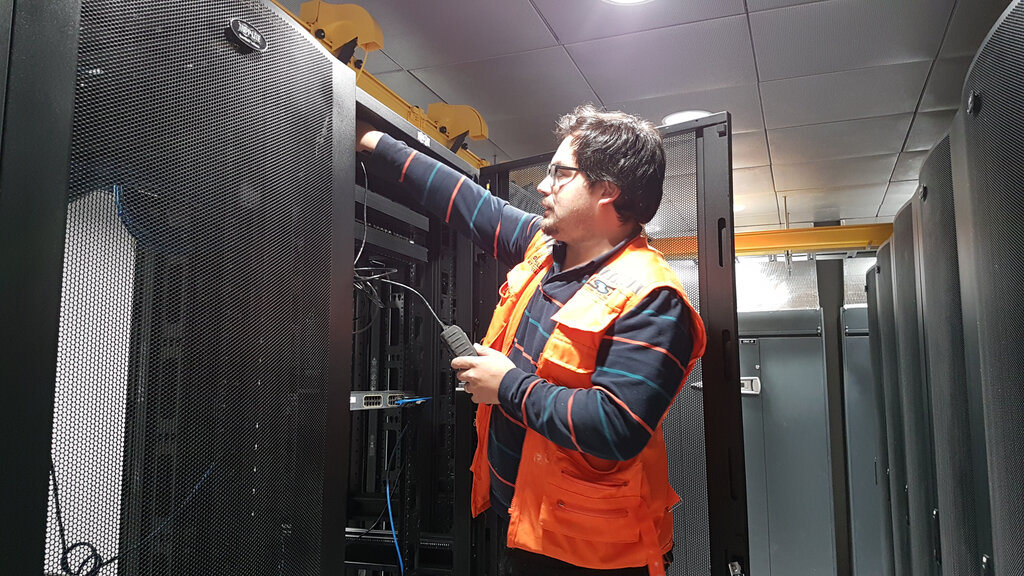
Essentially, if it's a computer system that people rely on, a sysadmin is responsible for keeping it reliable.
Keeping the Lights On
System maintenance isn't just about fixing things when they break; it's about preventing them from breaking in the first place. This proactive approach is crucial for any organization.
Imagine driving a car without ever changing the oil or checking the tire pressure. You might be fine for a while, but eventually, you’re headed for a major, expensive breakdown. System maintenance is the digital version of those routine check-ups. Regular updates, performance tuning, and security patches prevent small issues from turning into catastrophic failures like data loss or system-wide outages.
Good system administration is invisible. When everything works perfectly, you don't even know they're there.
Consistent maintenance ensures reliability and stability. It means employees can do their jobs without interruption and customers can access services when they need them. This builds trust and keeps operations running smoothly.
The Building Blocks of IT
A sysadmin manages an ecosystem of interconnected hardware and software known as IT infrastructure. Understanding the key components helps clarify what they're actually working with.
Server
noun
A powerful computer that provides data, services, or functionality to other computers, known as clients, over a network.
Servers are the heavy lifters of the network. They might store company files, host a website, or run a critical application. Sysadmins are responsible for installing, configuring, and maintaining them.
Workstation
noun
A desktop or laptop computer used by an individual to do their work. It connects to the network to access resources from servers.
While users interact with their workstations daily, sysadmins manage them from a central point, handling software deployment and troubleshooting issues remotely.
Finally, none of these devices could communicate without network devices. These are the traffic cops of the digital world, directing data where it needs to go. Key examples include:
- Switches: Devices that connect computers, servers, and printers within a local network (like an office).
- Routers: Devices that connect different networks together, such as connecting an office network to the internet.
- Firewalls: Security devices that monitor and control network traffic, acting as a barrier between a trusted internal network and an untrusted external network (like the internet).
A sysadmin's job is to ensure all these pieces work together harmoniously, creating a reliable and efficient IT environment.
Which of the following is the best analogy for a system administrator's role?
What is the primary goal of proactive system maintenance?
This foundational knowledge of what a sysadmin does, why their work is important, and what they manage is the first step in understanding the broader world of IT operations.