System Administration Essentials
Introduction to System Administration
The Invisible Engineer
Think of a large, bustling office building. Who makes sure the lights stay on, the elevators run, and the plumbing works? You might not see them every day, but a team of maintenance staff and engineers works tirelessly behind the scenes. Without them, the entire building would quickly grind to a halt.
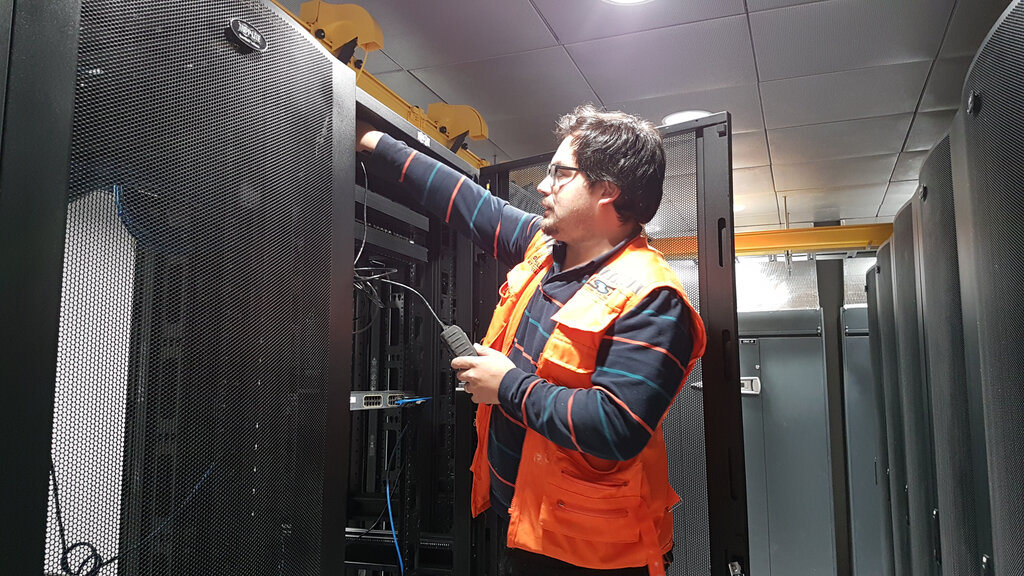
A system administrator, or sysadmin, is the invisible engineer of the digital world. They are the professionals who build, manage, and maintain an organization's IT infrastructure, from the servers in a closet to the software on your computer.
A system administrator is a professional who maintains computer systems, servers, and networks of their clients.
Their work is the foundation upon which almost every modern business operates. They ensure that emails are sent, websites are accessible, and critical data is available when needed.
Core Responsibilities
A sysadmin's job is incredibly varied. On any given day, they might switch between several different roles. Let's break down some of their most common tasks.
User Management: Sysadmins are the gatekeepers. They create new user accounts, assign appropriate permissions so people can access the files and tools they need, and help users who get locked out. They also remove access when an employee leaves the company.

Hardware and Software Maintenance: Computers and servers need constant care. Sysadmins are responsible for installing, configuring, and updating both the physical hardware (like servers and routers) and the software that runs on it. This includes everything from operating systems to specialized applications. They also troubleshoot problems when things break, from a single non-working laptop to a major server outage.
Backup and Recovery: What happens if a critical server fails or data is accidentally deleted? The sysadmin has a plan. A crucial part of their role is performing regular backups of important data and testing procedures to restore it. This is the safety net that protects a company from disaster.
Guardians of the System
Beyond day-to-day upkeep, system administrators play a vital role in security. In a world of constant digital threats, they are on the front lines, protecting the organization's valuable data and infrastructure from unauthorized access.
Administering security policies is a crucial aspect of the role, ensuring that sensitive information is accessible only to authorised personnel.
This involves more than just installing antivirus software. It means configuring firewalls, managing access controls, applying security patches to fix vulnerabilities, and educating users about safe computing practices, like how to spot phishing emails.
They are also responsible for monitoring the systems for any signs of trouble. By keeping a close eye on system performance and logs, they can spot potential issues before they become major problems. This proactive approach is key to maintaining a stable and secure IT environment.
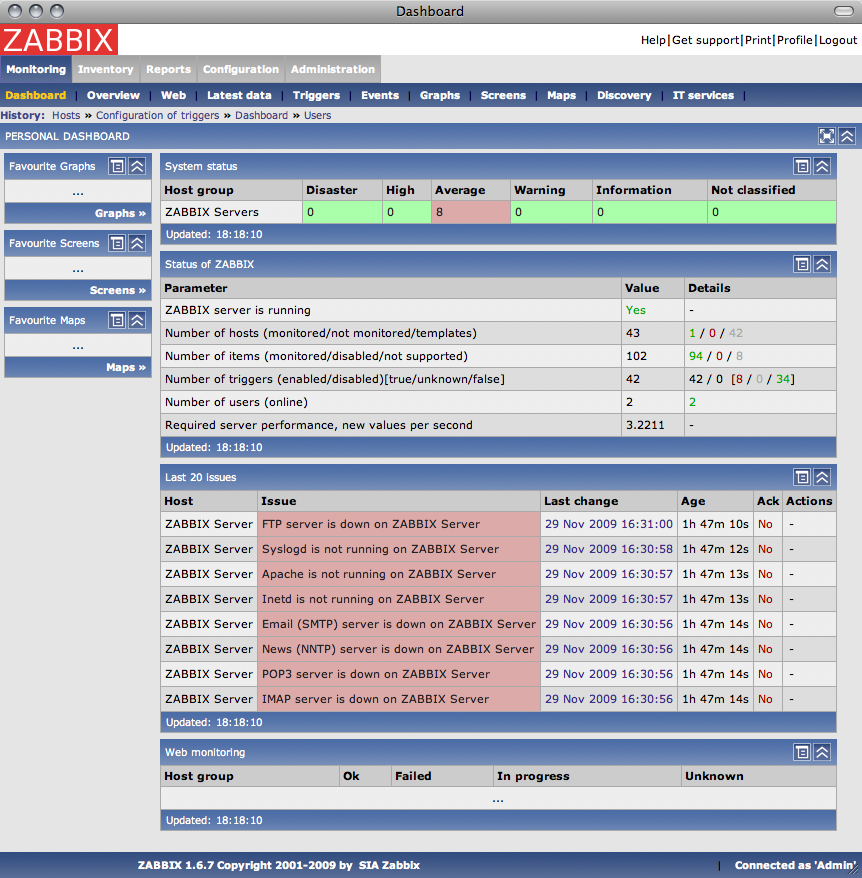
Is a server's memory usage suddenly spiking? Is there unusual network traffic at 3 a.m.? The sysadmin investigates these alerts to keep things running smoothly and securely.
Based on the analogy of an office building, what is the most accurate description of a system administrator's role?
A server's memory usage suddenly spikes at 3 a.m. What aspect of a sysadmin's job does investigating this alert fall under?
The role of a system administrator is a blend of technical skill, problem-solving, and foresight. They are the essential personnel who ensure an organization's technology is not just working, but working well—securely, reliably, and efficiently.