SYSC 8 Systems Explained
Introduction to Systems Engineering
The Big Picture
Systems engineering is the art and science of managing complexity. Think about a modern car. It's not just a collection of parts like an engine, wheels, and seats. It's a highly integrated system where mechanical components, electronics, and software must work together perfectly. A system is any set of interacting parts that function as a whole to achieve a common purpose. Systems engineering provides the framework to design, build, and manage these complex systems throughout their entire life.
The core idea is to look at the whole picture, not just individual pieces. A systems engineer's job is to make sure all the parts fit together, meet the user's needs, and function correctly from the first day of use to the last. This involves defining what the system needs to do (the requirements), breaking it down into manageable chunks, and then ensuring those chunks are integrated back together into a successful final product.
It's about asking the right questions early on to avoid costly mistakes later. What does this system need to accomplish? Who will use it? What environment will it operate in?
From Idea to Retirement
Every system has a life story, known as a lifecycle. While the exact names of the phases can vary, they generally follow a logical progression from an initial idea to the system being retired from service. Understanding this lifecycle helps manage the project, allocate resources, and make sure nothing is forgotten.
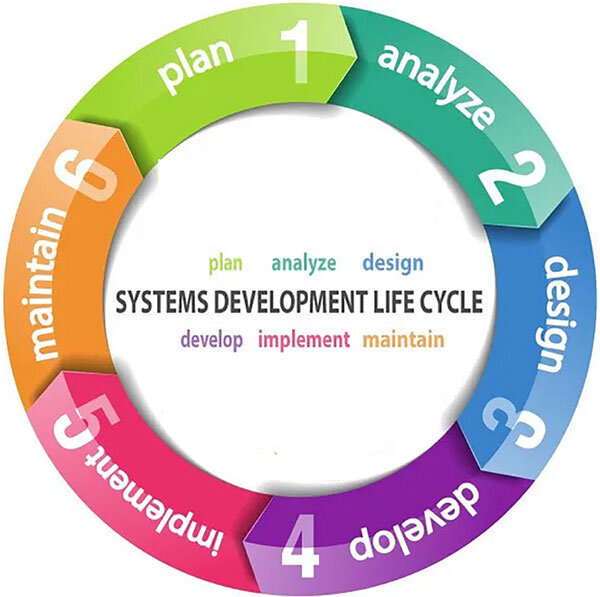
The typical phases include:
- Concept: This is the beginning, where the need for a system is identified and its basic purpose is defined.
- Design & Development: Engineers and designers create the blueprint. They define requirements, explore different approaches, and build and test prototypes.
- Implementation & Production: The system is built or manufactured based on the finalized designs.
- Utilization & Support: The system is put into use. This phase also includes maintenance, updates, and user support to keep it running smoothly.
- Retirement: At the end of its useful life, the system is decommissioned, recycled, or disposed of responsibly.
A Team Sport
There's no single recipe for systems engineering. Different methodologies exist to guide the process. Some are very structured, like the Waterfall model, where each phase must be completed before the next begins. Others are more flexible, like Agile methods, which use iterative cycles of design and testing. The right approach depends on the project's complexity, goals, and constraints.
Regardless of the methodology, one thing is constant: collaboration is essential. Building a complex system requires a diverse team of experts. Mechanical engineers, software developers, project managers, financial analysts, and end-users all bring unique perspectives. Systems engineering provides the common language and processes that allow these different disciplines to work together toward a shared goal.
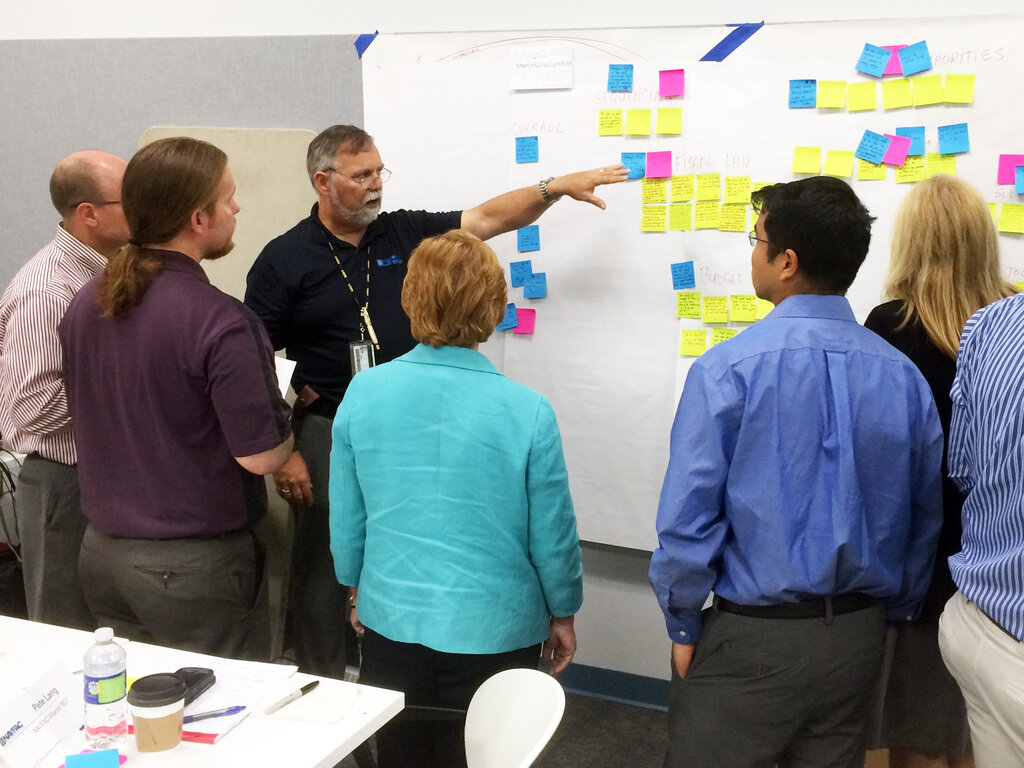
Without this interdisciplinary collaboration, you risk creating a system with components that don't communicate, a user interface that's confusing, or a final product that doesn't actually solve the original problem. The systems engineer acts as the conductor of an orchestra, ensuring every instrument plays its part in harmony.
Time to check your understanding of these core concepts.
What is the primary focus of systems engineering?
Which of the following lists the system lifecycle phases in the correct order?
This foundational knowledge gives you a framework for thinking about how complex products and services come to be.