SYSC 8 Outsourcing Explained
Introduction to FCA SYSC 8
Outsourcing Under the FCA
When a financial firm decides to outsource a function, whether it's IT support or customer service, it can't simply hand over the keys and walk away. The UK's Financial Conduct Authority (FCA) has specific rules to ensure that firms manage this process carefully. These rules are found in a section of the FCA Handbook called Senior Management Arrangements, Systems and Controls, or SYSC for short.
The SYSC Regulations are a cornerstone of the UK’s financial regulatory framework, forming part of the FCA (Financial Conduct Authority) Handbook.
Specifically, SYSC 8 deals with outsourcing. Its purpose is to make sure that when a firm delegates activities to a third party, it does so without creating undue risks to its operations, its customers, or the financial market. The firm that outsources the work remains fully responsible for meeting all of its regulatory obligations.
The rules apply broadly to banks, building societies, investment firms, and insurers. Essentially, if you're a regulated financial firm in the UK, SYSC 8 sets the standard for how you must handle your outsourcing arrangements.
Core Requirements for Outsourcing
SYSC 8 establishes several non-negotiable requirements for firms. These are designed to ensure that any outsourcing is done responsibly and with proper oversight.
First, a firm must exercise due skill, care, and diligence when entering into, managing, or terminating any outsourcing arrangement. This starts with thorough due diligence on the potential service provider. You need to be confident they are capable and reliable.
Next, the arrangement must be set out in a formal written agreement. This contract is critical. It must clearly define the rights and responsibilities of both the firm and the service provider. It should cover aspects like service levels, data security, and what happens if things go wrong, including how the agreement can be terminated without disrupting business.
The rules also state that the firm and the FCA must have effective access to data related to the outsourced activities. The service provider must be willing to cooperate with the FCA, allowing regulators to conduct on-site inspections if needed. This ensures that outsourcing doesn't become a way to hide activities from regulatory view.
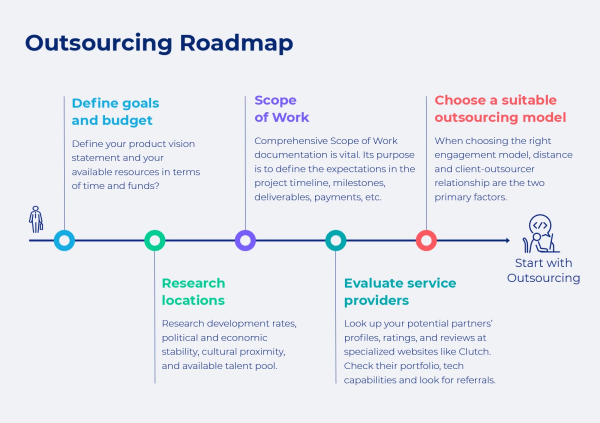
Finally, a firm must have a clear exit strategy. What if the service provider goes out of business or fails to perform? The firm needs a documented plan to bring the function back in-house or transfer it to another provider smoothly. This is a key part of managing operational risk and ensuring business continuity.
Senior Management's Role
SYSC 8 places ultimate responsibility squarely on the shoulders of the firm's senior management and board of directors. They cannot delegate their accountability for regulatory compliance, even if they delegate the task itself.
Senior leaders are responsible for establishing and maintaining an effective governance framework for all outsourcing. This includes:
- Setting the policy: Defining the firm's overall approach to outsourcing.
- Approving arrangements: Reviewing and approving any significant outsourcing agreements.
- Overseeing risk: Ensuring that risks associated with outsourcing are identified, monitored, and managed effectively.
- Monitoring performance: Regularly reviewing the performance of service providers against the terms of their contracts.
In the FCA's eyes, the buck stops with the firm's leadership. They must ensure that outsourcing decisions are made carefully and that ongoing oversight is robust enough to protect the firm and its clients.
Let's check your understanding of these key principles.
What is the primary topic of SYSC 8 in the FCA Handbook?
When a firm outsources a critical function, who retains ultimate responsibility for its compliance with regulatory requirements?