Synthetic Populations Explained
Introduction to Demographic Research
The Science of People
Demography is the statistical study of human populations. Demographers want to know how many people live somewhere, who they are, and how these characteristics change over time. It's less about individual stories and more about the big picture, using data to understand the past, present, and future of societies.
Demography
noun
The study of statistics such as births, deaths, income, or the incidence of disease, which illustrate the changing structure of human populations.
This field looks at the size, structure, and distribution of populations. It's a story told through numbers, revealing patterns that shape our world, from bustling cities to quiet rural towns.
The Core Ingredients
To understand any population, demographers focus on a few key variables. Think of them as the fundamental building blocks.
- Age and Gender: How old are people, and what is the balance between males and females? This basic structure influences everything from the job market to healthcare needs.
- Fertility: The rate at which people are born. It's the primary way populations grow from within.
- Mortality: The rate at which people die. This, along with fertility, determines a population's natural increase or decrease.
- Migration: The movement of people from one place to another. This includes immigration (moving in) and emigration (moving out).
The age and gender structure of a population is often visualized using a population pyramid. A country with high fertility rates will have a pyramid with a wide base, showing a large proportion of young people. A country with an aging population will have a more rectangular or even top-heavy shape.
How Populations Change
Population dynamics describe how the size and composition of a population change over time. The basic formula is surprisingly simple. It balances the number of people coming in (births and immigration) against the number of people going out (deaths and emigration).
The first part of the equation, (Births - Deaths), is called the natural increase. The second part, (Immigration - Emigration), is known as net migration.
Of course, what drives these numbers is far from simple. Fertility rates can be influenced by cultural norms, access to education, and economic conditions. Mortality is affected by healthcare, nutrition, and public safety. Migration is often driven by a search for economic opportunity, political stability, or freedom.
Changes in population are due to mortality, fertility, and migration, which are influenced by the interplay of environmental, economic, cultural, and political factors.
Demography in the Real World
Why do we track all this data? Because demographic information is critical for good planning and policy-making. It helps leaders and organizations make informed decisions that affect millions of lives.
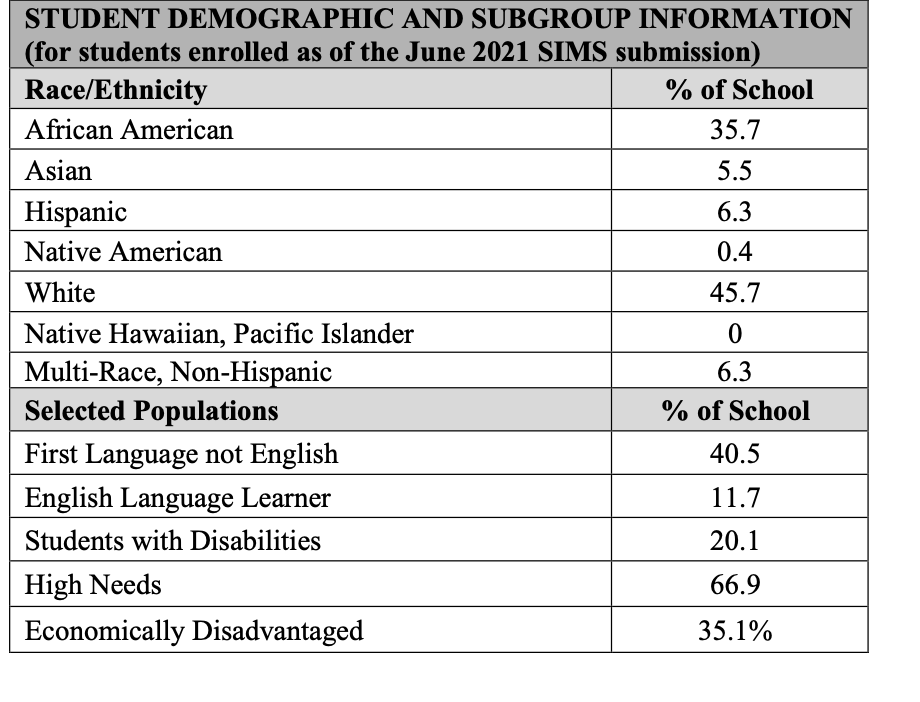
Here are just a few examples:
- Urban Planning: Cities use demographic data to decide where to build new schools, hospitals, and roads. An area with a growing number of young families will have different needs than one with an aging population.
- Public Health: By tracking things like age, location, and income, public health officials can identify which groups are most at risk for certain diseases and target their interventions more effectively.
- Business: Companies use demography to understand their customers. A business selling retirement products will focus on different age groups and regions than one selling baby clothes.
- Government: Governments rely on population data for everything from allocating political representation to forecasting the future costs of social security and healthcare programs.
By understanding the basic drivers of population change, we can better anticipate future challenges and opportunities, making demography an essential tool for navigating our complex world.
What is the primary focus of demography?
The component of population change calculated as (Births - Deaths) is known as...