Synthesis of Relational Aesthetics and Process Ontology
Process as Aesthetic Event
The Art Event Itself
We tend to think of art as a thing: a painting on a wall, a sculpture in a gallery. It's a static object waiting for us to look at it. But what if the art isn't the object at all? What if the real art is the event of experiencing it? This reframes everything. The artwork becomes a dynamic process, a moment of becoming that includes the object, the viewer, and the entire history leading up to that encounter.
This idea pulls from the process philosophy of Alfred North Whitehead, a thinker who saw reality not as a collection of things, but as a series of events he called "actual occasions." Each moment is a new occasion, an experience that inherits from the past and creates a new, unified present. For Whitehead, the most fundamental units of reality are not particles or substances, but these momentary drops of experience.
An "actual occasion" is the ultimate, real thing in the universe. It is a flicker of existence, a pulse of experience.
How does an actual occasion come to be? Through a process of "prehension." To prehend something is to grasp it, to feel it, and to pull it into a new synthesis. Every actual occasion prehends, or takes account of, all the other occasions that came before it. It feels the past and incorporates those feelings into its own becoming. This act of unifying many past feelings into a single, new, and complex experience is called .
When you stand before a painting, you are not just a subject observing an object. You and the painting are participating in a shared event, a concrescence. Your past experiences with art, the artist's intentions, the physical materials of the paint, the light in the room, and your current emotional state all get prehended into a new, singular aesthetic experience. The art isn't just the canvas; it's this unique, unrepeatable event of becoming.
Actualizing the Virtual
While Whitehead gives us the mechanics of the event, philosopher Gilles Deleuze provides a way to understand where the novelty in art comes from. Deleuze distinguishes between the possible and the virtual. The possible is something that does not exist yet but could, like a pre-planned sketch for a painting. It resembles the final product, just lacking reality.
The virtual, however, is not a pre-formed idea. It is a field of pure potential, a complex of forces, tendencies, and potentials that have not yet been organized into a concrete form. Art, for Deleuze, is not about making a possibility real. It is about actualizing the virtual. The artist taps into this field of potential and gives it a concrete, singular expression. The final artwork doesn't resemble a pre-existing model; it creates something genuinely new by giving form to these underlying forces.
| Concept | The Possible | The Virtual |
|---|---|---|
| Nature | Pre-formed, but not yet real. | A field of pure potential and forces. |
| Relation to Real | Resemblance. The real is a copy of the possible. | Difference. The actual does not resemble the virtual. |
| Process | Realization. | Actualization. |
| Example | An architect's blueprint. The building realizes the plan. | The emotional chaos that becomes a poem. The poem gives form to the chaos. |
Think of a jazz improvisation. The musician isn't realizing a pre-written score (the possible). They are tapping into a virtual field of musical relationships, tensions, and histories, and actualizing them in a unique performance. The solo doesn't represent the rules of music; it embodies them in a new creation. This act of creation moves beyond simple representation. The artwork is not about something; it is something. It's a new being in the world.
From Representation to Creation
When we combine Whitehead and Deleuze, the old model of aesthetics collapses. Art is no longer a representation of the world. It is a process that actively constitutes a new reality, a new event. This shift is a move from aesthetics to what we might call — from the study of art (aesthetics) to the study of how art creates being (ontology + poetics).
The focus moves away from interpretation, from asking "What does it mean?" Instead, we ask "What does it do?" How does this art event grab onto the forces of the virtual? How does it prehend the past to create a new concrescence of experience? This is what critic Steven Shaviro points to when he suggests Whitehead's process philosophy offers a more powerful alternative to the Heideggerian focus on Being and hidden truth. Art doesn't reveal a hidden truth; it creates a new one.
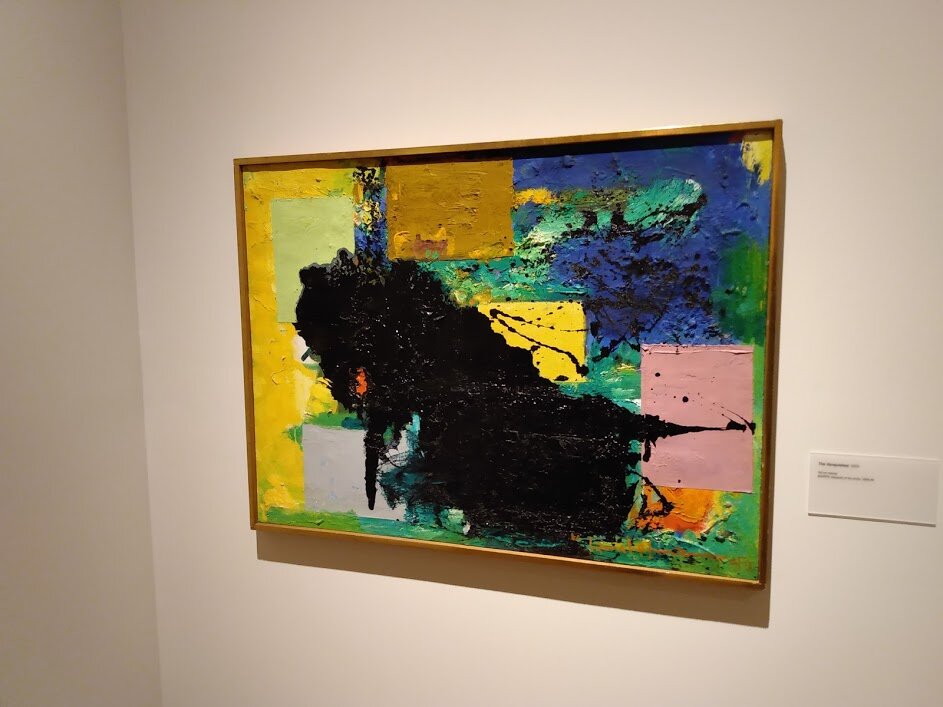
In this model, there is no detached observer. The boundary between you and the art dissolves. You are a crucial component in the event. The aesthetic experience is a momentary unification, a brief but intense flash where the world is felt and remade. The work of art is an invitation to participate in this process of becoming.
Let's test your understanding of these core ideas.
According to Alfred North Whitehead, what is the most fundamental unit of reality?
When you view a painting, the unification of your past experiences, the artist's intentions, the physical paint, and the room's light into a single new aesthetic experience is an example of what Whiteheadian concept?
This process-oriented view challenges us to engage with art not as a puzzle to be solved, but as an experience to be lived. Each encounter is a new creation.