Sync Excel Data with Salesforce
Understanding Data Management
The Foundation of Good Decisions
Data management is the practice of collecting, keeping, and using data securely and efficiently. Think of it like organizing a massive library. If books are randomly stuffed onto shelves, finding the one you need is nearly impossible. But with a clear system, you can quickly find accurate information. In business, this 'library' holds all the information a company needs to operate.
Two key ideas in this process are data integrity and data quality.
Data integrity is about keeping data consistent and accurate over its entire life. It ensures that the data hasn't been accidentally or maliciously altered. It's the guarantee that the data you're looking at is the same as when it was originally entered.
Data quality goes a step further. It's about whether the data is fit for its purpose. Is it complete? Is it relevant? Is it timely? You could have data with perfect integrity—unchanged since its creation—but if it was entered incorrectly to begin with, its quality is low.
Imagine a customer's address. High integrity means the address stored in the system is exactly what was entered. High quality means the address entered was correct and complete in the first place.
Data-Driven Choices
High-quality data is the bedrock of smart decision-making. When leaders trust their data, they can confidently answer critical questions. Which products are most popular? Where are sales lagging? Which marketing campaigns are bringing in the most customers?
A retail company, for example, might analyze sales data to restock its shelves. If the data is accurate, they order the right amount of their best-selling items. But if the data is poor—perhaps sales of one item were recorded under another—they might order the wrong products, leading to lost sales and wasted inventory.
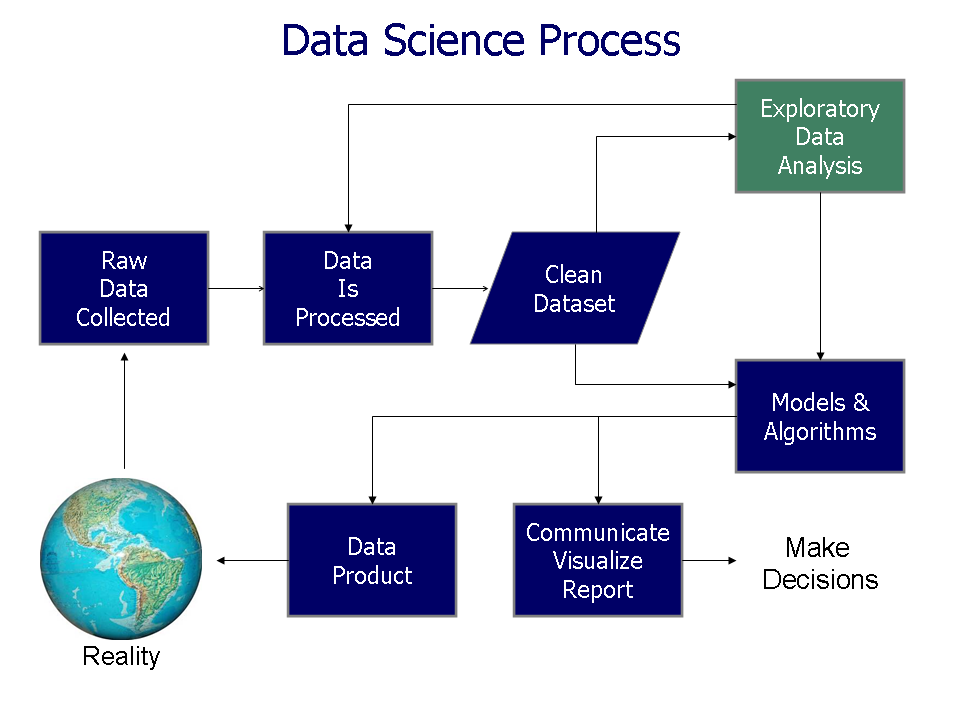
Every step in this process relies on a foundation of well-managed data. Without it, the final decisions are based on guesswork, not facts.
Common Hurdles
Managing data effectively isn't easy. Organizations face several common challenges. Often, data is stored in different systems that don't talk to each other, creating 'data silos'. The sales team's data might be in a CRM, while the finance team's data is in an accounting system. This separation makes it hard to get a complete picture of the business.
The root cause? Misaligned systems, inconsistent definitions, poor data quality, and inaccessible knowledge.
Another issue is inconsistent data. One department might list a country as "USA" while another uses "United States." These small differences can create big problems during analysis. Maintaining high data quality across an entire organization requires constant effort and clear standards.
Keeping Data in Sync
This brings us to data synchronization. It's the process of keeping data consistent across multiple systems. When a customer updates their address in their online profile, that change should automatically appear in the shipping department's system and the marketing team's database.
Without synchronization, you get conflicting information. The shipping department might send a package to the old address while the marketing team sends a catalog to the new one. This creates a poor customer experience and operational headaches.
Ensure data integrity and synchronization between systems (e.g., CRM ↔ ERP).
By synchronizing data, an organization ensures that everyone is working from the same, up-to-date information. This builds reliability and trust in the data, making it a truly valuable asset for making decisions.
Now, let's review what you've learned about data management.
Which statement best distinguishes data integrity from data quality?
A sales department lists a country as 'USA', while the shipping department lists it as 'United States'. This is a common example of what data management challenge?
Strong data management is not just a technical task; it's a core business function that enables clarity, efficiency, and smarter growth.