SWOT Analysis Strategy Design
Introduction to SWOT Analysis
What Is a SWOT Analysis?
A SWOT analysis is a simple but powerful tool for strategic planning. It helps an organization understand its current position by looking at four key areas. The name itself is an acronym for Strengths, Weaknesses, Opportunities, and Threats.
A SWOT analysis is a framework used to evaluate a company’s competitive position and then to develop a strategic plan to address these areas.
Think of it as a structured brainstorming session. The goal is to get a clear, honest look at what you're doing well, where you're falling short, and what's happening in the wider world that could help or hurt you. This framework is often credited to Albert Humphrey, who developed it at the Stanford Research Institute during the 1960s and 1970s.
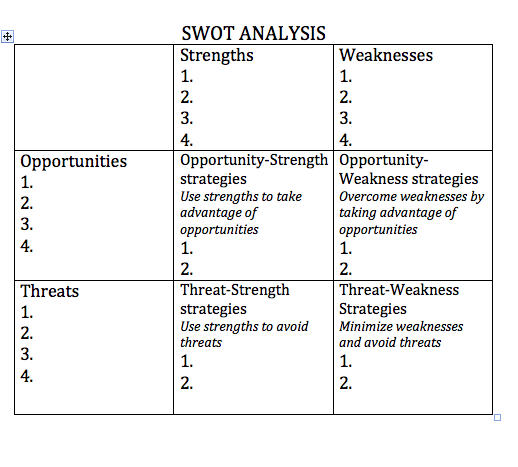
The Four Components
The four parts of a SWOT analysis are divided into two categories: internal and external factors. Strengths and Weaknesses are internal—they are things the organization has some control over. Opportunities and Threats are external—they relate to the broader environment the organization operates in.
Let's look at each part more closely.
-
Strengths: These are the positive attributes inside your organization. What gives you an edge? It could be a strong brand reputation, a talented team, proprietary technology, or efficient processes. The key is to identify what your business does better than others.
-
Weaknesses: These are the negative factors within your control that detract from your strengths. What holds you back? Examples include high levels of debt, an outdated supply chain, a lack of innovation, or poor employee morale. Being honest about weaknesses is the first step to addressing them.
-
Opportunities: These are external factors that your organization could capitalize on to its advantage. What trends or conditions could you benefit from? This might include a growing market for your product, new technologies you can adopt, or loosening government regulations.
-
Threats: These are external factors that could potentially harm your organization. What obstacles do you face? Common threats include new competitors entering your market, a slowing economy, changing customer tastes, or new trade barriers.
Benefits and Limitations
One of the biggest advantages of SWOT analysis is its simplicity. It doesn't require complex software or extensive training, making it accessible to any organization. It encourages open discussion and helps teams get on the same page about the company's strategic position.
SWOT analysis provides a clear snapshot of where a business stands, which is the foundation for any sound strategy.
However, it has limitations. The analysis can be subjective, as what one person sees as a strength, another might see as a minor advantage. It also tends to generate long lists without prioritizing what's most important. A SWOT analysis identifies issues, but it doesn't tell you what to do about them. It's a starting point for deeper strategic conversations, not an end in itself.
| Benefits | Limitations |
|---|---|
| Simple and low-cost to implement. | Can be subjective and based on opinion. |
| Helps visualize a company's position. | May oversimplify complex issues. |
| Encourages strategic conversations. | Doesn't offer solutions or prioritize items. |
| Flexible for any size organization. | Can become outdated quickly. |
Now that you understand the basics of the SWOT framework, let's test your knowledge.
What does the acronym SWOT stand for?
Which two elements of a SWOT analysis are considered internal factors, meaning they are within the organization's control?
By understanding these four components, you can begin to build a strategy that plays to your strengths, shores up your weaknesses, seizes opportunities, and defends against threats.