SWOT Analysis for New Business Ideas
Introduction to SWOT Analysis
A Framework for Strategy
Before launching a new business or project, it's wise to look before you leap. A SWOT analysis is a simple but powerful tool that helps you do just that. It provides a clear snapshot of where you stand and what you're up against.
SWOT is an acronym that stands for Strengths, Weaknesses, Opportunities, and Threats.
Think of it as a structured brainstorming session. By examining these four areas, you can get a holistic view of your venture. The goal is to understand your competitive position so you can develop a smart strategy. It helps you capitalize on what you do well, address what you lack, seize new chances, and protect yourself from risks.
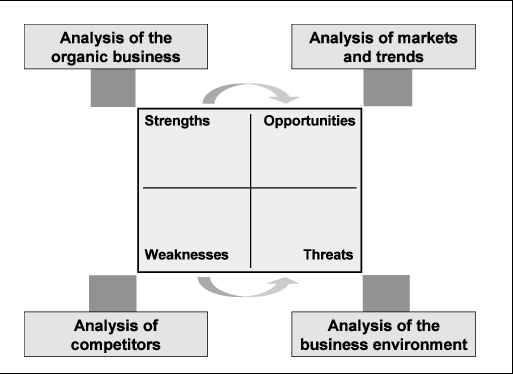
The Four Components
The power of a SWOT analysis comes from its simple 2x2 grid. Each quadrant represents one of the four components. Two of these are internal factors—things you can control. The other two are external—things happening in the market or world that you can't control but must respond to.
| Component | Focus | Description |
|---|---|---|
| Strengths | Internal | Positive attributes within your business. What are you good at? What unique resources do you have? |
| Weaknesses | Internal | Negative factors within your business. Where could you improve? What are you lacking? |
| Opportunities | External | Favorable factors in the external environment. What market trends could you leverage? |
| Threats | External | Unfavorable factors in the external environment. Who are your competitors? What obstacles do you face? |
The distinction between internal and external factors is critical. Strengths and weaknesses are about your own company—your team, your intellectual property, your location. You have a direct hand in changing these.
Opportunities and threats, on the other hand, exist outside your walls. They include things like market trends, economic conditions, new technologies, and government regulations. You can't change them, but you can certainly react to them.
Why Bother with a SWOT?
Conducting a SWOT analysis forces you to step back and look at the big picture. For a new business, this clarity is invaluable. It helps you make more informed decisions and avoid common pitfalls.
By identifying your strengths, you know what to build upon. By acknowledging your weaknesses, you know what to work on or where to seek help. Recognizing opportunities helps you set ambitious goals, while spotting threats allows you to prepare for challenges before they arrive.
Ultimately, this analysis provides the foundation for a solid business strategy. It’s not just about listing points in a grid; it’s about using that information to create a plan for success.
A SWOT analysis is a strategic planning tool used to identify and analyze which four key factors?
In a SWOT analysis, which two components are considered internal factors that an organization has direct control over?