SWOT Analysis for New Business Ideas
Introduction to SWOT Analysis
What is a SWOT Analysis?
Before launching a new business or project, it's wise to get a clear picture of the landscape. A SWOT analysis is a simple but powerful tool that helps you do just that. It's a framework for organizing your thoughts and looking at a situation from all angles.
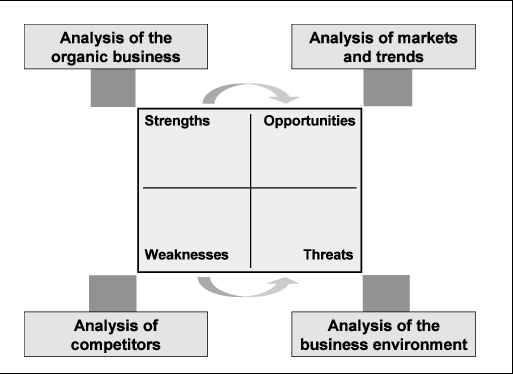
A SWOT analysis is a framework used to evaluate a company’s competitive position and then to develop a strategic plan to address these areas.
The acronym stands for Strengths, Weaknesses, Opportunities, and Threats. Think of it as a structured brainstorming session that helps you map out where you stand and what's on the horizon. By examining these four areas, you can make more informed decisions and build a smarter strategy.
The Four Components
The four parts of a SWOT analysis are split into two categories: internal factors, which you can control, and external factors, which you can't.
| Component | Type | Description |
|---|---|---|
| Strengths | Internal | Positive attributes and resources within your control. |
| Weaknesses | Internal | Negative factors or areas for improvement within your control. |
| Opportunities | External | Favorable external factors you could potentially leverage. |
| Threats | External | Unfavorable external factors that could harm your venture. |
Strengths and Weaknesses are about looking inward. A strength could be a talented team, a unique product, or a strong brand reputation. A weakness might be a lack of funding, an inefficient process, or a gap in your team's skills.
Opportunities and Threats require you to look outward at the market and the world at large. An opportunity could be a new technology you can adopt, a growing market demand, or a competitor's misstep. A threat might be a new regulation, a shift in consumer behavior, or a powerful new competitor entering the market.
The key is distinguishing what you can change (internal) from what you must adapt to (external).
Why Bother?
Conducting a SWOT analysis provides crucial clarity. It forces you to move beyond gut feelings and assess your situation based on a structured look at reality. It's the foundation of good strategic planning.
By identifying your strengths, you know what to build upon. By acknowledging your weaknesses, you know what to improve or manage. Recognizing opportunities helps you set ambitious goals, while spotting threats allows you to prepare defenses and contingency plans.
Ultimately, a SWOT analysis doesn't give you the answers, but it helps you ask the right questions. It organizes your thinking so you can formulate a strategy that plays to your strengths, minimizes your weaknesses, seizes opportunities, and guards against threats.
Before we move on, let's review these core concepts.
Ready to check your understanding?
What does the acronym SWOT stand for?
The four parts of a SWOT analysis are divided into two main categories: internal and external factors.
With a clear understanding of these four components, you're ready to start analyzing any business idea or project.