SWOT Analysis for New Business Ideas
Introduction to SWOT Analysis
What is a SWOT Analysis?
Before launching a new product or starting a company, you need a clear view of the landscape. A SWOT analysis is a simple but powerful tool that gives you that view. It's a framework for organizing your thoughts about a business venture.
SWOT stands for strengths, weaknesses, opportunities and threats.
Think of it as a structured brainstorming session. By looking at these four areas, you can get a balanced picture of where you stand. It helps you see not just what you're good at, but also where you're vulnerable. This isn't just for big corporations; it's useful for small businesses, nonprofits, and even for personal career planning.
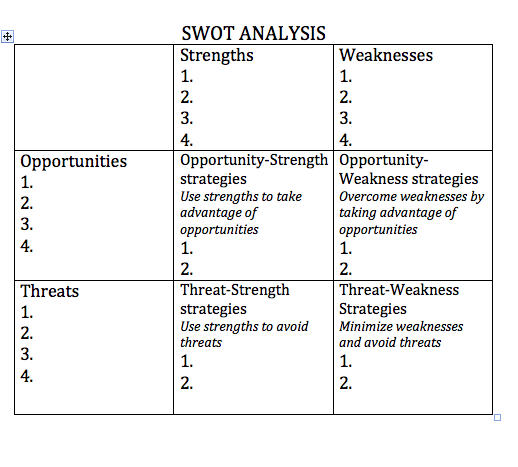
Internal vs. External Factors
The four parts of SWOT are divided into two groups: internal and external factors. This distinction is key.
Strengths and Weaknesses are internal to your organization. They are things you have some control over and can change.
Opportunities and Threats are external. They exist in the larger market or environment, and you generally can't change them.
Understanding this difference helps you focus your efforts. You work to build on your strengths and improve your weaknesses. At the same time, you plan to take advantage of opportunities and protect yourself from threats.
The Four Components
Let's quickly look at what each part means.
Strengths
noun
Positive internal attributes of your business. These are the things your company does well and that give you an advantage over your competition.
Examples could be a loyal customer base, a unique technology, or a talented team.
Weaknesses
noun
Negative internal factors that place your business at a disadvantage. These are areas where you need to improve to remain competitive.
This might include a lack of capital, an inefficient supply chain, or a poor location.
Opportunities
noun
External factors that your business could use to its advantage. These are favorable situations in your environment.
Examples include a new market opening up, a competitor going out of business, or positive media coverage.
Threats
noun
External factors that could harm your business. These are challenges created by an unfavorable trend or development in the environment.
Threats could be a new competitor, changing customer tastes, or a downturn in the economy.
Why It Matters
A SWOT analysis isn't just an academic exercise. It forms the foundation of a good business plan. By identifying these four elements, you can create a strategy that plays to your strengths, shores up your weaknesses, seizes opportunities, and defends against threats.
It bridges the gap between where you are now and where you want to be. It helps turn a pile of data and observations into an actionable plan.
Conducting this analysis early helps you assess the feasibility of your idea before you invest too much time or money. It provides a realistic, fact-based look at your business and its prospects.
Time to check your understanding of these core concepts.
In a SWOT analysis, which two elements are considered internal factors that an organization can directly influence?
A company developing a unique, proprietary technology that competitors cannot easily replicate would classify this as a(n)...
By understanding these basics, you're ready to start thinking strategically about any business idea.