SWOT Analysis for New Business Ideas
Introduction to SWOT Analysis
Your Strategic Snapshot
Before launching a new business or project, you need a clear, honest picture of where you stand. It's easy to get carried away by excitement, but a solid plan requires looking at the good, the bad, and the uncertain. This is where a SWOT analysis comes in.
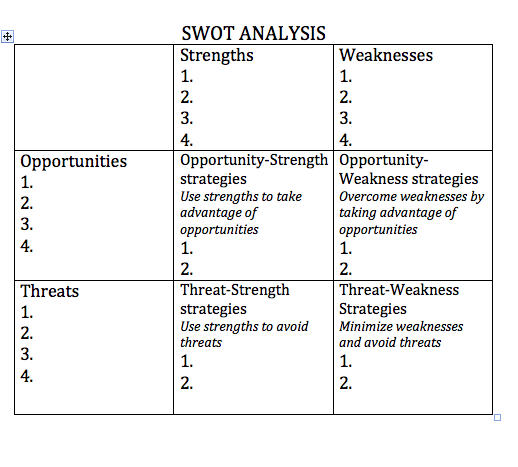
SWOT is an acronym that stands for Strengths, Weaknesses, Opportunities, and Threats.
It’s a simple but powerful framework that helps you evaluate a business idea by organizing your thoughts. Think of it as a structured brainstorming session that gives you a complete view of your situation, both from the inside and the outside.
Internal vs. External Factors
The four parts of a SWOT analysis are divided into two groups: internal factors and external factors. This distinction is key to using the tool effectively.
Strengths and Weaknesses are internal. These are things you have some control over. They exist within your company or project right now.
- Strengths: What does your business do well? Do you have a unique product, a talented team, or a strong brand reputation?
- Weaknesses: Where could you improve? Maybe you lack funding, have a small market presence, or face production challenges.
Opportunities and Threats are external. These are factors happening in the broader market or world that you can't control, but you must respond to.
It's important to remember that the first two elements of a SWOT analysis, the S and W which represents strengths and weaknesses, refer to internal factors within your immediate control; while the O and T, which are your opportunities and threats, refer to factors outside of your control—external factors.
- Opportunities: What's happening outside your business that you could take advantage of? This could be a new market trend, a competitor's misstep, or changing customer tastes.
- Threats: What external factors could harm your business? Examples include new government regulations, a looming recession, or a competitor launching a similar product.
Why Bother with SWOT?
Conducting a SWOT analysis forces you to step back and see the bigger picture. It helps you make smarter strategic decisions. By understanding your weaknesses, you can work to improve them. By identifying threats, you can develop plans to manage those risks.
Most importantly, it helps you match your strengths to your opportunities. For example, if a key strength is your team's expertise in a certain technology, and you spot an opportunity in a market that needs that tech, you've found a powerful path forward.
It’s not just for new businesses. Established companies use SWOT analysis to re-evaluate their strategy, launch new products, or enter new markets. It provides a foundation for clear, data-driven planning rather than relying on gut feelings alone.
Now, let's test your understanding of these core concepts.
What is the primary purpose of a SWOT analysis?
Which two elements of a SWOT analysis focus on factors that are internal to the organization?
By organizing your thoughts into these four quadrants, you can build a more realistic and effective strategy for any venture.