SWOT Analysis for Business Ideas
Introduction to SWOT Analysis
Getting a Clear Picture
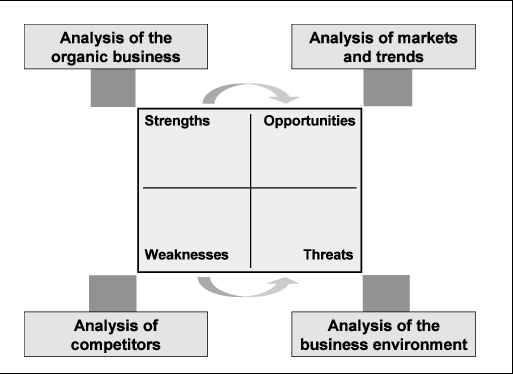
Before launching a new business or project, you need a clear, honest look at your situation. That's where a SWOT analysis comes in. It’s a simple but powerful tool for strategic planning. The name is an acronym for the four areas it examines: Strengths, Weaknesses, Opportunities, and Threats.
A SWOT analysis is a framework used to evaluate a company’s competitive position and then to develop a strategic plan to address these areas.
Think of it as a structured brainstorming session. By mapping out these four categories, you can get a snapshot of where you stand. This helps you assess whether a new idea is workable and reveals the best path forward. Instead of relying on gut feelings, a SWOT analysis grounds your decisions in a realistic assessment of your internal capabilities and the external environment.
The Four Components
The framework is split into two parts: internal factors (Strengths and Weaknesses) and external factors (Opportunities and Threats). Internal factors are things you can control, while external factors are things happening in the wider market that you can't control but must respond to.
Strengths (Internal, Positive): These are the things your business does well. What are your unique advantages? Maybe you have a skilled team, a strong brand reputation, or a proprietary technology. These are the resources and capabilities you can build on.
Weaknesses (Internal, Negative): These are the areas where you're at a disadvantage. It’s important to be honest here. Do you lack funding? Is your location poor? Are there gaps in your team's expertise? Recognizing weaknesses is the first step to mitigating them.
Opportunities (External, Positive): These are factors in your environment that you could exploit to your advantage. Is there an underserved market? Are new technologies emerging that could help you? Are regulations changing in your favor? Opportunities are openings for growth.
Threats (External, Negative): These are outside factors that could harm your business. Who are your competitors? Are there economic trends that could hurt sales? Could changes in consumer behavior make your product obsolete? Identifying threats allows you to prepare for them.
Connecting the Dots
A SWOT analysis isn't just four separate lists. The real power comes from seeing the connections. How can you use your strengths to seize opportunities? How can your strengths combat potential threats?
Likewise, what can you do to improve your weaknesses so you can better pursue opportunities? And which weaknesses are most vulnerable to external threats? Asking these questions turns the analysis into a foundation for a concrete strategy. It helps you prioritize actions and make smarter, more informed decisions for your new venture.
In a SWOT analysis, which two elements are considered external factors outside of the company's direct control?
A company identifies that a key patent it holds is about to expire, allowing competitors to replicate its technology. How would this be categorized in a SWOT analysis?
With this framework, you have a solid starting point for evaluating any business idea.