SWOT Analysis for Business Ideas
Introduction to SWOT Analysis
What is SWOT Analysis?
Before launching a new venture or making a big decision, it's wise to look at the landscape from all angles. A SWOT analysis is a simple but powerful tool that helps you do just that. It's a framework for organizing your thoughts about a project's potential upsides and downsides.
SWOT is an acronym that stands for Strengths, Weaknesses, Opportunities, and Threats. Think of it as a structured brainstorming session that forces you to look at both the internal situation and the external environment.
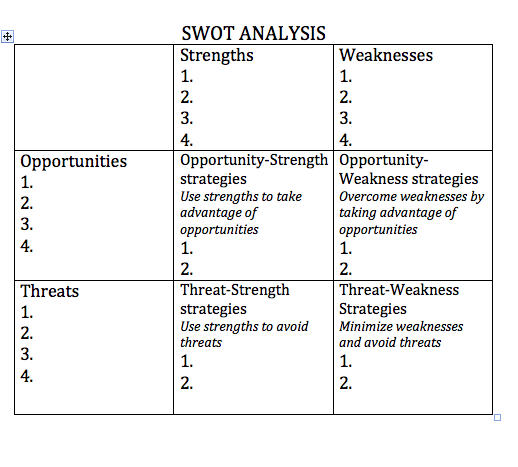
By mapping these four areas, you get a clear, high-level view of where you stand. It helps you make smarter strategic plans by highlighting what you're working with and what you're up against. This isn't about creating exhaustive lists, but about identifying the most significant factors that could impact your success.
Internal vs. External Factors
The four parts of a SWOT analysis fall into two main categories: internal and external factors. This distinction is key.
Internal factors are things you have some control over. They exist within your organization. Your Strengths and Weaknesses belong here.
External factors are things happening outside your business that could affect you. You can't control them, but you can anticipate and respond to them. Opportunities and Threats fit into this category.
Let's break down each component.
Strengths are the positive attributes internal to your business. These are the things you do well. Think about your unique advantages. This could be a strong brand, a loyal customer base, a unique technology, or an efficient process.
Weaknesses are the negative factors that are also within your control. It's important to be honest here. Do you have a weak brand, high debt, an outdated supply chain, or a lack of capital? Acknowledging weaknesses is the first step to improving them.
Opportunities are external factors that your business could use to its advantage. These are chances for growth. You might see an underserved market, favorable new regulations, or a new technology you can adopt. Your competitors' weaknesses could also be your opportunities.
Threats are external factors that could harm your business. These are challenges you need to be prepared for. Examples include a new competitor entering your market, a changing economic environment, negative press coverage, or shifting customer attitudes.
A SWOT analysis is a compass. It helps you understand where you are so you can decide where to go.
Now that you understand the basic components, let's test your knowledge.
What does the acronym SWOT stand for?
Which two components of a SWOT analysis focus on external factors?
Mastering this simple framework gives you a solid foundation for thinking strategically about any business idea.