SWOT Analysis for Business Ideas
Introduction to SWOT Analysis
What Is a SWOT Analysis?
Before launching a new business idea, it's essential to look at it from all angles. A SWOT analysis is a simple but powerful tool that helps you do just that. The name is an acronym for Strengths, Weaknesses, Opportunities, and Threats.
SWOT analysis
noun
A strategic planning technique used to help a person or organization identify strengths, weaknesses, opportunities, and threats related to business competition or project planning.
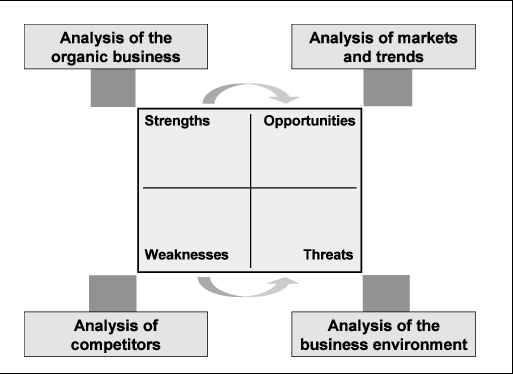
Think of it as a structured list that organizes your thoughts. It's typically laid out in a four-quadrant grid. The top two quadrants, Strengths and Weaknesses, are internal factors. These are things you have some control over, like your team's skills, your company's reputation, or the technology you own.
The bottom two quadrants, Opportunities and Threats, are external factors. These are things happening outside your business that could impact it, such as market trends, new government regulations, or a competitor's latest move. You can't control them, but you can prepare for and react to them.
Why Bother with SWOT?
A SWOT analysis isn't just an academic exercise. It’s a foundational step in building a solid business plan. It forces you to step back and look at the big picture, moving beyond your initial excitement for an idea to a more objective assessment.
By understanding these four aspects, you can make smarter strategic decisions. The goal is to leverage your strengths, shore up your weaknesses, seize opportunities, and guard against threats.
For a new business idea, conducting a SWOT analysis offers several key benefits:
- Clarity and Focus: It cuts through the noise and helps you pinpoint the most critical factors affecting your potential success.
- Strategic Development: It provides the raw material for building your strategy. For example, you can develop a plan to use a key strength to capitalize on a market opportunity.
- Risk Identification: It shines a light on potential roadblocks and challenges before they become major problems, allowing you to plan for them ahead of time.
- Competitive Edge: It helps you understand what makes your idea unique and how you can position yourself against competitors.

Ultimately, a SWOT analysis helps turn a promising idea into a viable plan. It's a snapshot of where you stand and what's on the horizon, giving you the insight needed to navigate the path forward.