SWOT Analysis for Business Ideas
Introduction to SWOT Analysis
What Is a SWOT Analysis?
Before launching a new business or project, it's wise to look before you leap. A SWOT analysis is a simple framework for doing just that. The acronym stands for Strengths, Weaknesses, Opportunities, and Threats.
Think of it as a structured brainstorming session that organizes your thoughts. It helps you take a clear, honest look at where a business idea shines and where it might stumble. The goal is to get a snapshot of both the internal situation and the external landscape.
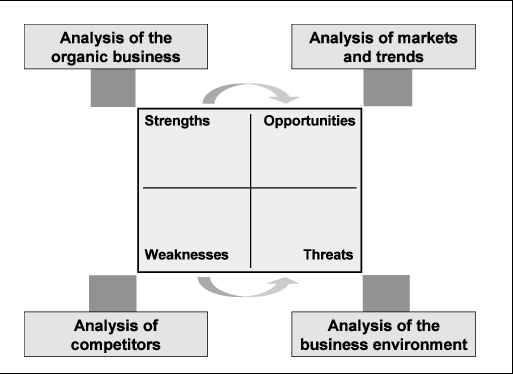
By mapping out these four areas, you can make smarter decisions. It forces you to move beyond gut feelings and look at the venture from multiple angles. This simple exercise can reveal hidden advantages or highlight potential problems before they become serious.
The Four Components
The power of a SWOT analysis comes from its structure, which is typically a four-quadrant grid. The grid is split into two main categories: internal factors and external factors.
Internal factors are things you have some control over. They exist within your organization. These are your Strengths and Weaknesses.
- Strengths are the positive attributes of your company. What do you do exceptionally well? This could be a unique product, a strong brand reputation, a talented team, or efficient processes.
- Weaknesses are the negative internal factors. Where does the business fall short? This might include a lack of capital, an inexperienced team, a poor location, or gaps in your product line.
External factors are things happening outside your business that could impact it. You can't control them, but you can prepare for them. These are your Opportunities and Threats.
- Opportunities are favorable external factors you could use to your advantage. This could be a new market trend, a competitor going out of business, new technology, or changing customer tastes that favor your product.
- Threats are external factors that could harm your business. Examples include new regulations, a downturn in the economy, negative press, or a powerful new competitor entering your market.
The Benefits of a Clear View
Conducting a SWOT analysis offers several key benefits, especially in the early stages of planning. First, it brings clarity. It forces you and your team to step back from day-to-day operations and see the bigger picture.
This process also encourages strategic thinking. Once you’ve identified your strengths, you can look for ways to leverage them to seize opportunities. By understanding your weaknesses, you can build strategies to minimize them or protect yourself from threats.
Finally, it's a versatile tool. You can use it to evaluate an entire company, a specific department, a new product launch, or even your own career path.
A SWOT analysis provides a simple but powerful foundation for building a solid business strategy.
Let's review these four components before we test your knowledge.
Ready to check your understanding?
In a SWOT analysis, which two components are considered internal factors that an organization has some control over?
A company possesses a unique, patented technology that its competitors cannot replicate. In a SWOT analysis, this would be identified as a(n) __________.
By understanding these four areas, you have a solid starting point for assessing the potential of any new venture.