Switzerland Cantons Demographics and Culture
Introduction to Swiss Cantons
The 26 Cantons
Switzerland isn't just one monolithic country; it's a federal republic made up of 26 member states called cantons. Think of them like states in the U.S. or Länder in Germany. They are the primary political divisions of the country, and each one has a unique history and character.
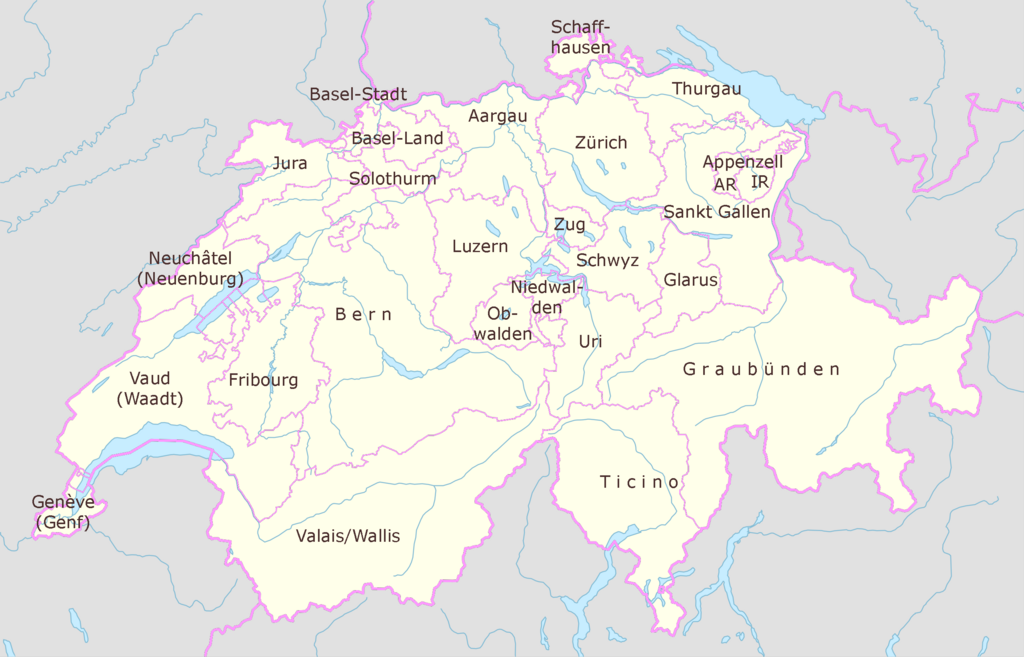
These cantons range from bustling city-states like Geneva and Zurich to vast, mountainous regions like Graubünden and Valais. This structure is fundamental to understanding Swiss identity and politics.
A Patchwork History
The cantons didn't all appear at once. The story of Switzerland begins in 1291 with a defensive alliance between three small, rural regions: Uri, Schwyz, and Unterwalden. These are known as the original cantons. Over the next five centuries, other communities and city-states joined this pact, seeking protection or mutual benefit. The alliance grew piece by piece, like a patchwork quilt.
Switzerland as we know it developed over several centuries, emerging out of a loose alliance of autonomous entities to eventually become a more centralised federal state.
For much of its history, this Old Swiss Confederacy was a loose collection of independent states. It wasn't until 1848, after a brief civil war, that a new federal constitution was adopted. This transformed Switzerland into the modern federal state it is today, balancing a central government with significant cantonal independence.
A Federal System
Swiss federalism gives the cantons a remarkable degree of power. While the federal government in Bern handles national matters like the army, currency, and foreign policy, the cantons retain control over many aspects of daily life. This principle of subsidiarity means that political decisions are made at the lowest possible level, closest to the people they affect.
Each canton has its own constitution, parliament, government, and courts. They have the power to decide on everything from school curriculums and hospital funding to local policing and taxation.
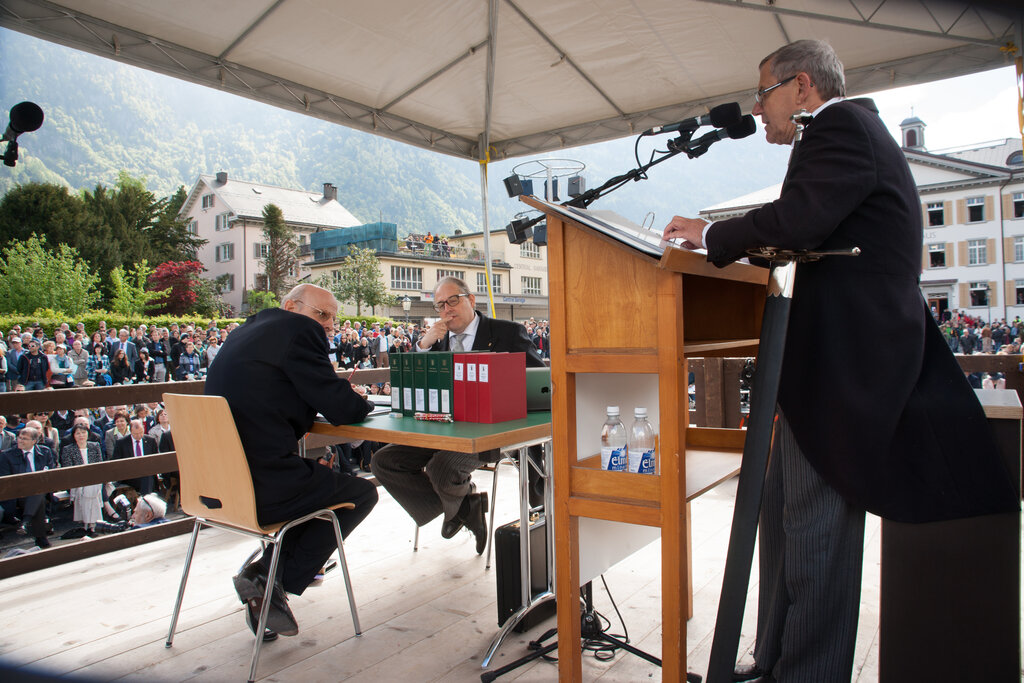
This autonomy explains why Switzerland can feel like many small countries rolled into one. The tax rate in Zug is very different from the rate in Neuchâtel, and the school system in Ticino is not the same as in Vaud. In some cantons like Appenzell Innerrhoden and Glarus, citizens still practice a form of direct democracy called the Landsgemeinde, an open-air assembly where people vote by raising their hands.
A Mosaic of Cultures
The autonomy of the cantons has preserved a rich diversity of languages and cultures. Switzerland has four national languages: German, French, Italian, and Romansh. This isn't just a number; it reflects distinct cultural regions. The linguistic borders often follow the geographical lines of mountains and lakes.
| Language | Approximate Percentage of Population | Primary Cantons |
|---|---|---|
| German | 62% | Zurich, Bern, Lucerne, Aargau, etc. |
| French | 23% | Geneva, Vaud, Neuchâtel, Jura |
| Italian | 8% | Ticino, Graubünden |
| Romansh | <1% | Graubünden |
Driving across Switzerland, you can pass from a German-speaking village to a French-speaking town in a matter of minutes. This linguistic shift also marks a cultural one, with different traditions, foods, and social norms. The canton you are in defines much more than just your address—it shapes your identity.
To better understand the key ideas we've covered, let's review with some flashcards.
Ready to test your knowledge? This quiz will cover the basics of Switzerland's cantonal system.
What are the member states of the Swiss federal republic called?
The modern Swiss federal state, which balanced a central government with cantonal independence, was established with a new constitution in what year?
The Swiss cantons are the building blocks of the nation, each with its own laws, history, and culture, all united within a unique federal system.