Swiss Romandie SME Business Transmissions Market
Swiss SME Landscape
The Backbone of Switzerland
When you think of the Swiss economy, big names like Nestlé, Roche, or UBS might come to mind. But the real engine of the economy is much smaller. Small and medium-sized enterprises, or SMEs, form the vast majority of businesses in the country.
In Switzerland, any company with fewer than 250 employees is considered an SME. They account for over 99% of all businesses and provide two-thirds of the country's jobs.
This isn't just a statistic. It means that the corner bakery, the local engineering firm, and the family-run hotel are the true drivers of Swiss prosperity. They are deeply woven into the fabric of local communities and the national economy.
Small and medium-sized enterprises (SMEs) are often the backbone of economies.
A Diverse Landscape
Swiss SMEs aren't concentrated in just one field. They operate across a wide spectrum of industries, though some sectors are more prominent than others.
| Sector | Description | SME Examples |
|---|---|---|
| Services | The largest sector, covering a wide range of activities. | Financial advisors, IT consultants, tourism operators, restaurants. |
| Industry | Focuses on high-value manufacturing and precision work. | Watch component makers, medical device manufacturers, specialized machinery producers. |
| Agriculture | A smaller but vital sector, often family-owned. | Dairy farms, vineyards, organic food producers. |
The services sector is the dominant force, reflecting Switzerland's modern, highly developed economy. However, the industrial sector is where the country's reputation for quality and precision is forged, often by highly specialized SMEs that are world leaders in their niche markets.
A Tale of Two Regions
Switzerland's cultural and linguistic diversity is also reflected in its business landscape. There are noticeable differences between the German-speaking part of the country and the French-speaking region, known as Romandie.
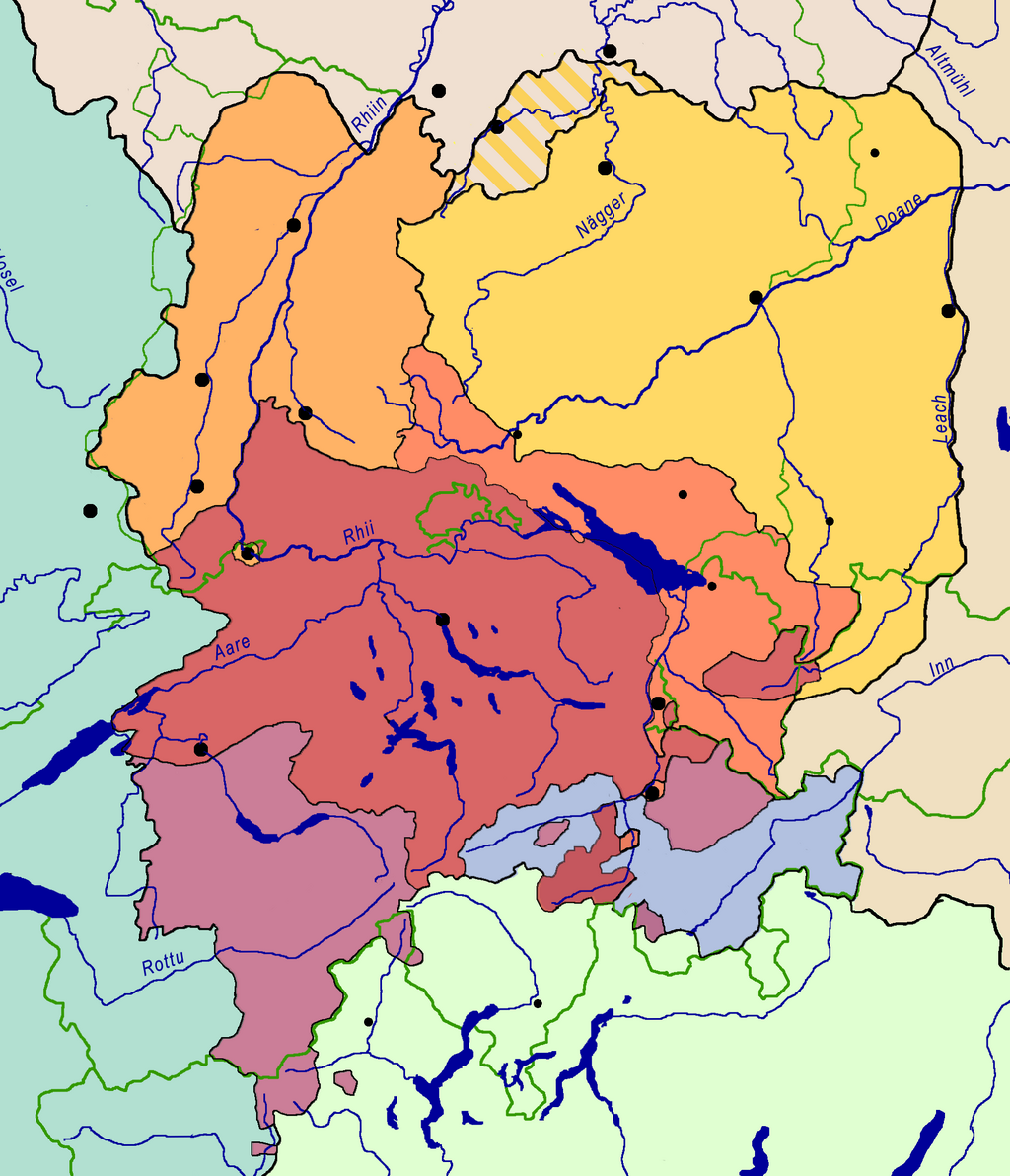
Generally, the German-speaking regions, which include economic powerhouses like Zurich and Zug, have a strong focus on industry, manufacturing, and finance. The business culture is often described as being very structured and formal.
In contrast, Romandie, which includes Geneva and Lausanne, has a vibrant scene for startups, particularly in life sciences, microtechnology, and international trade. The business environment here can feel a bit more relaxed and is heavily influenced by its proximity to France.
Facing the Headwinds
Despite their success, Swiss SMEs operate in a challenging environment. Several key hurdles stand in their way.
High operational costs are a major factor. Switzerland is one of the most expensive countries in the world, which means high salaries, rent, and other overheads.
Finding the right people can also be difficult. There's a persistent shortage of skilled labor in many fields, forcing companies to compete fiercely for top talent. Finally, navigating Switzerland's complex regulatory system can be a burden, especially for smaller companies without large administrative departments.
Yet, Swiss SMEs are known for their remarkable resilience. They adapt by focusing on high-quality, niche products that command premium prices on the global market. Their smaller size often allows them to be more agile and innovative than larger corporations, enabling them to pivot quickly in response to market changes.
What type of enterprise constitutes the vast majority of businesses and is considered the primary driver of the Swiss economy?
True or False: The business culture in the German-speaking part of Switzerland is generally considered more relaxed and informal than in the French-speaking region.
This adaptability is the key to their survival and success, ensuring they remain the strong foundation of the Swiss economy.