Swing Dancing Fundamentals
Introduction to Swing Dance
The Roots of Swing
Swing dance exploded out of African American communities in the 1920s, side-by-side with the new, energetic sounds of swing jazz. It was a time of big bands, led by legends like Duke Ellington and Count Basie. The music was infectious, and people needed a dance that could keep up.
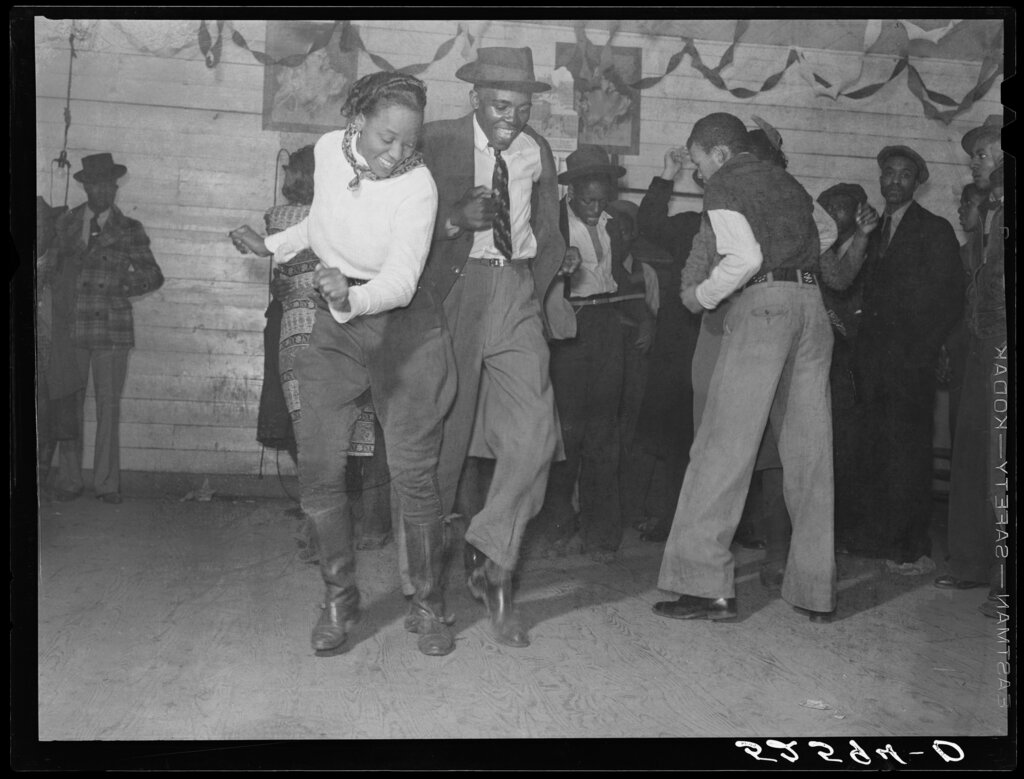
The epicenter of this new dance craze was the Savoy Ballroom in Harlem, New York. Unlike most ballrooms of the era, the Savoy had a non-discrimination policy. Dancers of all races and backgrounds came together, sharing moves and creating new ones on its legendary dance floor. This melting pot of talent is where the most famous swing dance style, the Lindy Hop, was born and perfected.
More Than Just a Dance
For many, swing dance was an escape. During the difficult years of the Great Depression and World War II, it offered a burst of joy and a way to connect with others. The dance's playful, athletic nature was a powerful antidote to the era's hardships. It was a social activity that built communities and lifted spirits.
The Savoy Ballroom's integrated dance floor was revolutionary. It became a powerful symbol of how music and dance can bring people together, breaking down social and racial barriers in a way few other places could.
The cultural impact was huge. Swing dance spread across the United States and then the world, carried by soldiers, movies, and the sheer fun of it. It became a defining feature of the era's youth culture.
A Family of Dances
“Swing dance” isn’t just one dance; it's a whole family of styles. While they all share a common root in swing jazz music and a partnered, rhythmic connection, each has its own unique flavor and feel. Here’s a quick look at some of the most popular styles that emerged during the swing era.
| Style | Key Characteristic |
|---|---|
| Lindy Hop | The original swing dance, known for its athletic “swingout” move and improvisation. |
| Charleston | Can be danced solo or with a partner. Famous for its high-energy kicking steps. |
| Balboa | A more subtle, close-embrace dance ideal for very fast music and crowded dance floors. |
| Collegiate Shag | A high-energy dance with lots of hopping, kicks, and a six-beat rhythm. |
Each of these styles evolved in different regions, shaped by the local music and the dancers who created them. But they all share the same spirit of freedom, rhythm, and joyful connection that defines swing.
Swing dance emerged alongside swing jazz music primarily within which communities during the 1920s?
What was a key feature of the Savoy Ballroom that made it a crucial location for the development of swing dance?
Understanding where swing came from gives a deeper meaning to every step. Now you know the history, from the ballrooms of Harlem to its global spread.