Swift Banking System Explained
Introduction to SWIFT
The Language of Global Finance
How does a bank in Tokyo send money to a bank in New York? They can't just put cash on a plane. The process involves sending secure instructions, and for decades, the world's financial institutions have relied on a single network to do this: SWIFT.
SWIFT stands for the Society for Worldwide Interbank Financial Telecommunication. It’s a vast messaging network that allows banks and other financial institutions to send and receive information about financial transactions in a secure, standardized, and reliable environment.
Crucially, SWIFT doesn't actually hold or transfer funds. It's not a bank. Think of it as a specialized, ultra-secure postal service for the financial world. It carries the payment orders, but not the money itself.
A System Born from Necessity
Before the 1970s, international financial messaging was a messy affair. The primary method was a system called Telex. It was essentially a networked teleprinter service, similar to a fax machine.
Telex had major drawbacks. It was slow and lacked a common set of codes for transactions. Each message had to be written out in long form by a person, leading to potential human error and confusion. Security was also a significant concern. There was a clear need for a faster, more accurate, and safer alternative.
In 1973, 239 banks from 15 countries came together to solve this problem. They formed SWIFT in Brussels, Belgium, with a mission to create a shared, standardized system for global financial messaging.
A Global Cooperative
One of the most unique aspects of SWIFT is its structure. It’s not a private company run for profit. Instead, it’s a cooperative society, owned and controlled by its member financial institutions.
This means the very banks and organizations that use the network are also its owners. This structure ensures that SWIFT remains neutral and acts in the collective interest of the global financial community. Today, its membership includes over 11,000 institutions in more than 200 countries and territories, making it the backbone of international finance.
To ensure stability and oversight, SWIFT is overseen by the G-10 central banks, including the U.S. Federal Reserve and the European Central Bank.
The Role of the Messenger
SWIFT’s core function is to provide a standardized language and a secure channel for communication. When a bank sends a payment instruction via SWIFT, it uses a specific message format. This standardization eliminates ambiguity and ensures that a message sent from a bank in Brazil is perfectly understood by a bank in Germany.
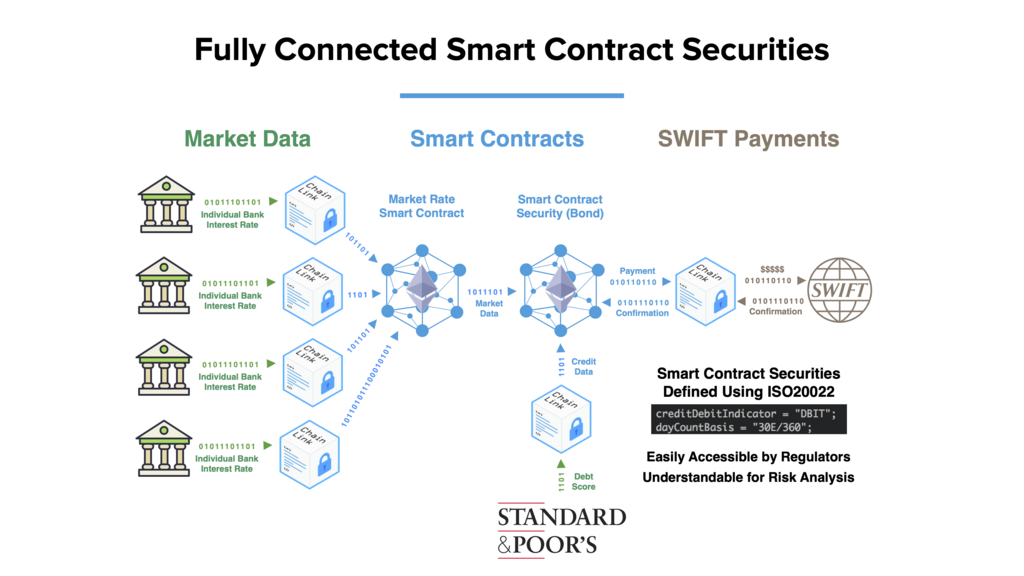
By providing this reliable and secure messaging platform, SWIFT enables the smooth operation of global trade, foreign exchange, and international investments. It ensures that trillions of dollars in transactions can be initiated every day with confidence and clarity.
What does the acronym SWIFT stand for?
What is the primary function of the SWIFT network?
This system of standardized, secure messaging forms the foundation of nearly all international financial activity.