Swedish Pension System Deep Dive
Introduction to Pensions
Planning for Later
A pension is a simple idea: it's a fund you or your employer contribute to during your working years, which then provides you with an income when you retire. Think of it as saving up for your future self. Instead of working forever, you can rely on this income to cover your living expenses.
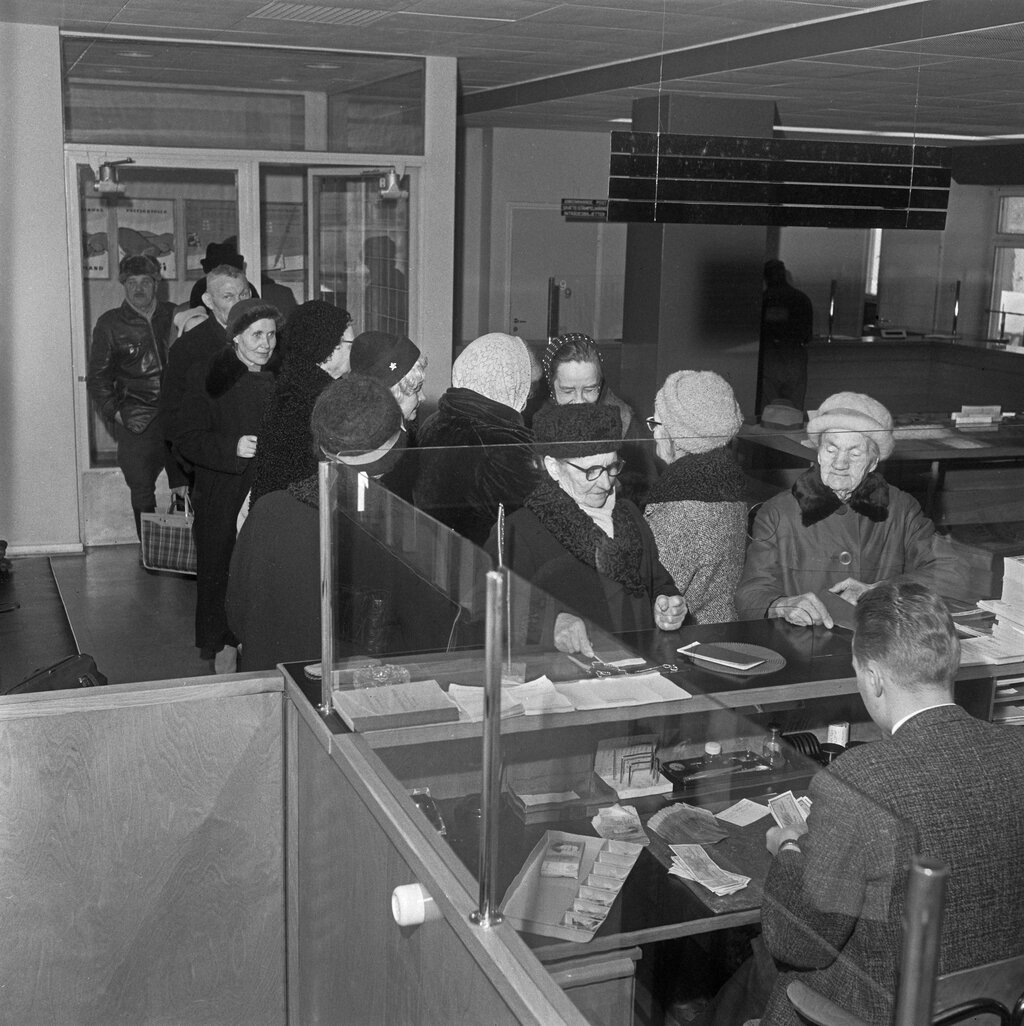
While the goal is always the same—financial security in retirement—pension plans aren't all built the same way. They differ in two key areas: how your final payout is calculated and how the money is managed. Let's break down the main types.
How Your Payout is Calculated
When it comes to your retirement income, plans typically fall into one of two categories. The first is called a defined benefit plan.
In a defined benefit plan, your future pension is a specific, predictable amount. The payout is guaranteed.
This amount is usually calculated with a formula that considers factors like your final salary and the number of years you worked for the company. With this type of plan, your employer is responsible for making sure there's enough money to pay you what you're owed. The financial risk is on them. These are often called traditional pension plans.
The other common type is a defined contribution plan. The name gives it away: the amount contributed to the plan is what's defined and known, not the final payout.
In a defined contribution plan, you and often your employer contribute a set amount, but the final retirement income is unknown.
This money is invested in stocks, bonds, or other assets. Your retirement income depends entirely on how much was contributed and how well those investments performed over time. With this plan, you bear the investment risk. If the market does well, you could have a large nest egg. If it performs poorly, your retirement fund could be smaller than you hoped.
| Feature | Defined Benefit | Defined Contribution |
|---|---|---|
| Payout | A predictable, guaranteed amount | Varies based on investment performance |
| Who Bears Risk | Employer | Employee |
| Key Factor | Salary and years of service | Contribution amounts and market returns |
Where the Money Comes From
Pension systems also differ in how they're funded. One method is called pay-as-you-go (PAYG). This is how many state pension systems, like Social Security in the U.S., operate. The contributions from today's workers are used to directly pay the benefits of current retirees. There isn't a large fund of money sitting and growing; it's more like a direct transfer between generations.
Pension systems constitute a foundational instrument of social protection, ensuring economic security and quality of life for individuals as they transition out of the workforce due to age or other reasons.
The alternative is a funded pension scheme. In this model, your contributions (and your employer's) are put into a large pool of money that is invested and grows over decades. The goal is for this fund to become large enough to pay for your own retirement benefits in the future. Defined contribution plans are always funded, and some defined benefit plans are as well.
Understanding these basic building blocks—defined benefit versus defined contribution, and pay-as-you-go versus funded—is the first step to making sense of any pension system.
In a defined benefit pension plan, who primarily bears the investment risk?
What is the key determinant of your final retirement income from a defined contribution plan?