Swedish Language Essentials
Introduction to Swedish
A Scandinavian Sibling
Swedish is a North Germanic language, which places it in the same family as Danish, Norwegian, Icelandic, and Faroese. Think of Swedish, Danish, and Norwegian as close siblings. They grew from the same root, Old Norse, and are still very similar today.
If you speak one, you can often understand the others, especially in writing. A Swede reading a Norwegian newspaper might only stumble over a few words. It's a bit like the relationship between Spanish and Portuguese. The spoken languages can be trickier because of different pronunciation and accents, but the underlying structure is largely the same.
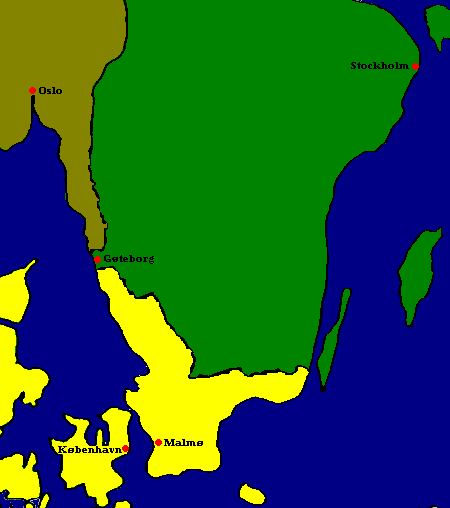
Swedish is the official language of Sweden and is spoken by about 10 million people. It's also one of the two national languages of Finland, alongside Finnish. A significant minority of Finns, known as Finland Swedes, speak Swedish as their first language, particularly in coastal areas and on the Åland Islands, an autonomous region where Swedish is the sole official language.
The Alphabet and Its Sounds
The Swedish alphabet is the same as the English one, but with three extra letters at the end: Å, Ä, and Ö. These aren't just A's and O's with decorations; they are distinct letters with their own unique sounds.
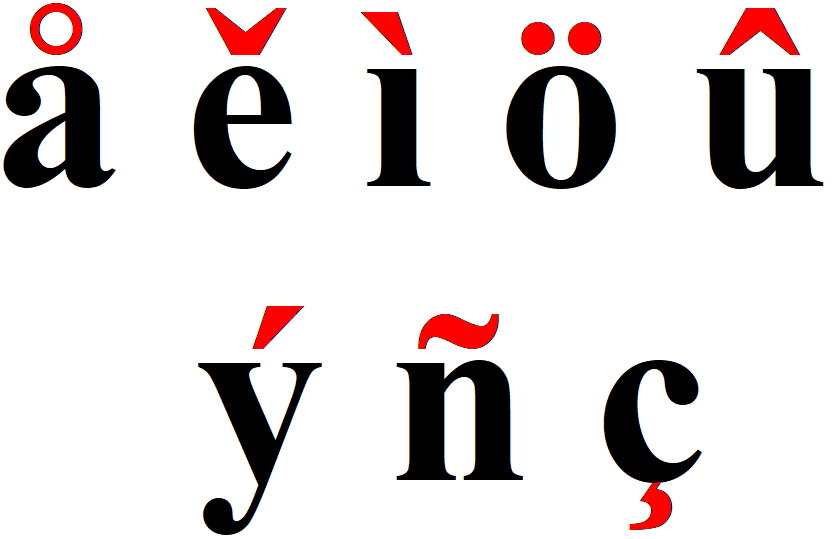
Let's look at how to pronounce these unique vowels.
This sounds like the 'o' in 'for' or 'more'.
This sounds like the 'e' in 'bed' or the 'a' in 'care'.
This is similar to the 'i' in 'bird' or 'fir'. To make this sound, shape your lips as if you're saying 'ooh' but try to say 'ee' instead.
Besides these letters, Swedish has some vowel sounds that can be tricky. It distinguishes between long and short vowels, and the length can change a word's meaning entirely. For example, mat with a long 'a' means 'food', while matt with a short 'a' means 'dull' or 'faint'.
Swedish also has a pitch accent, which gives it a 'singing' quality. There are two main patterns, and using the wrong one can sometimes change the meaning of a word, though context usually makes things clear.
Example: The word 'anden' can mean 'the duck' or 'the spirit', depending on which pitch pattern is used.
Ready to review these core concepts?
Now, let's test your knowledge.
To which language family does Swedish belong?
Besides Sweden, where is Swedish an official national language?
Getting a feel for these basic building blocks is the first step. You're now familiar with where Swedish fits in the world of languages and the unique sounds that give it its character.