Sweat Equity Investing Essentials
Introduction to Sweat Equity
More Than Money
Starting a new business often feels like a race to find cash. You need money for rent, for supplies, for marketing. But what if you could pay for crucial help with something other than dollars? This is where sweat equity comes in.
Sweat Equity
noun
Ownership in a company that is earned by contributing labor, skills, or effort instead of a financial investment.
At its core, sweat equity is a trade. Instead of writing a check, a person contributes their time and talent. In return, they get a piece of the company, usually in the form of stock or ownership percentage. For a new company with big ideas but a small bank account, this is a game-changer. It allows founders to build a team and get essential services without draining their limited cash reserves.
The key benefit of sweat equity is alignment. When people own a piece of the business, they're not just employees or contractors; they're partners. Their success is tied directly to the company's success.
This creates a powerful incentive. A graphic designer working for sweat equity is motivated to create a logo that truly stands out. A lawyer providing services for a stake in the company will work hard to ensure all the contracts are solid. Everyone is pulling in the same direction.
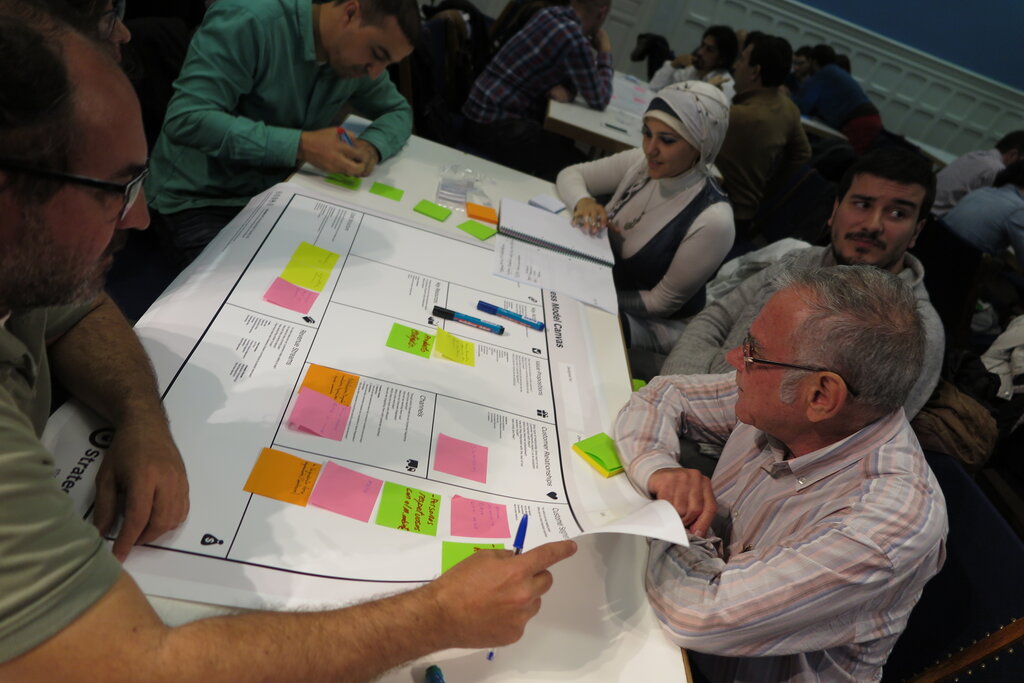
Who Contributes Sweat Equity
Sweat equity isn't just for the original founders. Several types of people can contribute their skills in exchange for a stake in the venture.
Founders: This is the most common form. When two or more people start a company, they often divide ownership based on the work they expect to put in. One might be the visionary and salesperson, while the other is the technical genius who builds the product. Their combined effort, their sweat, forms the company's foundation.
Early Employees: A startup might not be able to afford the high salaries that experienced professionals command. To attract top talent, they can offer a smaller salary supplemented with stock options. This gives employees a chance to share in the company's future growth. It’s a bet on the company’s potential.
Advisors and Consultants: Sometimes a startup needs specialized expertise for a short period. An experienced executive might agree to advise the founders for a few hours a month in exchange for a small percentage of equity. This gives the startup access to invaluable guidance they couldn't otherwise afford.
Service Providers: A law firm might defer its fees in exchange for equity. A marketing agency might run a campaign for a stake in the business. This is less common, but it can be a powerful way for a startup to get professional services from day one.
There’s also ‘sweat equity,’ where volunteering at early stages is recorded so it can be paid back later, when the business becomes profitable.
Sweat Equity in Action
Let's look at a couple of simple examples.
Imagine a chef and a business manager want to open a new restaurant. The chef has incredible recipes but no money. The business manager has a small amount of savings but can't cook. They agree to be 50/50 partners. The manager's savings provide the initial cash, while the chef's culinary skills and hard work in the kitchen represent her sweat equity. Both are essential for success.

Or consider a tech startup. A founder has an idea for a mobile app but doesn't know how to code. She partners with a software developer who agrees to build the app in exchange for 40% of the company. The founder focuses on marketing and raising money, while the developer writes the code. The developer isn't paid a salary at first; her payment is her ownership stake.
In both cases, the business is built on a combination of cash and crucial, skilled labor. Sweat equity makes it possible to create something valuable when money is tight.
Now, let's test your understanding of these concepts.
What is the core concept of sweat equity?
What is the primary advantage of using sweat equity for a new business with limited funds?
Sweat equity is a fundamental tool for building a business from the ground up, turning talent and hard work into tangible ownership.