Sveriges Idéhistoria
Ancient Influences
Ancient Connections
Long before the Viking Age, Scandinavia was connected to the wider world through a complex web of trade routes. These ancient highways weren't just for moving amber and furs south in exchange for wine and salt. They were conduits for ideas, technologies, and cultural styles that flowed across continents, linking the distant north with the powerful civilizations of the south.
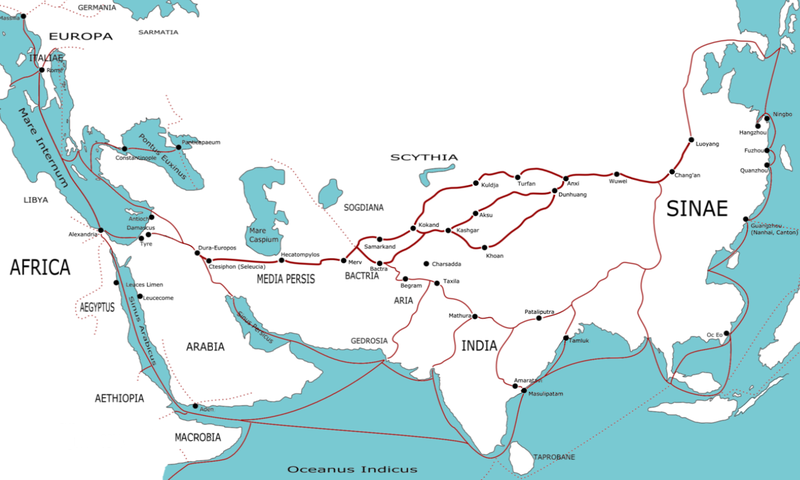
Among the most significant of these distant connections was the one with Persia. Though separated by thousands of miles, the influence of Persian empires, particularly the Sasanian Empire (224–651 CE), reached the shores of the Baltic Sea. This exchange wasn't about conquest, but about the slow, steady trickle of valuable goods and the advanced knowledge required to create them.
Persian Craftsmanship in the North
One of the clearest areas of Persian influence was in metallurgy. Persian artisans were masters of working with silver, creating intricate bowls, vessels, and ornaments that were highly prized across Eurasia. Their techniques and decorative motifs, such as stylized animals and geometric patterns, began to appear in Nordic metalwork. Local chieftains and wealthy individuals desired these exotic luxury goods as symbols of status and power.
This influence wasn't just imitation. Nordic craftspeople adapted these foreign styles, blending them with their own traditions to create unique hybrid designs. This process shows a sophisticated engagement with outside cultures, not just a passive reception of goods.
Evidence in the Earth
How do we know this exchange happened? The proof lies in the archaeological record. Hoards of treasure and grave sites across Sweden have yielded remarkable artifacts from distant lands. Among the most common finds are Sasanian silver coins, which were valued not for their currency but for their high-quality silver content. They were often melted down to make local jewelry or used as status symbols.
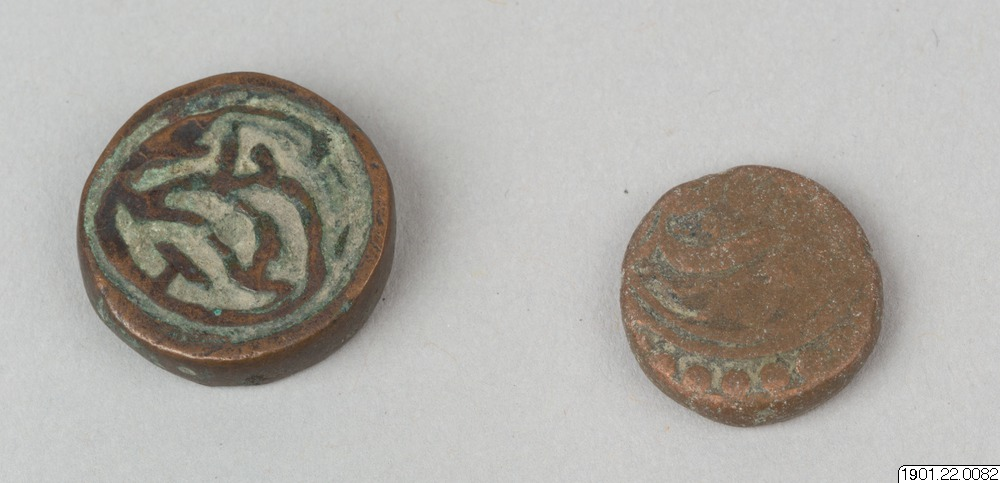
Beyond coins, archaeologists have discovered fragments of Persian glassware, beads, and even textiles in Scandinavian burials. Each artifact is a tangible link, a piece of a puzzle that shows how interconnected the ancient world was. These objects demonstrate that early Swedes were not isolated but were active participants in a global network of trade and cultural exchange. They valued the craftsmanship and prestige of Persian goods, and in doing so, absorbed new ideas that would subtly shape their own developing culture.
What was the primary nature of the relationship between ancient Scandinavia and the Sasanian (Persian) Empire?
According to the archaeological record, which craft in Scandinavia was most directly influenced by Persian artisans?
These early connections laid a foundation for the more extensive interactions that would define the Viking Age, proving that the roots of Swedish history reach far beyond the borders of Scandinavia.