Sustaining the Blue Economy Explained
Introduction to the Blue Economy
The Ocean's Economy
Our oceans are more than just vast bodies of water; they are powerful engines of economic growth. The term "Blue Economy" refers to the sustainable use of ocean resources to foster economic development, improve livelihoods, and create jobs while preserving the health of marine ecosystems.
Think of it as a framework for managing our relationship with the ocean. It’s not simply about extracting resources. It’s about recognizing that a healthy ocean is a productive ocean. This means finding a balance where economic activities can thrive without depleting natural capital or damaging the environment.
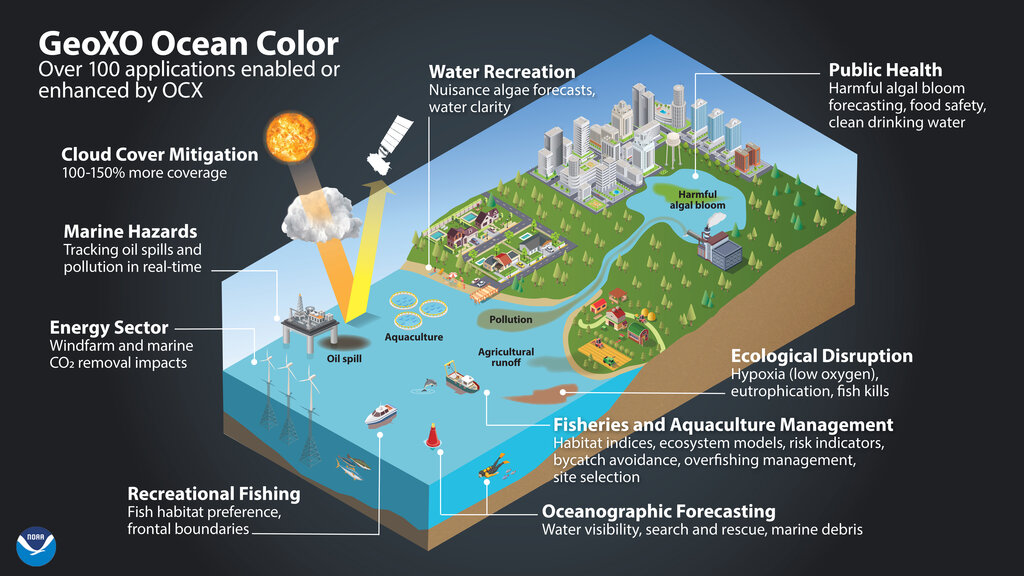
The scope is immense. It includes established industries like fishing and shipping, but also emerging sectors such as marine biotechnology and offshore renewable energy. It covers everything from coastal tourism that depends on pristine beaches to the development of new medicines from deep-sea organisms. The core idea is to see the ocean not just as a space for industry, but as a complex system that supports life and commerce.
The Blue Economy links economic prosperity directly to the well-being of our marine environments.
Pillars of the Blue Economy
Several key sectors form the foundation of the Blue Economy. Each plays a distinct role in harnessing the ocean's potential.
Fisheries and Aquaculture: This is one of the oldest ocean industries. It provides food and livelihoods for billions of people. The Blue Economy approach emphasizes sustainable fishing practices and responsible aquaculture to ensure fish stocks remain healthy for future generations.
Tourism: Coastal and marine tourism, from beach holidays to whale watching and scuba diving, is a massive part of the global economy. Its success depends entirely on clean seas, healthy coral reefs, and vibrant marine life.
Renewable Energy: The ocean is a powerhouse of clean energy. Offshore wind farms, tidal barrages, and wave energy converters are becoming increasingly important as we shift away from fossil fuels.
Maritime Transport: Over 80% of global trade by volume is carried by sea. Shipping is the backbone of the world economy, connecting producers and consumers across continents. A blue approach focuses on making transport more efficient and reducing its environmental footprint.
| Sector | Primary Economic Activity |
|---|---|
| Fisheries & Aquaculture | Food production and trade |
| Marine Tourism | Recreation and hospitality |
| Renewable Energy | Electricity generation |
| Maritime Transport | Global trade and logistics |
A Trillion-Dollar Resource
The economic value of our oceans is staggering. Globally, ocean-based industries generate trillions of dollars in value each year and provide hundreds of millions of jobs. The OECD has estimated the ocean economy's annual output at around $1.5 trillion, a figure expected to double by 2030.
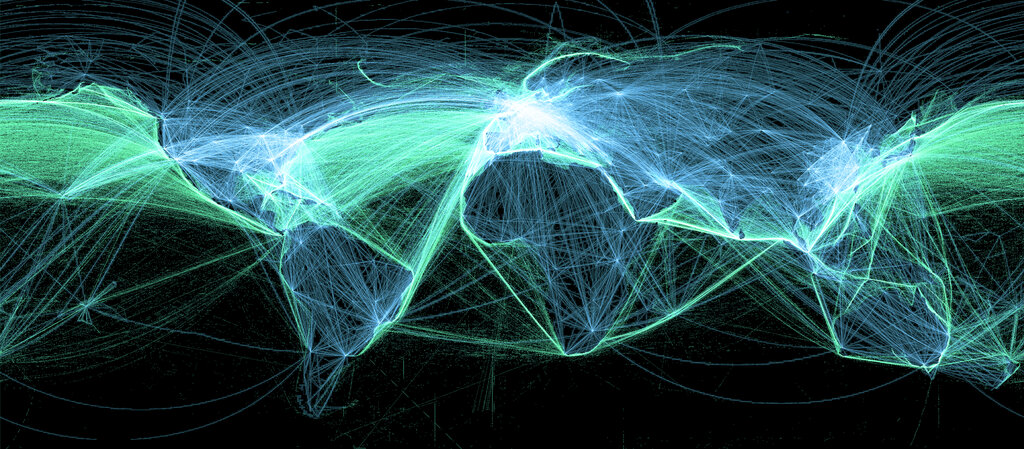
This value isn't just about direct output. It also includes the invaluable services that marine ecosystems provide, such as climate regulation, waste absorption, and coastal protection. These are often called "ecosystem services," and they underpin much of our global economic stability.
Recognizing this immense value is the first step. The Blue Economy offers a path to harness it wisely, ensuring that our oceans can continue to support both people and the planet for centuries to come.
What is the central principle of the 'Blue Economy'?
Which of these is considered an emerging sector within the Blue Economy, as opposed to a traditional one?